What Are Tocopherols in Dog Food? A Simple Guide
If you’ve ever turned over a bag of high-quality kibble to read the ingredient list, you’ve likely seen the term “Mixed Tocopherols” tucked away near the bottom. As pet owners and pet food manufacturers place greater emphasis on natural ingredients and clean labels, tocopherols have become a familiar ingredient in dog food formulations.
At Green Agri, we believe that transparency in pet nutrition is crucial. In this guide, we’ll break down exactly what tocopherols are, why they are essential, and how to evaluate them from both a nutritional and formulation perspective.
What Exactly Are Tocopherols?
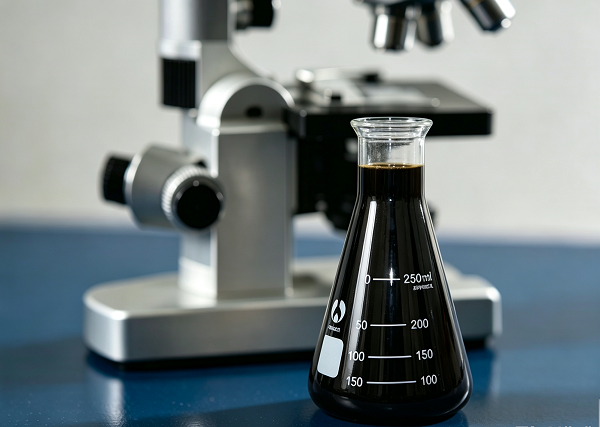
Tocopherols are a group of naturally occurring compounds that belong to the vitamin E family. They are fat-soluble antioxidants found primarily in vegetable oils such as soybean, sunflower, corn, and rapeseed oil.
There are four primary types of tocopherols: α-tocopherol, β-tocopherol, γ-tocopherol, δ-tocopherol. Each has a slightly different molecular structure and function. While alpha-tocopherol is the most biologically active form for the body to use as a vitamin, the gamma and delta versions are often superior when it comes to acting as a preservative. Each type has slightly different antioxidant properties. In pet food applications, tocopherols are often used in mixed form, combining several types to achieve broader oxidative protection.
Why Are Tocopherols Added to Dog Food?
Dog food, especially dry dog food, contains a lot of fat and oil. These fats are essential for providing your dog with energy, supporting brain function, and keeping their coat shiny. However, fat is chemically unstable. Tocopherols are added primarily to:
- Preserve fats and oils from oxidation
- Maintain nutritional value during storage
- Prevent unpleasant odors and flavors
- Support product shelf life
In addition to preservation, tocopherols contribute to a dog’s vitamin E intake, which supports immune function, skin and coat health, and normal muscle function.
How Tocopherols Help Prevent Fat Oxidation and Rancidity?
To understand the mechanism by which tocopherols prevent fat oxidation and rancidity, we first need to understand the process of fat oxidation. When fats are exposed to oxygen, heat, or light, a chemical reaction occurs, producing “free radicals.” These free radicals steal electrons from other molecules, ultimately leading to rancidity of fatty acids.
Tocopherol works by sacrificing itself, donating electrons to free radicals to neutralize them before they can damage fat molecules. By preventing this chain reaction, tocopherol can prevent fat putrefaction and oxidation. This ensures that the Omega-3 and Omega-6 fatty acids in your dog’s diet stay intact and beneficial.
Why Use Mixed Tocopherols in Dog Food?
Although all tocopherols are forms of vitamin E, each type has a different primary function. Alpha-tocopherol is mainly used for nutritional fortification in dog food, while gamma-tocopherol and delta-tocopherol are primarily used as antioxidants and preservatives. Therefore, dog food formulations generally use mixed tocopherols to maximize the preservation of the food within its shelf life while also meeting the canine’s vitamin E requirements.
Tocopherols vs. Synthetic Preservatives
Traditionally, the pet food industry has relied on synthetic preservatives such as BHA (Butylated Hydroxyanisole), BHT (Butylated Hydroxytoluene), and Ethoxyquin. While these ingredients are effective and inexpensive, they no longer meet the growing demand from pet owners who prefer natural ingredients. In contrast, tocopherol offers several advantages:
- Naturally derived from plant oils
- Clean-label and consumer-friendly
- Widely accepted by premium and holistic brands
- Approved for use in pet food applications
At the same time, tocopherols are usually used in combination with other natural antioxidants such as rosemary extract in dog food formulations.
Are Tocopherols Safe for Long-Term Canine Consumption?
Yes. In fact, tocopherol is not only “safe,” but also beneficial. They are approved by regulatory bodies and recognized by AAFCO as acceptable ingredients in pet food. Dogs can naturally metabolize tocopherols, so using them within the dosage range specified in commercial pet food does not cause toxic accumulation.
How to Identify Tocopherols on a Dog Food Ingredient Label?
When browsing dog food packaging labels, you’ll usually find tocopherols at the end of the ingredient list because they are used in very small quantities. The following wording generally indicates that the manufacturer has added the natural preservative tocopherols: “Mixed Tocopherols (a source of Vitamin E)” “Natural Mixed Tocopherols” “Preserved with Mixed Tocopherols”
Add Green Agri Tocopherols to Your Dog Food Production Line
If you’re a dog food manufacturer, choosing the right antioxidant requires striking a balance between scientific rigor, safety, and consumer preferences. Green Agri is a botanical pet food ingredients manufacturer, specializing in plant-derived tocopherols formulated specifically for the pet food industry. Ready to choose reliable tocopherols for your dog food product line? Contact us today!
Also See
Several Common Natural Antibiotics for Cats
Rosemary Extract Liquid vs. Powder: Uses in Pet Food
Turmeric Powder in Pet Food: A Natural Ingredient to Consider
Bilberry Powder for Premium and Functional Pet Diets
How to Select Inulin for Pet Food Formula?
Reference
https://www.aafco.org/consumers/understanding-pet-food/ingredient-standards/
https://pubmed.ncbi.nlm.nih.gov/3542757/