Spearmint Extract: Formulation Advantages for Pet Products
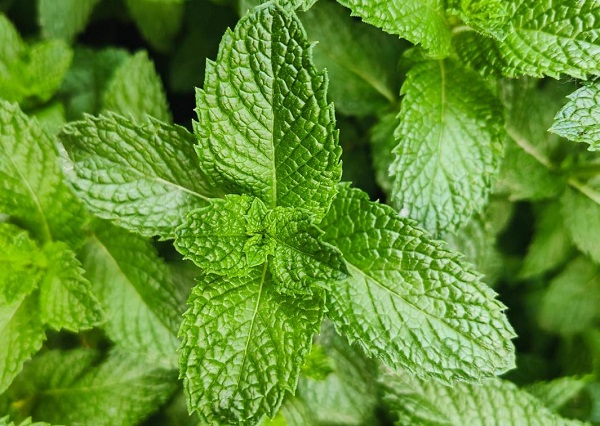
Spearmint extract, derived from Mentha spicata, is widely known for its refreshing aroma and natural bioactive compounds. It also offers numerous functional and sensory advantages in pet food and treat formulations. In this article, we will explore why spearmint extract is becoming an essential ingredient in premium pet product formulations.
What Is Spearmint Extract?
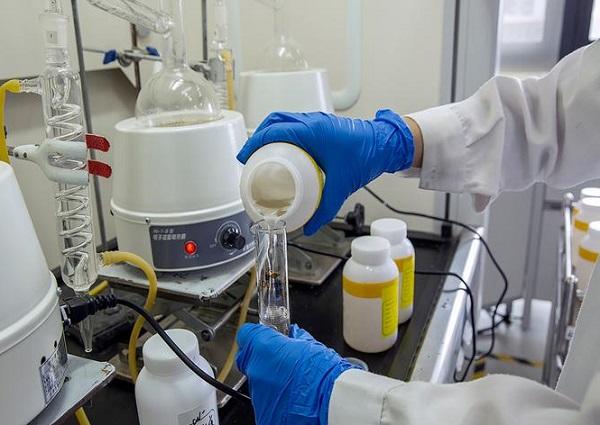
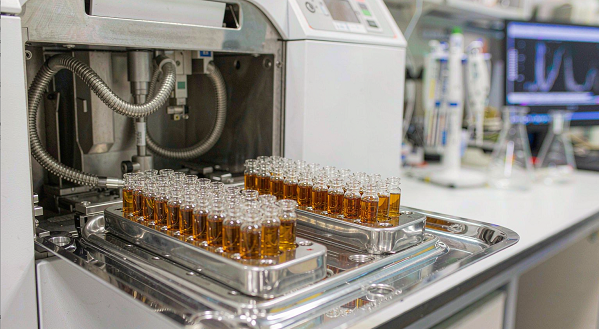
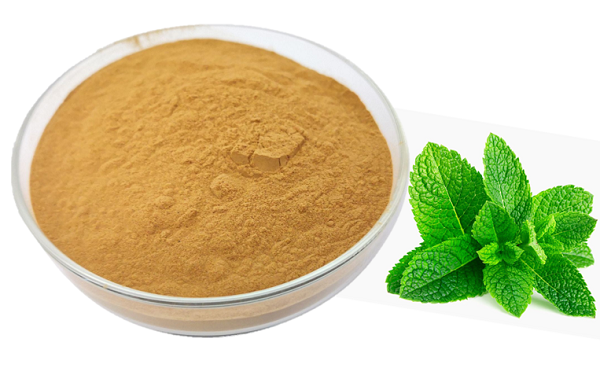
Spearmint extract is extracted from the leaves of the spearmint plant. Extraction methods include water extraction and ethanol extraction, depending on the intended use. Spearmint extract which commonly used in pet food is extracted with water. This extract is usually standardized to ensure that the content of active ingredients meets specific standards and can be made into liquid or powder form.
Key Active Compounds in Spearmint Extract
Spearmint extract contains several naturally occurring phytochemicals that contribute to its functional properties. Carvone serves as one of the primary compounds, gives spearmint its characteristic aroma, and widely supports breath-freshening functions. Another important component is rosmarinic acid, a phenolic compound known for its antioxidant potential.
For pet formulation, unlike peppermint, spearmint contains very little to no menthol, menthol can be overpowering or even aversive to some animals.
How Does Spearmint Extract Support Pet Oral Care?
Oral health is a crucial concern in pet care, especially for dogs and cats prone to plaque buildup and bad breath. Spearmint extract, with its refreshing aroma and oral hygiene benefits, is frequently used in dental treats and oral care formulations.
In pet products, spearmint extract is often combined with chewable materials or other functional oral care ingredients. This combination helps enhance the overall sensory experience while meeting the needs of pet owners who want to maintain their pets’ oral health through daily treats.
Can Spearmint Extract Improve Pet Palatability?
Even highly functional products must be appealing to ensure consistent consumption. Because spearmint lacks the cooling, spicy “bite” of menthol, it is generally better tolerated by the sensitive palates of dogs and cats. It adds a fresh, herbaceous note that can brighten the flavor profile of protein-heavy recipes. In sensory testing, spearmint often ranks high for its ability to provide a clean finish, making the product more appealing to the pet and more pleasant-smelling for the owner.
Functional Applications in Pet Treat Formulations
The versatility of spearmint extract allows it to be integrated into various formats:
- Extruded Treats: Adds heat-stable flavor.
- Soft Chews: Acts as a functional aromatic that complements calming or digestive actives.
- Dental Sticks: The primary driver for freshness and breath-freshening marketing claims. Its low inclusion rate makes it a cost-effective way to add a premium “botanical” claim to any treat line.
Spearmint Extract: Stability and Processing Advantages
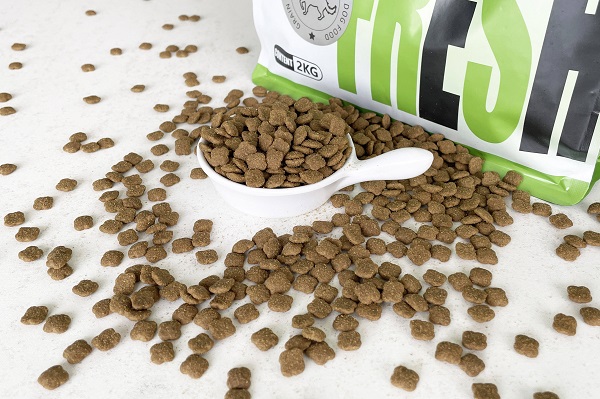
Pet food production often faces the problem of natural ingredients degrading during high-temperature processing, such as extrusion or high-temperature and high-pressure sterilization.
Spearmint extract, particularly when standardized for its phenolic content, demonstrates excellent stability. It maintains its aromatic integrity better than many citrus-based extracts and provides a natural antioxidant boost that can help protect the lipids in the pet food from oxidation, potentially extending shelf life.
Is Spearmint Extract Suitable for Different Pet Species?
Spearmint extract is widely considered safe for dogs and cats when supplemented at appropriate doses. While cats are highly sensitive to certain essential oils because their livers cannot metabolize phenolic compounds, high-quality water-soluble or diluted spearmint extract is a safer option for cats as a breath freshener or digestive aid compared to peppermint oil with high menthol content.
Spearmint extract can also be used for other companion animals if formulated and dosed correctly. Because different animals have varying taste preferences, metabolic characteristics, and dietary sensitivities, it is crucial to tailor the formulation to the specific species.
Compatibility with Other Functional Ingredients
Spearmint extract integrates easily with a variety of pet nutritional and functional ingredients. Manufacturers often combine it with dental care ingredients, plant extracts, probiotics, and nutritional supplements to create multi-functional pet treats.
- Green Tea Extract: For enhanced oral antioxidant support.
- Parsley and Chlorophyll: Approach to breath care.
- Probiotics: It can mask the earthy scent of certain microbial strains without inhibiting their efficacy.
Partner With Green Agri
Choose a reliable ingredient supplier is essential for maintaining your product quality and consistency. Green Agri is a botanical pet food ingredients manufacturer. Our spearmint extract is manufactured under strict quality control standards and can be customized to meet various formulation requirements.
We can provide documents such as COA, specification sheet, SDS, and flowchart. And we have 2000KG of stock to support your urgent orders. If you are looking for a spearmint extract manufacturer, Green Agri is a reliable option. Contact us today!
Reference
Lawrence BM. Mint: The Genus Mentha. Boca Raton (FL): CRC Press; 2007.
Singh R, Shushni MAM, Belkheir A. Antibacterial and antioxidant activities of Mentha spicata L. essential oil. J Saudi Chem Soc. 2015;19(4):322-328.
Hashemi SR, Davoodi H. Herbal plants and their derivatives as growth and health promoters in animal nutrition. Vet Res Commun. 2011;35(3):169-180.
Windisch W, Schedle K, Plitzner C, Kroismayr A. Use of phytogenic products as feed additives for animal nutrition. J Anim Sci. 2008;86(14_suppl):E140-E148.
Greathead H. Plants and plant extracts for improving animal productivity. Proc Nutr Soc. 2003;62(2):279-290.