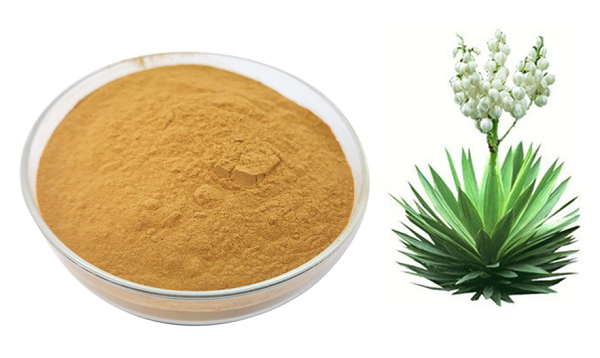
Yucca Saponins: The Dual Action in Animal Feed
Yucca saponins, derived from the desert plant Yucca schidigera, are gaining significant attention in the animal nutrition industry as a natural feed additive with multiple benefits. With the increasing search for plant-based and sustainable synthetic additive alternatives, yucca saponins have emerged as a valuable solution. Their dual effects—enhancing animal production performance and improving the farm environment—make them an essential component of modern feed formulation.
Natural Origin and Extraction of Yucca Saponins
Yucca saponins originate from Yucca schidigera. The plant contains high concentrations of steroidal saponins, which serve as the primary functional compounds used in animal nutrition.
Green Agri typically uses water extraction to extract saponins from the stems and trunks of yucca. The dried yucca is pulverized and then extracted with hot water, followed by filtration, concentration, and drying to obtain a powdered yucca extract with the specified concentration.
Dual Action in Animal Nutrition
Yucca schidigera saponins demonstrate a unique dual action that benefits both animals and their rearing environments.
1. Yucca saponins support digestive function and nutrient absorption within the animal.
2. Yucca saponins help reduce harmful gas emissions, particularly ammonia, in animal housing systems.
This dual function allows yucca saponins to improve overall production efficiency while promoting a healthier farming environment. This makes it a versatile additive suitable for a variety of animals.
Ammonia Reduction and Environmental Improvement
One of the most recognized benefits of yucca saponins is their ability to reduce ammonia emissions in animal production systems. Excess ammonia can negatively affect animal respiratory health, worker safety, and overall farm environment.
Yucca saponins tackle this problem through two primary pathways. First, they contain macromolecular compounds that directly bind ammonia, preventing it from volatilizing into the air.Second, Yucca inhibits the activity of the urease enzyme, which is responsible for breaking down urea into ammonia in waste. By slowing this conversion, Yucca significantly improves air quality in barns and poultry houses, leading to reduced incidence of respiratory infections and footpad dermatitis.
Enhancing Nutrient Utilization and Feed Efficiency
Yucca saponins also play an important role in improving nutrient utilization. Their surfactant-like properties help increase the permeability of intestinal cell membranes, thereby enhancing nutrient absorption. Furthermore, yucca saponins can improve the emulsification of dietary fats, promoting digestion and energy utilization.
Improved nutrient absorption allows animals to extract more value from feed ingredients, thus improving feed conversion ratios and animal growth performance.
Supporting Gut Health and Microbial Balance
The gut is the center of an animal’s immune system. Yucca saponins possess unique antiprotozoan and antimicrobial properties.
Saponins have a high affinity for cholesterol, a key component of the cell membranes of many protozoa and certain fungi. By binding to cholesterol in these cell walls, saponins increase cell membrane permeability, ultimately neutralizing pathogens. This selective action helps suppress harmful organisms such as Eimeria, while allowing beneficial lactic acid bacteria to thrive, thus maintaining a stable and resilient microbiota.
Applications Across Livestock and Aquaculture
Yucca saponins have broad applications across various animal species.
- Poultry: Widely used to control odors and improve bedding quality.
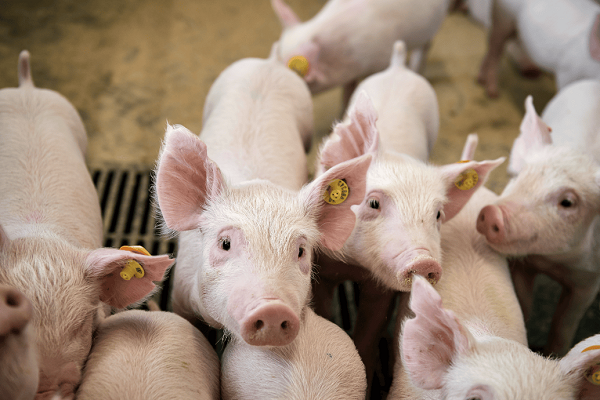
- Swine: Helps control ammonia levels, a common problem in pigsties, while also enhancing piglet vitality.
- Ruminants: Reduces methane production and improves protein rumen passage by altering the rumen fermentation process.
- Aquaculture: Used for managing water quality in shrimp and fish ponds.
Compatibility with Other Feed Additives
Yucca saponins demonstrate strong compatibility with other functional feed additives. They often work alongside probiotics, enzymes, organic acids, plant extracts, and mineral supplements to create synergistic effects.
For example, combining yucca saponins with probiotics can support microbial balance while improving nutrient digestion. When used with enzymes, yucca saponins may enhance feed breakdown and nutrient availability.
Formulation Considerations
Proper formulation is crucial to maximizing the efficacy of yucca saponins. Factors such as saponin concentration, product quality, and animal species all influence the optimal dosage. You should also consider whether to choose powdered or liquid yucca saponins based on the intended use. When determining the dosage, you should consider feed type, animal age, and production goals. Choosing high-quality raw materials and reliable suppliers helps ensure consistent product performance.
Green Agri is a plant extract manufacturer with over 20 years of experience. We supply bulk yucca saponins, 10%-80%, HPLC tested, with 2000KG in stock to meet your urgent needs. We also provide COA, specification sheets, SDS, flow charts, and other documentation. If you are looking for a reliable yucca extract supplier, Green Agri is a trustworthy choice. Contact us today!
Also See
Yucca Powder vs. Yucca Extract
The Power of Yucca in Pet Food
Yucca Extract for Dogs: The Secret to Controlling Dog Poop Odor
Why Yucca Schidigera Extract Contain in Canned & Wet Pet Food: Bulk Pet Food Ingredients
Reference
https://doi.org/10.3389/fvets.2021.676324
https://doi.org/10.1079/bjn2002725
https://doi.org/10.54660/.ijmrge.2025.6.1.1150-1152
https://doi.org/10.3390/ani11010093
https://doi.org/10.1017/s0954422409990163
https://doi.org/10.14202/vetworld.2015.556-560