How Betaine Enhances Nutrient Absorption in Dogs and Cats?
Betaine is a natural compound widely used in animal nutrition. In pet nutrition, betaine is considered a multifunctional ingredient. In this article, we will detail how betaine enhances the absorption of nutrients in dogs and cats.
What Is Betaine?
Betaine, also known as trimethylglycine, is a natural compound. Derived from the amino acid glycine, it contains three methyl groups, which endow it with unique biological functions. Betaine is an important vital “osmolyte” and methyl donor, found in both animal and plant tissues. In pet nutrition, betaine is considered a multifunctional ingredient that supports nutrient metabolism, digestive efficiency, and overall physiological health.
Natural Sources and Production of Betaine
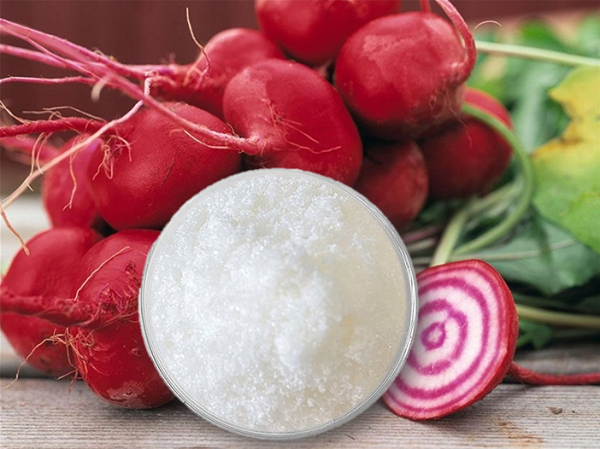
Betaine is naturally found in a variety of plants and animals. Sugar beets represent one of the richest and most commonly utilized sources for commercial betaine production. Other natural sources include spinach, wheat bran, and certain grains. In pet food manufacturing, most feed-grade betaine is extracted and purified from sugar beet molasses through specialized processing techniques.
The production process typically involves extraction, purification, concentration, and drying to produce stable betaine forms such as betaine anhydrous or betaine hydrochloride.
Betaine as a Methyl Donor in Nutrient Metabolism
One of the most important physiological functions of betaine is as a methyl donor. Methylation plays a crucial role in protein synthesis, lipid metabolism, and liver function. Betaine provides methyl groups to participate in metabolic reactions, particularly in the conversion of homocysteine into methionine, an essential amino acid.
In dogs and cats, efficient methylation supports muscle development, enzymatic activity, and overall metabolic balance. By providing methyl betaine, the utilization rate of protein in pet diets can be improved, and the efficiency of nutrient utilization can be enhanced, which is especially suitable for pets in the growth stage.
How Betaine Supports Cellular Hydration and Digestive Function?
Betaine is a potent osmolyte that helps cells maintain proper fluid balance under various environmental and physiological stress conditions. In the digestive tract, this osmoprotective property helps intestinal cells maintain their structural integrity and function efficiently.
Proper hydration of intestinal cells facilitates the passage of nutrients across the intestinal wall, thereby enhancing the absorption of amino acids, vitamins, minerals, and fatty acids. Furthermore, betaine helps maintain the intestinal barrier function in cats and dogs, which is crucial for preventing harmful pathogens and toxins from entering the bloodstream. This supportive effect on digestive stability is particularly beneficial for pets experiencing dietary changes, environmental stress, or gastrointestinal sensitivities.
Enhancing Fat Digestion and Energy Metabolism in Pets
Betaine also plays a significant role in fat metabolism and energy production. Through its involvement in methylation pathways, betaine supports the synthesis of phospholipids and lipoproteins, which are essential for transporting and metabolizing fats within the body.
- For Dogs: This helps maintain lean muscle mass and provides sustained energy for play.
- For Cats: As obligate carnivores, cats rely heavily on efficient protein and fat processing; betaine ensures their metabolism remains optimized even as they age.
Improving the Palatability of Cat and Dog Food
Betaine naturally enhances flavor characteristics in pet food formulations. Its mild sweetness and ability to enhance overall taste can improve feed intake and acceptance.
Applications of Betaine in Functional Pet Food and Nutritional Supplements
The multifunctional properties of betaine make it suitable for a wide range of pet nutrition applications. It is commonly included in dry kibble, canned food, semi-moist treats, and specialized pet supplements.
You may find betaine in the following types of pet food:
- Performance Diets: Suitable for working and athletic dogs, helps with recovery and hydration.
- Senior Dog Formulas: Helps support liver function and muscle maintenance.
- Digestive Care: Included in sensitive gut recipes to bolster the intestinal barrier.
- Weight Management: Helping the body prioritize burning fat over muscle loss.
Safety, Stability, and Compatibility with Other Pet Nutrition Ingredients
Betaine has an excellent safety profile when used within recommended dosage ranges. Regulatory agencies and feed industry guidelines generally recognize betaine as a safe and effective pet food additive.
From a production perspective, betaine exhibits strong stability under typical pet food processing conditions, including extrusion and heat treatment. Its chemical stability helps maintain its functionality during production, storage, and throughout the product’s shelf life.
Betaine is highly compatible with other pet nutrients such as amino acids, probiotics, plant extracts, vitamins, and minerals. This compatibility allows you to add betaine to complex nutritional systems during production without negatively impacting ingredient performance or product quality.
Wholesale Betaine powder in Green Agri
Green Agri is a pet food ingredient manufacturer dedicated to providing natural, healthy ingredients for pets for over two decades. Our bulk betaine ≥98%, HPLC-tested, is a white crystalline powder. We provide comprehensive documentation including COA, specification sheets, SDS, flowcharts, etc. Green Agri has supplied raw materials to numerous pet food brands, assisting them in developing new products and increasing their brand market influence.
If you are looking for a reliable betaine powder supplier for your pet food production line, Green Agri is the right choice for you. Contact us today!
Also See
Several Common Natural Antibiotics for Cats
Ashwagandha Powder In Dog Food and Why so Great for Pets?
Why Pet Food Formulators Choose Flaxseed Powder as a Functional Ingredient
How to Select Inulin for Pet Food Formula?
Bilberry Powder for Premium and Functional Pet Diets
Turmeric Powder in Pet Food: A Natural Ingredient to Consider
Rosemary Extract Liquid vs. Powder: Uses in Pet Food
Reference
https://doi.org/10.1079/nrr200493
https://doi.org/10.3390/ani12060768
https://doi.org/10.3390/ani12202837
https://doi.org/10.1017/s0043933909000300
https://doi.org/10.1021/acs.jafc.6b03592
https://efsa.onlinelibrary.wiley.com/doi/10.2903/j.efsa.2018.5335