Zinc Lactate vs. Zinc Oxide: Choosing Mineral Supplements for Pigs
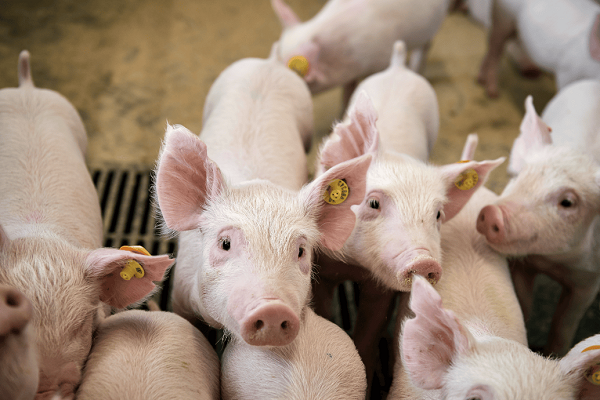
Mineral supplements for pigs play a critical role in modern swine nutrition, directly influencing growth performance, gut health, and overall herd productivity. Among trace minerals, zinc is one of the most widely used and most closely regulated. This article will compare zinc lactate and zinc oxide from multiple perspectives, hoping to help you make an informed purchasing decision.
The Role of Zinc in Pig Nutrition and Growth
Zinc is an essential trace element for pigs, participating in more than 300 enzymatic reactions. It supports protein synthesis, immune function, skin integrity, and intestinal development. Adequate zinc intake is especially important for weaned piglets, as stress, dietary changes, and an immature digestive system can all negatively impact their growth and health.
Among mineral supplements for pigs, zinc helps improve feed conversion ratio, reduce diarrhea incidence, and improve overall production performance. Zinc deficiency can lead to growth retardation and parakeratosis; therefore, zinc supplementation is an essential component of commercial pig feed.
Characteristics and Differences: Zinc Lactate and Zinc Oxide
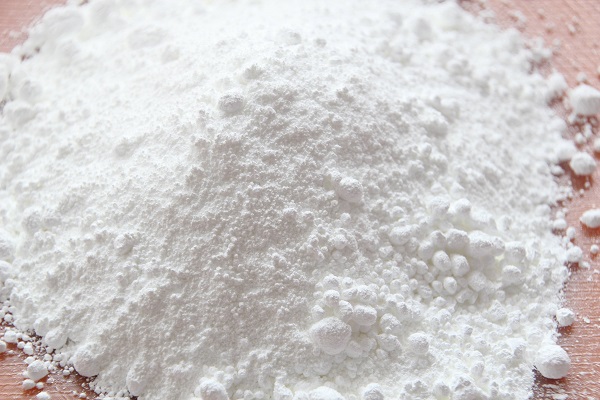
Zinc oxide is an inorganic compound traditionally used medicinally (2,000–3,000 ppm) to control scours. It is poorly soluble in water and requires a low gastric pH to be effective. Zinc oxide is also a high-zinc source and is widely used due to its low cost and and well-documented effects.
Zinc lactate, by contrast, is an organic zinc salt formed from zinc and lactic acid. It contains a lower percentage of elemental zinc but offers different physicochemical properties, including better solubility and compatibility with organic acid-based feed strategies.
So, ZnO functions as a “commodity” mineral, while zinc lactate serves as a “functional” additive designed for precision nutrition and high-efficiency absorption.
Bioavailability Comparison Between Zinc Lactate and Zinc Oxide
Bioavailability is a key consideration when evaluating mineral supplements for pigs. Zinc oxide has relatively low absorption efficiency at normal nutritional inclusion levels.
However, zinc lactate enters absorption through an organic acid pathway, avoiding the antagonistic interactions that inorganic zinc sources commonly have with minerals such as iron or calcium. It generally has higher bioavailability. Studies have shown that 800 ppm zinc lactate can achieve growth effects comparable to 1500-2500 ppm zinc oxide.
Impact on Gut Health and Post-Weaning Performance
High doses of zinc oxide have long been used to suppress post-weaning diarrhea and stabilize gut microbiota. However, zinc lactate promotes gut health through a different mechanism. It promotes the growth of intestinal villi and strengthens “tight junction” proteins, which act as the gut’s first line of defense against pathogens like E. coli.
While zinc lactate may not completely replicate the pharmacological effects of high doses of zinc oxide, as part of a holistic nutritional regimen, it helps create an environment conducive to the growth of beneficial bacteria.
Dosage Levels and Formulation Considerations in Pig Feed
When choosing mineral supplements for pigs, formulators must consider the “acid-binding capacity” of the feed. Zinc oxide has a high acid-binding capacity, meaning it neutralizes stomach acid—the very acid piglets need to digest protein. And zinc lactate has a much lower impact on stomach pH. Zinc lactate is usually applied at lower inclusion rates due to better absorption. It blends well with organic acids and functional additives, making it suitable for modern, low-zinc feed concepts.
Regulatory Trends Affecting Zinc Use in Pig Feed
Because the accumulation of zinc in feces and soil can cause environmental pollution, many regions have set strict limits on the total zinc content in pig feed. In the European Union, regulators banned the use of pharmacological levels of ZnO in 2022 due to concerns about environmental toxicity and its role in promoting antimicrobial resistance.
This makes zinc lactate a good choice. On the one hand, it can ensure the performance of pig feed. On the other hand, zinc excretion is controlled well below the legal limit.
Key Factors for B2B Buyers When Selecting Zinc Sources
For B2B buyers, in addition to selecting the right zinc, the supplier’s production capacity, quality assurance, and reliability are equally crucial. Buyers should evaluate elemental zinc content, bioavailability, regulatory compliance, and consistency across different batches. Comprehensive documentation, such as Certificates of Analysis (COAs), Safety Data Sheets (SDS), and traceability records, is also essential.
Green Agri specializes in the production of animal feed additive ingredients, and we supply bulk zinc lactate. We support feed producers and integrated companies seeking reliable mineral supplements for swine. Contact us today!
Reference
https://www.mdpi.com/2072-6643/13/1/200
https://efsa.onlinelibrary.wiley.com/doi/10.2903/j.efsa.2015.4006
https://food.ec.europa.eu/food-safety/animal-feed
https://eur-lex.europa.eu/eli/reg/2003/1831/2015-12-30