



KNOWLEDGE
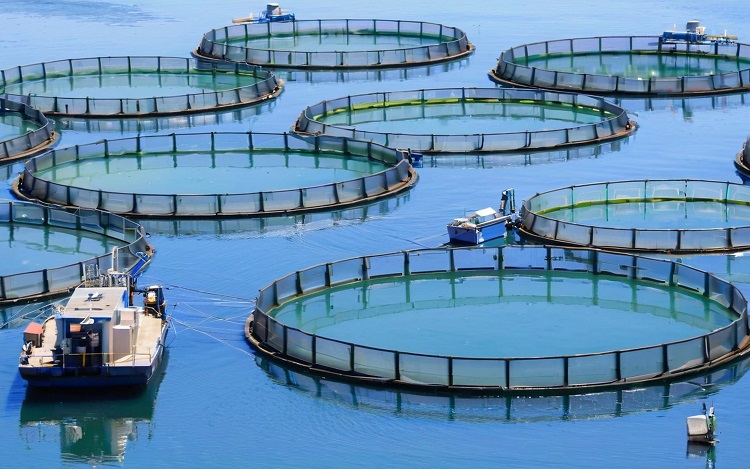
Rotenone vs. Synthetic Piscicides: Performance, Safety, and Cost Comparison
Managing aquatic ecosystems requires effective tools. Invasive fish species disrupt local food webs, damage habitat quality, and threaten native species. Fishery managers, aquaculture professionals, and conservationists often rely on chemical control methods to eliminate invasive populations. When selecting aquatic control…
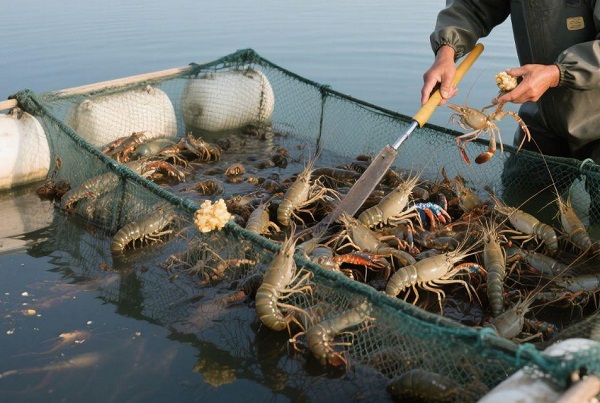
Rotenone in Aquaculture: Pond Clearing for Shrimp and Crab Farms
Wild fish are one of the hidden costs on a shrimp or crab farm. They steal feed, eat young shrimp, use up oxygen, and carry disease into a clean pond. Most farmers notice the damage too late, after a month…
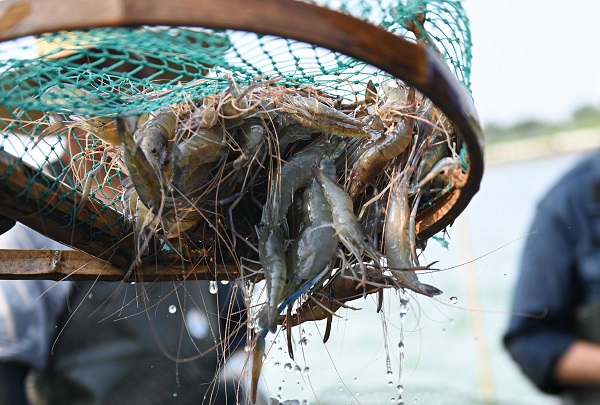
Rotenone in Invasive Species Management: Best Practices for Fisheries & Ecology Projects
Invasive fish species disrupt delicate aquatic ecosystems. They devour native species, compete for vital food supplies, and degrade water quality. Fisheries biologists and conservation groups need safe, effective tools to restore these habitats. Botanical rotenone remains one of the most…
Rotenone Raw Material Specifications: A Guide for Pesticide Formulators
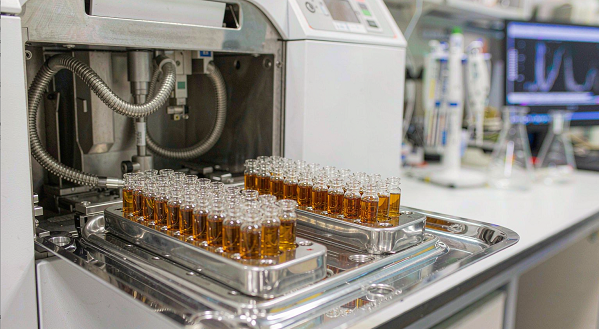
When buying rotenone raw material, price is only one part of the decision. Pesticide manufacturers also need consistent assay results, clear specifications, reliable documentation, and stable physical properties. These factors can affect formulation development, production efficiency, and batch consistency. For…
How to Test Rotenone Purity and Active Content Before Formulation
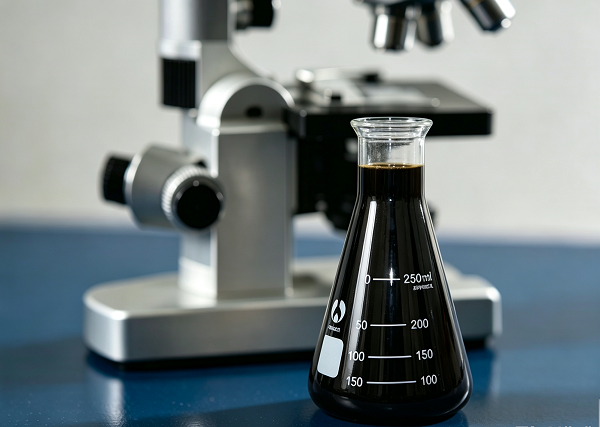
As a pesticide manufacturer or formulator, your product quality depends directly on raw material purity. Rotenone is a natural botanical compound sourced from Lonchocarpus and Derris roots. Because it originates from plant materials, natural variation occurs between batches. Testing rotenone…
How Allicin Bio-Fungicides Protect Greenhouse Tomatoes and Cucumbers from Powdery Mildew
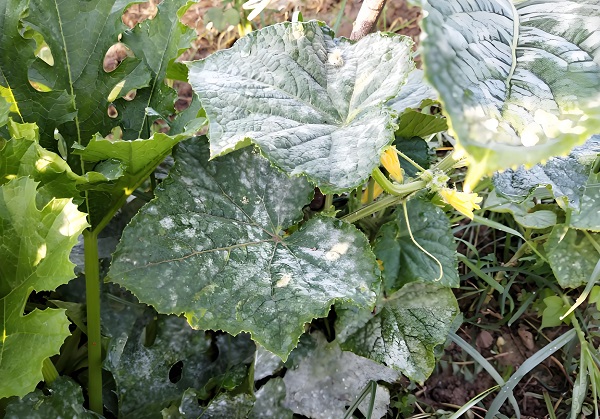
Powdery mildew is one of the most persistent fungal threats facing protected-culture vegetable growers. For producers raising tomatoes and cucumbers under glass or plastic, a single undetected outbreak can sweep through an entire house within days. Rising residue limits and…

Managing Bacterial Leaf Spot and Soft Rot in Fruit Crops with Garlic-Derived Allicin
Bacterial leaf spot and soft rot cause severe yield losses for fruit growers worldwide. Controlling these diseases often requires harsh chemical sprays that harm the environment and build pathogen resistance. Luckily, nature provides a powerful botanical solution. Garlic-derived allicin offers…
Synergistic Effects of Allicin and Neem Oil in Integrated Pest Management
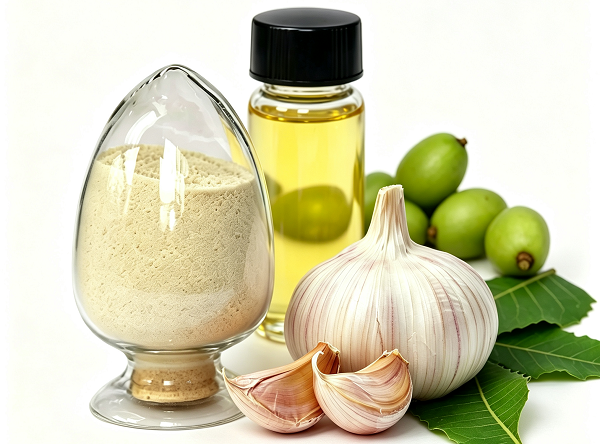
Modern agriculture faces a serious challenge. Chemical pesticides often damage soil, harm beneficial insects, and cause pests to build resistance. Because of these issues, growers are switching to sustainable Integrated Pest Management (IPM) techniques. Botanical solutions stand at the forefront…
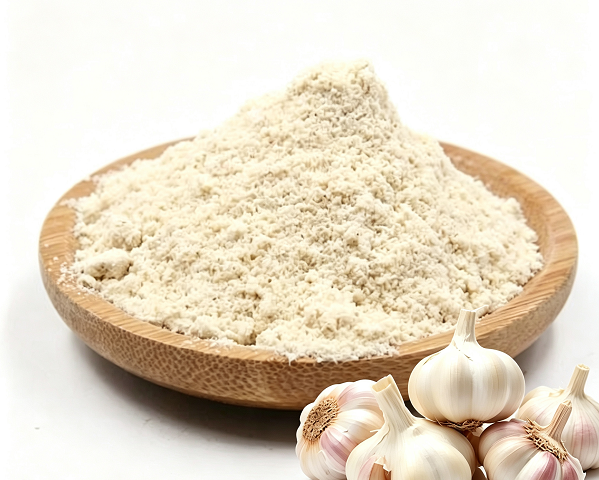
A Buyer’s Guide to Sourcing Botanical Pesticide Materials: Bulk Allicin Powder Supply Chain Insights
The demand for plant-derived pesticides is growing as formulators, agronomists, and regenerative agriculture projects seek alternatives to synthetic active ingredients. Allicin, with its defensive and antibacterial properties, has become one of the most extensively studied natural compounds. However, procuring bulk…

Environmental Safety Profile of Allicin: Soil Degradation, Ecotoxicity, and Non-Target Organisms
Allicin-based agricultural products are gaining attention as growers and formulators search for alternatives to some conventional crop protection materials. A responsible environmental assessment should examine what happens after allicin enters soil, water, and surrounding ecosystems. Its persistence, transformation, exposure pathways,…
How to Combine Allicin with Other Botanical Pesticides for Maximum Synergy
Botanical pesticides are gaining attention as growers seek more sustainable crop protection options. Allicin is one promising botanical compound from garlic. It has antimicrobial properties and may support several crop protection strategies. However, using allicin alone may not solve every…
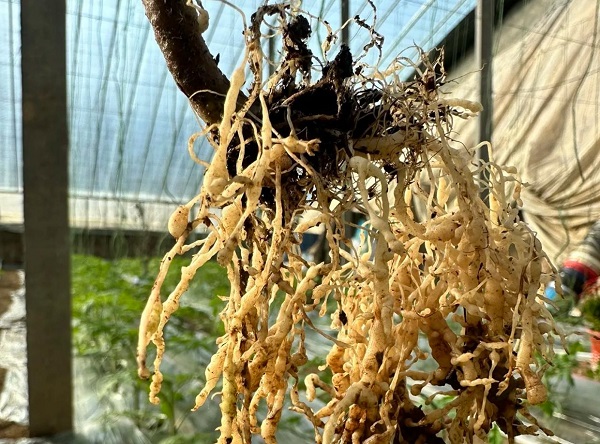
Allicin for Soil-Borne Pathogens: Controlling Fusarium and Root-Knot Nematodes Naturally
Modern agriculture faces a growing challenge: protecting crops while reducing chemical inputs. Soil-borne pathogens can survive for years and cause serious yield losses. Farmers often struggle with diseases caused by Fusarium species and root-knot nematodes. Traditional soil treatments may provide…