Chlorella Vulgaris Powder for Animal Nutrition: Comparing Microalgae-Based Ingredients
We all know that microalgae are rich in nutrients, and this is also true for animals. Today, microalgae, especially Chlorella vulgaris, have become a popular choice in livestock, aquaculture, and pet food industries. When compared with other microalgae such as Spirulina platensis, chlorella offers a distinct nutritional and functional profile.
This article we will reviews key differences and considerations that feed producers need to take into account when evaluating microalgae-based feed ingredients.
Nutritional Profile of Chlorella vulgaris Compared with Other Microalgae Species
Chlorella vulgaris is a unicellular green microalga characterized by high levels of protein, chlorophyll, vitamins, minerals, and bioactive compounds. Its dry matter protein content typically ranges from 50% to 60%. [1] It also provides essential micronutrients such as iron, magnesium, and B-complex vitamins. Chlorella is a true eukaryotic plant.
Compared with other microalgae species, chlorella is particularly rich in chlorophyll and certain nucleic acids. In contrast, Spirulina species generally contain higher phycocyanin levels but slightly lower chlorophyll concentrations. Lipid content in chlorella is moderate, often ranging from 10% to 20%, and may include polyunsaturated fatty acids depending on growth conditions.
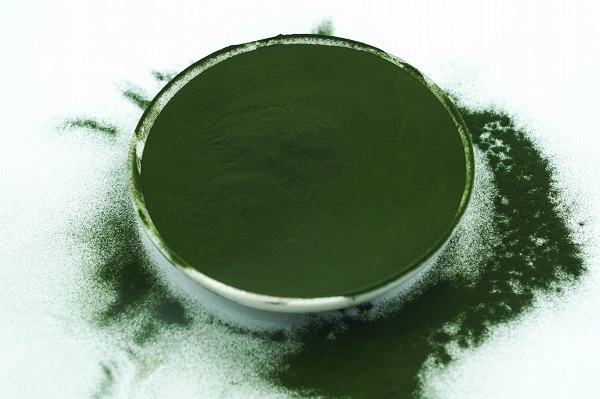
Green Agri supplies bulk Chlorella powder with a protein content of ≥58%, tested by nitrogen determination method. It is a dark green powder. We have 2000KG in stock in our US warehouse and can provide COA, specification sheets, flowcharts, and other documents.
Protein Content and Amino Acid Balance Across Microalgae-Based Feed Ingredients
Protein quality is a critical consideration in animal feed. Chlorella vulgaris has a relatively balanced amino acid composition, including lysine, leucine, valine, and other essential amino acids for monogastric and aquatic animals. In particular, its amino acid ratios closely match the physiological needs of young animals for muscle development and metabolic maintenance.
From a formulation perspective, microalgae protein can complement plant proteins such as soybean meal, contributing to protein source diversification and potentially reducing reliance on traditional ingredients.
Chlorophyll, Carotenoids, and Polysaccharides in Microalgae
In addition to its high protein content, Chlorella is also rich in various bioactive phytonutrients.
- Chlorophyll: Chlorella contains one of the highest concentrations of chlorophyll (a and b) in nature, which contributes to its deep green color and antioxidant properties.
- Carotenoids: It is rich in lutein and β-carotene, which are vital for vision and immune health.
- Polysaccharides: Chlorella contains specific β-1,3-glucans, which are complex sugars that act as immunomodulators.
Comparing Spirulina platensis and Chlorella vulgaris in Animal Feed Applications
Although many people group both ingredients under microalgae, Spirulina platensis is technically a cyanobacterium, while Chlorella vulgaris is a green alga.
In practical farming, the choice between Spirulina and Chlorella often depends on the specific goals of you:
- Digestibility: Spirulina has a thin, hemicellulose cell wall, making it naturally easier to digest. Chlorella has a rigid, multilayered cellulose cell wall that requires processing to unlock its full potential.
- Growth vs. Health: Spirulina is often prioritized for rapid growth and weight gain due to its high protein. Chlorella is often used to improve the stress resistance and long-term vitality of animals.[2]
- Cost-Effectiveness: Chlorella is often more economical to produce in large-scale freshwater systems, making it a viable alternative for replacing expensive fishmeal in aquaculture.
Impact on Gut Microbiota and Immune-Related Parameters in Livestock and Aquaculture
Some studies suggest that microalgae polysaccharides and bioactive compounds may support beneficial microbial populations and contribute to improved gut integrity.
In aquaculture, microalgae inclusion has been associated with enhanced stress tolerance and survival rates under certain conditions.
In poultry and swine, research has examined potential improvements in feed efficiency and immune indicators. [3]
Pigmentation Effects in Poultry and Aquatic Species
Carotenoids in microalgae play an important role in pigmentation.
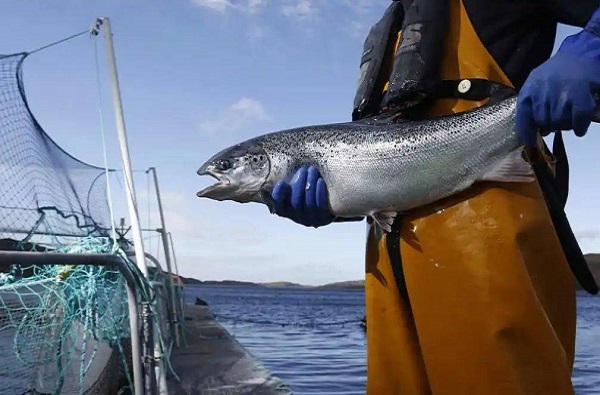
In poultry, dietary carotenoids can influence yolk color intensity, while in aquaculture,[4] in ornamental fish like guppies and koi, as well as in shrimp and salmon, Chlorella enhances skin and flesh coloration.
Spray-Dried vs. Broken-Cell Microalgae Powders
Processing techniques also affect the efficacy of Chlorella powder. Because of its highly resilient cell walls, standard “whole-cell” powder may not be fully absorbed by animals.
- Spray-dried chlorella powder maintains overall nutrient composition but may retain intact cell walls, which can limit digestibility in some animal species.
- Broken-cell or mechanically disrupted chlorella powders are designed to improve nutrient release by breaking the rigid cellulose-rich cell wall. This processing step can enhance protein and micronutrient accessibility, particularly for monogastric animals and aquatic species with limited fiber-degrading capacity. [5]
As a feed manufacturer or farmer, you should evaluate the particle size distribution, moisture content, and microbiological standards of Chlorella powder when selecting it. As a botanical feed ingredients manufacturer, Green Agri is committed to providing natural solutions for animals worldwide. Before purchasing Chlorella powder, you can request test results for moisture content, microorganisms, heavy metals, etc. Contact us now!
FAQ
Q: Can Chlorella vulgaris completely replace fishmeal in aquaculture diets?
A: While it is a high-quality protein source, total replacement can be challenging due to palatability and specific long-chain fatty acid requirements.
Q: Does supplementing with Chlorella change the taste of meat or eggs?
A: At recommended inclusion levels, Chlorella does not impart a “fishy” or “off” flavor.
Q: How does Chlorella compare to synthetic pigmenters in terms of cost?
A: While synthetic pigments are often cheaper per gram of colorant, Chlorella provides a “clean label” advantage. Because it offers both pigmentation and health-boosting nutrients such as vitamins and prebiotics.
Q: Can dogs have chlorella?
A: Yes, dogs can safely consume Chlorella vulgaris, and it is increasingly found in premium pet supplements.
Q: Is chlorella the same as chlorophyll?
A: No, though they are closely related. Chlorophyll is a green pigment found in almost all plants and algae that allows them to photosynthesize. Chlorella, on the other hand, is a specific genus of single-celled green algae.
Reference
[1] Safi, C., et al. (2014). “Morphology, composition, production, processing and applications of Chlorella vulgaris: A review.” Renewable and Sustainable Energy Reviews.
[2] Abdel-Latif, H. M., et al. (2022/2025 update). “Algae as a sustainable feed resource: revolutionizing animal nutrition.” ResearchGate/MDPI.
[3] Dinalli, V. P., et al. (2025). “Impact of Chlorella vulgaris and probiotic supplementation on performance, immunity and intestinal microbiota of broiler chickens.” PLOS ONE.
[4] Halle, I., et al. “Effect of microalgae Chlorella vulgaris on laying hen performance.” ResearchGate. (Focuses on yolk color intensity and egg quality parameters).
[5] Teuling, E., et al. (2019/2024 update). “Comparison of processing methods for improving digestibility of microalgae in monogastric animals.” Journal of Animal Science and Biotechnology.