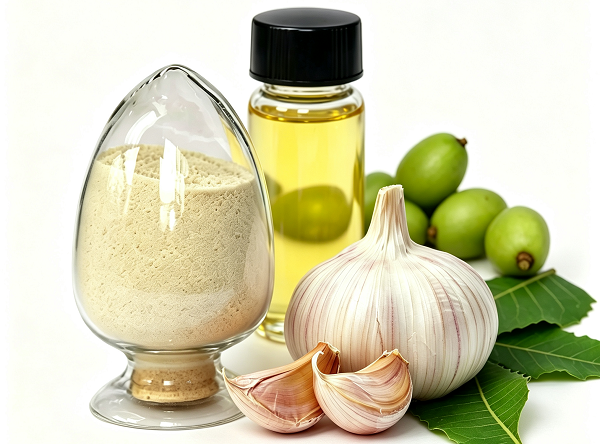
Synergistic Effects of Allicin and Neem Oil in Integrated Pest Management
Modern agriculture faces a serious challenge. Chemical pesticides often damage soil, harm beneficial insects, and cause pests to build resistance. Because of these issues, growers are switching to sustainable Integrated Pest Management (IPM) techniques.
Botanical solutions stand at the forefront of this green transition. Combining allicin and neem oil creates a powerful botanical strategy for modern farming. Together, they offer a natural defense system that boosts crop protection and keeps ecosystems healthy.
Allicin and neem oil are two botanical ingredients with different biological properties. When used together in a well-designed IPM program, they may provide complementary pest management benefits.
For pesticide manufacturers, this combination also creates opportunities for differentiated botanical pesticide formulations. However, successful commercial development requires attention to efficacy, stability, formulation, and application strategy.
Why Combine Allicin and Neem Oil?
Single-ingredient botanical sprays often face limitations in commercial farming. Some act quickly but break down fast under sunlight. Others work slowly and allow pests to cause short-term crop damage.
Combining pure allicin and neem oil solves this problem. Allicin comes from garlic, while manufacturers extract neem oil from the seeds of the neem tree (Azadirachta indica).
When you blend them, they form a multi-targeted defense strategy. Allicin hits pests fast on contact. Meanwhile, neem oil offers long-lasting growth disruption.
This approach also fits the main philosophy of IPM. Effective pest management does not depend on one product alone. Instead, it combines compatible tools to reduce pest pressure over time.
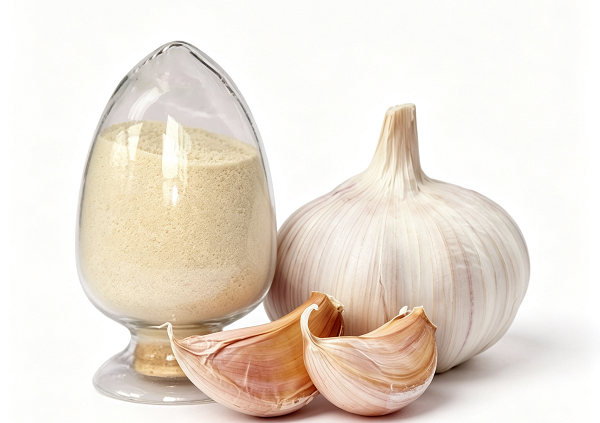
How Allicin Works: Nature’s Fast-Acting Botanical Defense
Allicin is a sulfur-containing compound derived from garlic. It forms when garlic tissue is damaged and enzymatic reactions convert precursor compounds into reactive sulfur molecules.
Allicin can interact with thiol-containing proteins and enzymes. These interactions may interfere with essential biological processes.
1. Fast Contact Kill
Allicin acts as a powerful contact bio-insecticide and anti-microbial agent. It disrupts cell membrane integrity and interferes with pest enzyme systems.
2. Strong Repellent Action
The distinct sulfur compounds emit a strong odor. This natural smell deters flying pests and stops feeding instantly.
3. Broad Anti-Pathogenic Shield
Allicin destroys fungal cell walls. It prevents issues like powdery mildew, dampening off, and root rot alongside pest control.
The Role of Neem Oil: Long-Term Growth Disruption and Repellency
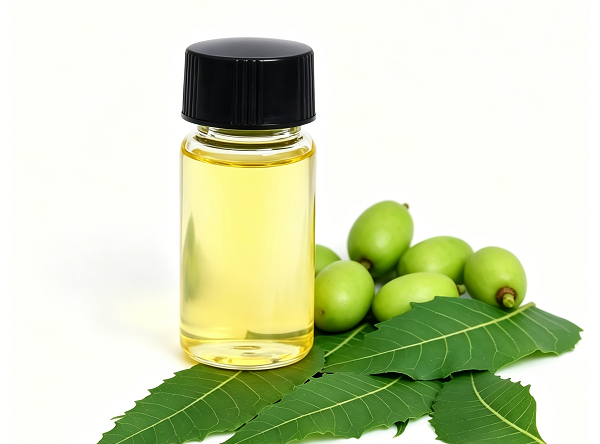
Neem oil comes from the seeds of Azadirachta indica. Neem-based agricultural products contain several biologically active compounds. Azadirachtin is one of the most widely studied neem-derived compounds. It can interfere with insect feeding and development.
Neem products may affect several stages of the insect life cycle.
- Insect Growth Regulator: Azadirachtin disrupts ecdysone, the key hormone that governs insect molting. Larvae fail to shed their skins and cannot mature.
- Anti-Feedant Action: Pests that ingest neem-treated leaves lose their appetite. They stop feeding long before they die.
- Reproductive Inhibition: Neem oil reduces egg-laying capacity in adult insects. It also lowers egg hatching rates across generations.
Understanding the Synergistic Effects of Allicin and Neem Oil
Combining these botanicals triggers a true synergistic effect where the total result exceeds the sum of its parts.
Garlic extract allicin provides a quick Knockdown effect. It weakens pest nervous systems and forces them out of hiding spots.
At the same time, neem oil offers continuous residual protection. It coats the leaves and stops surviving pests from reproducing.
Allicin also acts as a natural penetrant. It helps neem oil coat plant surfaces better and improves overall biological efficacy.
Key Agricultural Pests Controlled by the Combination
This botanical combination works against a broad spectrum of soft-bodied and leaf-chewing agricultural pests.
| Target Pest | Impact on Crops | Dual-Action Mechanism |
| Aphids | Sap depletion and viral disease transmission | Allicin knocks down on contact; neem prevents nymph development. |
| Whiteflies | Sooty mold growth and crop stunted growth | Allicin deters adults; neem disrupts egg hatching cycles. |
| Spider Mites | Leaf webbing and severe defoliation | Allicin breaks egg-laying cycles; neem stops nymph molting. |
| Thrips | Flower damage and leaf scarring | Allicin repels adults; neem halts larval development in soil. |
Eco-Friendly Advantages: Protecting Beneficial Insects and Soil Health
One major goal of IPM is to manage pests while reducing unnecessary environmental pressure.
1. Safety for Beneficials
Once sprayed liquids dry, non-target pollinators like bees face lower toxicity risks. Useful predators like ladybugs remain safe to hunt remaining pests.
2. Zero Toxic Residues
Both compounds degrade naturally via sunlight and soil microbes. They leave no harmful synthetic chemicals on harvested crops.
3. Soil Health Preservation
Synthetic pesticides destroy useful soil microbes. Allicin and neem oil biodegrade into organic matter, preserving living soil ecosystems.
Key Factors Affecting the Performance of Allicin–Neem Oil Formulations in the Field
Field success depends on smart application methods. Commercial farmers must consider key environmental factors before spraying.
- Water pH: Keep spray water pH between 5.5 and 6.5 to prevent azadirachtin breakdown.
- Emulsification Quality: Use high-grade food emulsifiers to blend neem oil evenly with water solutions.
- Temperature and UV Exposure: Spray during early morning or late evening. High heat and UV light degrade active compounds quickly.
- Storage Stability: Store technical-grade raw materials in cool, dark environments to preserve biological efficacy.
Overcoming Resistance: Breaking the Cycle of Chemical Dependency
Pest resistance remains a major challenge for modern agriculture.
Repeated use of products with similar modes of action can increase selection pressure on pest populations.
IPM reduces this risk by combining several management tools. These tools may include biological control, cultural practices, monitoring, and carefully selected crop protection products.
Botanical ingredients can provide additional options within this system.
The combination of allicin and neem oil may support diversification because the two ingredients have different biological characteristics.
However, resistance management still requires responsible use. Overapplication of any product can create unnecessary selection pressure and environmental exposure.
Rotating compatible strategies remains more effective than relying on one botanical formulation throughout the season.
Future Opportunities for Allicin and Neem Oil in Sustainable Integrated Pest Management
Interest in botanical crop protection continues to grow. Farmers, regulators, and food supply chains increasingly focus on residue management and sustainability.
This trend creates opportunities for innovative allicin and neem oil formulations.
Future development may focus on improved stabilization, controlled release technologies, and better compatibility with IPM programs.
Looking for a Reliable Bulk Allicin Powder Supplier?
Are you looking for a reliable supplier of botanical pesticide materials for your production line or distribution network? With over 20 years of experience in crop protection, Green Agri supplies bulk allicin powder in various specifications and offers customization options.
Contact us today to request a COA, samples, and a quote.
References
Amoabeng, B. W., Gurr, G. M., Gitau, C. W., & Stevenson, P. C. (2019). Cost-effectiveness of botanical insecticides for IPM in cabbage cultivation. Crop Protection, 116, 121-129.
Campos, E. V., Proença, P. L., Pascoli, M., de Lima, R., & Fraceto, L. F. (2016). Botanical insecticides and mycoinsecticides in the control of forest pests. Frontiers in Plant Science, 7, 123-138.
Chaudhary, S., Kanwar, R. K., A, A., Long, C., & Kanwar, J. R. (2017). Progress on neem oil naturally sourced bio-pesticides for pest management. Frontiers in Agronomy, 4, 78-91.
Isman, M. B. (2020). Commercialization of plant essential oils and plant extracts for pest control: Losses and gains. Industrial Crops and Products, 152, 112-120.
Oguh, C. E., Okpachi, C. A., Ubani, C. S., & Njoku, O. U. (2021). Natural botanical pesticides in insect pest management for sustainable agriculture. Journal of Agricultural Sciences, 9(3), 101-115.