Rotenone in Invasive Species Management: Best Practices for Fisheries & Ecology Projects
Invasive fish species disrupt delicate aquatic ecosystems. They devour native species, compete for vital food supplies, and degrade water quality. Fisheries biologists and conservation groups need safe, effective tools to restore these habitats. Botanical rotenone remains one of the most reliable solutions available today.
As a leading manufacturer of botanical pesticides, we produce rotenone raw material. In this guide, we share best practices for using botanical rotenone in invasive species management and fisheries restoration.
Botanical Rotenone Overview: Origin, Mode of Action, and Ecological Advantages
Rotenone is a naturally occurring compound. Farmers and fishers have harvested it from the roots of tropical leguminous plants like Derris, Lonchocarpus, and Tephrosia for centuries. Today, commercial production refines these raw plant extracts into standardized technical-grade active ingredients.
Rotenone works by inhibiting cellular respiration. Specifically, it blocks Complex I in the mitochondrial electron transport chain. Fish absorb rotenone directly through their gills into their bloodstreams. Because gill respiration rapidly moves the compound into the bloodstream, fish show high sensitivity to low doses.
Unlike synthetic chemicals, botanical rotenone breaks down quickly when exposed to sunlight and warmth. It does not bioaccumulate in the food chain, making it an environmentally friendly option for ecosystem management.
When and Why Ecology Projects Choose Botanical Rotenone
Ecology teams do not use rotenone for every nuisance fish problem. They reserve it for targeted eradication or control projects where non-chemical methods fail. Physical removal tools, such as netting or electrofishing, rarely eliminate an entire invasive population. Small fish and hidden eggs usually survive, allowing the population to rebuild quickly.
Project managers choose botanical rotenone when they need a complete biological reset. Typical scenarios include:
- Reclaiming isolated lakes or ponds before reintroducing endangered native species.
- Eradicating aggressive invasive fish (such as carp or snakeheads) from specific river segments.
- Clearing hatchery ponds to prevent disease transmission before stocking new fry.
Botanical options offer peace of mind. Managers know they are applying a natural extract that leaves no long-term chemical footprint in the sediment or water column.
Key Quality Metrics: Purity, Standardization, and Active Ingredient Stability
Not all plant extracts offer equal quality. Raw plant material contains variable amounts of rotenone depending on soil conditions, weather, and harvest timing. Field teams require consistent active ingredient concentrations to calculate exact dosing.
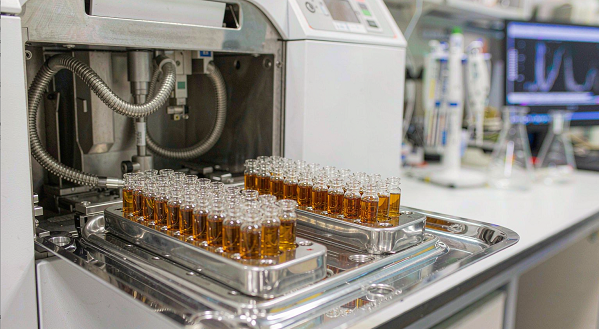
High-quality manufacturing solves this challenge. We refine raw extracts into technical-grade active ingredients (TC) with verified purity levels. Our quality assurance team checks every batch using High-Performance Liquid Chromatography (HPLC).
Standardization guarantees that a 5% liquid formulation or a technical powder contains the exact percentage declared on the label. High purity also minimizes unwanted plant resins or organic impurities, ensuring stable storage and predictable performance in the field.
Regulatory Standards and Global Compliance for Aquatic Piscicides
Applying any chemical to public waters requires strict oversight. Regulatory bodies—such as the U.S. Environmental Protection Agency (EPA) and European environmental agencies—strictly regulate piscicides.
Compliance starts with the raw technical material. Formulators and project leaders must purchase rotenone from registered, audited facilities that follow Good Manufacturing Practices (GMP). Official regulations outline clear rules regarding:
- Maximum allowable concentrations in surface water.
- Required personal protective equipment (PPE) for field applicators.
- Mandatory public notification protocols before application.
- Standard safety buffer zones for drinking water intakes.
Working with a compliant manufacturer ensures that all technical documentation, safety data sheets (SDS), and certificates of analysis (COA) meet national standards.
Site Preparation and Pre-Treatment Testing: Bioassays and Dosing Calculations
Thorough site preparation prevents project failure. Before applying rotenone, field crews map the water body, calculate water volume, and measure flow rates.
Water chemistry alters rotenone performance. Organic matter, suspended solids, high temperatures, and strong sunlight speed up rotenone degradation. Field teams run on-site bioassays (jar tests) using target fish species and local water samples. These tests help determine the minimum effective concentration, preventing under-dosing or unnecessary product waste.
Precision Application Protocols in Still and Flowing Water Systems
Application methods depend heavily on water dynamics.
Still Waters (Lakes and Ponds)
Technicians use boat-mounted pumps to inject liquid formulations below the surface. Deep lakes may require weighted hoses to distribute the product into lower water layers (the hypolimnion). Backpack sprayers help treat shallow marsh edges and dense reed beds.
Flowing Waters (Streams and Rivers)
Streams require continuous drip stations. Applicators place drip barrels along the riverbank to maintain a constant concentration over a specific time window (usually 4 to 8 hours). Dye markers help crews track the water movement and ensure even coverage throughout the treatment zone.
Neutralization & Safety: Environmental Deactivation with Potassium Permanganate
One major advantage of rotenone is its reversibility. If the treated water flows toward sensitive non-target zones or drinking water supplies, field teams can instantly deactivate it using potassium permanganate.
Potassium permanganate acts as a strong oxidizing agent. It breaks down the rotenone molecule into non-toxic metabolites within 30 to 60 minutes.
Applicators set up a neutralization station at the downstream boundary of the treatment zone. They monitor color changes and concentration levels to ensure complete deactivation before the water leaves the target area.
Post-Application Environmental Fate, Non-Target Protection, and Ecosystem Recovery
What happens after the treatment ends? Rotenone breaks down rapidly through photolysis (sunlight) and hydrolysis (water reaction). In warm, sunny conditions, its half-life ranges from 24 to 72 hours. Within a week, water chemistry typically returns to baseline levels.
Non-target organisms, such as aquatic invertebrates, may experience temporary population drops. However, macroinvertebrate populations bounce back quickly from dormant eggs, upstream drift, or sediment reserves. Once rotenone degrades completely, conservation teams can safely restock native fish, restoring a balanced food web.
Sourcing Technical-Grade Rotenone: Supply Chain Integrity and Quality Assurance
Successful restoration projects depend on a secure supply chain. Fisheries agencies and product formulators need reliable partners who provide consistent quality year-round.
As a dedicated manufacturer, we control quality at every step—from raw botanical sourcing to final packaging. We provide:
- Full batch traceability and HPLC testing reports.
- Secure packaging that protects active ingredients from light and moisture degradation.
- Reliable inventory to support seasonal restoration schedules.
Choosing a trusted manufacturer ensures your project runs smoothly, safely, and effectively.
Partner with a Trusted Botanical Rotenone Manufacturer
Are you planning an aquatic ecological restoration project or formulating high-performance piscicide solutions? Work with a manufacturing partner that prioritizes purity, regulatory compliance, and supply chain reliability.
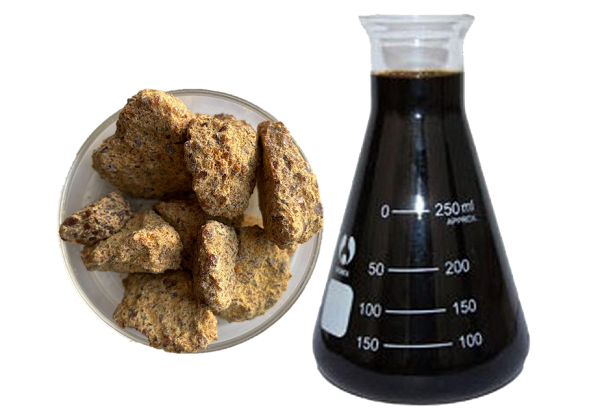
As a manufacturer of botanical pesticide materials with 20 years of experience, we supply bulk rotenone, available as a 40% powder and a 5% liquid, and provide a complete set of technical documentation, including COAs and production flow charts.
Contact our technical team today to request product specifications, Batch Certificates of Analysis (COA), or wholesale quotation details for high-grade botanical Rotenone API and Technical Grade formulations. Let us support your mission to rebuild healthy, native ecosystems.
References
- Dawson, V. K. (2014). Rotenone use in fisheries management: Administrative and technical guidelines manual (2nd ed.). American Fisheries Society.
- Ling, N. (2003). Rotenone review: A summary of its ecological effects and use in fisheries management. Doc Science Internal Series, 137, 1-40.
- Finlayson, B. J., Schnick, R. A., Cailteux, R. L., DeMong, L., Horton, W. D., Wei, W., & Jackson, C. (2000). Rotenone use in fisheries: Management and policy issues. American Fisheries Society.
- Rayner, T. S., & Creese, R. G. (2006). A review of rotenone use for the control of non-native fish in Australian freshwaters. New South Wales Department of Primary Industries – Fisheries Final Report Series, 84, 1-32.
- Cheng, H. M., & Xu, H. H. (2012). Botanical insecticides and their active ingredients in aquatic pest management. Pest Management Science, 68(11), 1432-1440.
- Vinson, M. R., & Heckmann, R. A. (2006). Effects of rotenone on riverine macroinvertebrate communities. North American Journal of Fisheries Management, 26(1), 138-143.