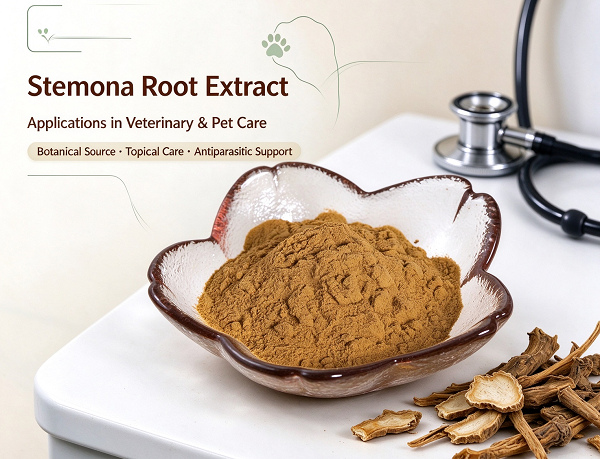
Botanical Parasite Control: Stemona Root Extract for Veterinary and Pet Care Applications
The veterinary medicine and pet care industry is increasingly concerned about issues associated with synthetic antiparasitic drugs, such as chemical residues, potential neurotoxicity, and the growing problem of parasite resistance. To address these challenges, product formulators and manufacturers are turning toward natural, plant-derived active ingredients.
Extracts from the roots of Stemona plants contain natural alkaloids, which possess insecticidal, repellent, and antifeedant properties. These components offer proven antiparasitic efficacy while avoiding the drawbacks of synthetic chemicals.
Below, we explore the science, formulations, safety profile, and sourcing standards for integrating Stemona Root Extract into your veterinary product portfolio.
What Is Stemona Root Extract and Why Is It Used in Botanical Parasite Control?
Stemona Root Extract is derived from the dried roots of plants in the Stemonaceae family, primarily Stemona japonica (Blume) Miq., Stemona sessilifolia, and Stemona tuberosa. Known historically as Baibu in traditional herbal practices, this botanical extract contains a dense concentration of naturally occurring alkaloids.
“Stemonine” actually refers to a series of Stemona alkaloids, such as stemonine, tuberostemonine, and stemofoline, with over 100 individual alkaloid compounds having been isolated to date.
In modern veterinary care, Stemona extract serves as a functional natural active ingredient for controlling ectoparasites (external parasites). As consumer demand for eco-friendly, organic, and non-toxic pet remedies rises, Stemona extract provides formulators with a standardized, reliable biological alternative to synthetic insecticides like organophosphates or synthetic pyrethroids.
How Do Stemona Alkaloids Work Against External Parasites?
Research published in the Journal of Natural Products examined alkaloids from Stemona japonica and reported effects on insect nicotinic acetylcholine receptors in laboratory studies.
The insecticidal and antiparasitic power of Stemona Root Extract stems from its unique alkaloid profile. The primary bio-active compounds include stemonine, stenine, tuberostemonine, and isotuberostemonine.
Unlike synthetic chemicals that often target single cellular pathways, Stemona alkaloids act directly on the central nervous system of arthropod pests. Upon contact or ingestion, these bioactive compounds interfere with the parasite’s motor nerve coordination, leading to rapid paralysis, feeding cessation, and eventual mortality. Because the raw botanical extract contains a natural matrix of multiple interacting alkaloids, parasites face significant barriers in developing target-site resistance over time.
Broad-Spectrum Control: Targeting Fleas, Ticks, Lice, and Mites Naturally
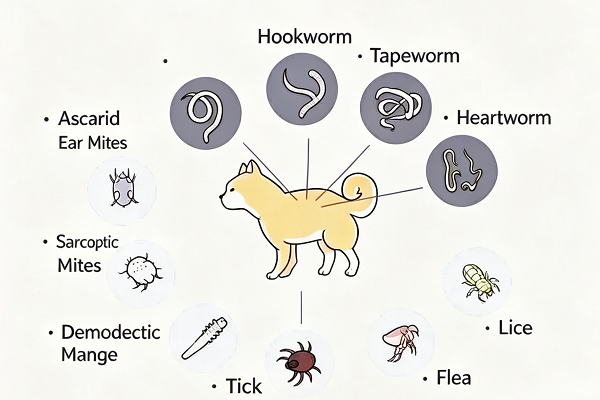
One of the primary reasons veterinary formulators select Stemona Root Extract is its broad-spectrum performance against the most common external pests affecting companion animals and livestock:
- Fleas (Ctenocephalides felis): Inhibits flea vitality on dogs and cats, stopping active infestations and preventing secondary dermatitis.
- Ticks (Ixodidae family): Paralyzes ticks attached to the animal host, facilitating easy detachment and reducing vector-borne disease transmission risks.
- Lice (Anoplura and Mallophaga): Eliminates sucking and biting lice commonly found on horses, cattle, and domestic pets.
- Mites (Sarcoptes, Demodex, Psoroptes): Effectively treats mange and ear mite infestations by penetrating deep into affected dermal tissues.
Dual Mechanism of Action: Contact Poisoning and Antifeedant Effects
Two biological effects reported in Stemona research are contact toxicity and feeding deterrence.
1. Direct Contact Poisoning: When applied topically, the extract rapidly penetrates the chitinous cuticle of the insect or mite, disrupting nerve signaling within hours.
2. Potent Antifeedant & Repellent Activity: Even at sub-lethal concentrations, Stemona alkaloids inhibit insect gustatory receptors. Parasites lose their instinct to bite, stopping blood-feeding immediately. This rapid antifeedant action reduces animal skin irritation, scratching, and secondary bacterial infections.
Primary Formulations: Pet Shampoos, Topical Sprays, and Spot-On Treatments
Stemona root extract may be investigated for several topical product formats. Each format creates different technical challenges and requires its own safety and efficacy assessment.
Pet shampoos
Shampoos are applied during bathing and rinsed off after use. Their performance depends on the extract’s compatibility with surfactants, water, and other formulation ingredients.
Important development factors include:
- Dispersibility or solubility in the shampoo base.
- Stability during storage.
- pH compatibility and skin tolerance.
- Performance during the recommended contact time.
- Ease of rinsing and coat feel.
A rinse-off product may offer a different exposure profile from a leave-on treatment. Its effectiveness should therefore be evaluated using the actual formula and directions for use.
Topical sprays
Sprays can provide convenient application across an animal’s coat. However, the formulation must deliver a consistent amount of ingredient without causing unwanted exposure through inhalation, eye contact, licking, or contact with other animals.
Developers should examine spray uniformity, droplet behavior, packaging compatibility, active-compound stability, and the risk of accidental exposure during application.
Spot-on treatments
Spot-on products are generally applied to a limited area of the skin and are designed to provide a specific pattern of pest control. They often require careful control of the active concentration, dose volume, skin distribution, and duration of activity.
For Stemona-based concepts, solubility, skin penetration, local irritation, and possible systemic exposure would require particular attention. A concentrated extract should not be considered suitable for spot-on use without appropriate formulation and safety data.
The US Environmental Protection Agency notes that flea and tick products are available in different forms and that misuse can expose pets to unnecessary risk. Product developers should follow the requirements that apply to their intended product category and destination market.
Synergy in Veterinary Formulas: Combining Stemona with Other Botanicals
You can achieve greater efficacy and faster knockdown rates by combining Stemona Root Extract with complementary plant-based active ingredients.
- Stemona + Matrine (Sophora flavescens): Enhances broad-spectrum lethal action against stubborn mites and lice.
- Stemona + Neem Extract (Azadirachta indica): Combines neurotoxic knockdown with insect growth regulation (IGR) to disrupt larval development cycles.
- Stemona +(Lavender, Peppermint, Eucalyptus): Provides pleasant natural aromatics while adding immediate pest repellecy.
Safety Profile, Toxicity Levels, and Skin Compatibility for Animals
Safety is paramount when developing topical pet treatments. Raw chemical insecticides carry risk warnings regarding dermal toxicity and mammalian skin absorption.
Standardized Stemona Root Extract exhibits a favorable safety profile when used within recommended topical doses:
- Ingredient identity: Confirm the botanical species, plant part, and chemical profile.
- Acute toxicity: Assess the potential effects of a single exposure at relevant doses.
- Repeated exposure: Investigate risks associated with the proposed use frequency.
- Skin compatibility: Evaluate irritation and sensitization using appropriate methods.
- Oral exposure: Consider licking, grooming, and accidental ingestion.
- Species differences: Assess the intended animals individually rather than assuming that a formula suitable for dogs is also suitable for cats or other species.
- Sensitive populations: Consider age, body weight, pregnancy, illness, and other factors that may affect risk.
Note: As with all active botanicals, spot-on concentrates should be rigorously tested for species-specific tolerance, particularly in feline formulations.
Regulatory Compliance and Quality Control Standards for Global Export
For you, consistent quality and reliable documentation are of critical importance when sourcing Stemona root extract. A robust quality control process helps mitigate procurement risks and ensures that the product meets the requirements of your target market.
Botanical Identity and Quality Testing
Stemona root extract suppliers should confirm the botanical species and plant part used. Depending on the product specifications, quality testing may include:
- Identity and chemical profile: HPLC or LC-MS analysis to support botanical identification and alkaloid characterization.
- Purity and safety: Testing for heavy metals, pesticide residues, microorganisms, and residual solvents, as appropriate.
- Batch consistency: A Certificate of Analysis (COA) showing actual results against agreed specifications.
Export Documentation and Regulatory Requirements
Many buyers require a COA, technical data sheet, safety data sheet, and relevant traceability or regulatory documents. Requirements vary by destination country and intended use.
In the United States, certain flea and tick products fall under EPA pesticide regulations, while other veterinary products may follow different regulatory pathways. You should confirm the applicable requirements before developing product claims or launching a finished formulation.
Why Partner with Green Agri for Your Bulk Stemona Root Extract Supply?
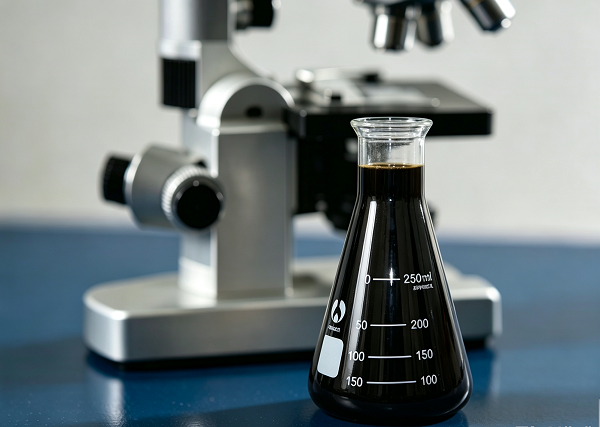
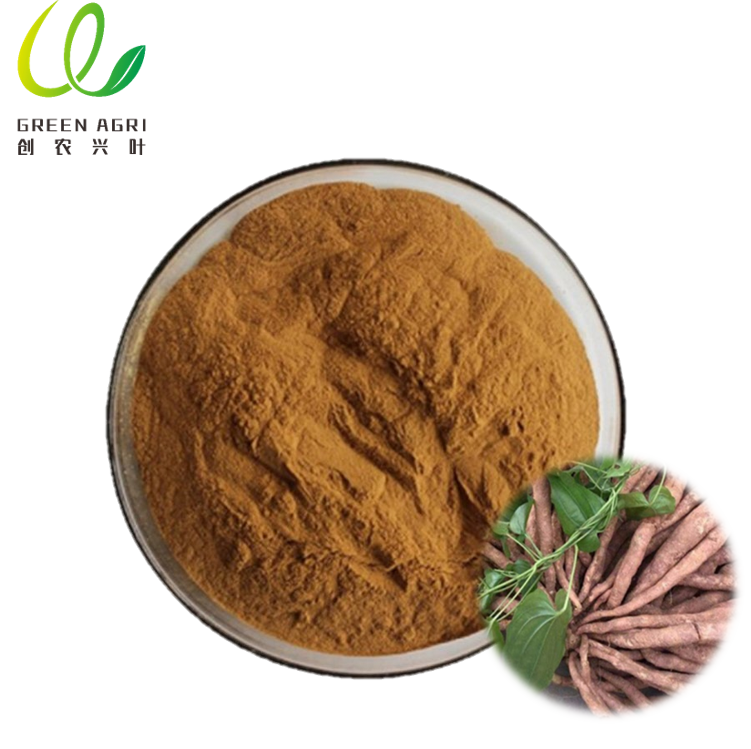
Green Agri is a botanical insecticide materials manufacturer with 20 years of industry experience. We supply Stemona root extract powder in bulk, featuring a total alkaloid content of ≥1% (HPLC) and appearing as a brownish-yellow powder. Every batch is fully traceable to its raw material source. We provide comprehensive technical documentation, including a Certificate of Analysis (COA), and offer flexible bulk packaging options (25 kg fiber drums or customized packaging).
Ready to Elevate Your Pet Care & Veterinary Formulations?
Partner with a trusted raw material supplier to bring reliable, eco-friendly parasite control products to market. Contact us today to Request Technical Data, Sample COAs, or Free Sample!
References
- Flora of China Editorial Committee. Stemonaceae: Stemona japonica (Blume) Miquel. Flora of China, Volume 24, Science Press and Missouri Botanical Garden Press.
- Jiang, H. X., et al. Insecticidal and Antifeedant Activities of Alkaloids Isolated from Stemona Species against Agricultural and Veterinary Pests. Journal of Agricultural and Food Chemistry, American Chemical Society.
- Isman, M. B. Botanical Insecticides, Essential Oils and Plant Extracts in Veterinary and Agricultural Pest Management. Pest Management Science, Wiley Online Library.
- Chinese Pharmacopoeia Commission. Pharmacopoeia of the People’s Republic of China: Identification, Quality Control, and Alkaloid Assay of Stemonae Radix. China Medical Science Press.
- National Center for Biotechnology Information. PubChem Compound Summary for CID 161300: Stemonine. PubChem Database, National Library of Medicine.
- Brem, B., et al. Antiparasitic and Insecticidal Activity of Stemona Alkaloids and Synthetic Derivatives. Journal of Natural Products, American Chemical Society and American Society of Pharmacognosy.