How Matrine Is Used Across Different Crops: Case Studies
Matrine is a botanical pesticide that offers effective, eco-friendly pest control across vegetables, fruit orchards, and tea plantations. Real-world cases show it reduces pest pressure, improves crop quality, and supports sustainable farming practices.
Matrine is a Botanical Pesticide
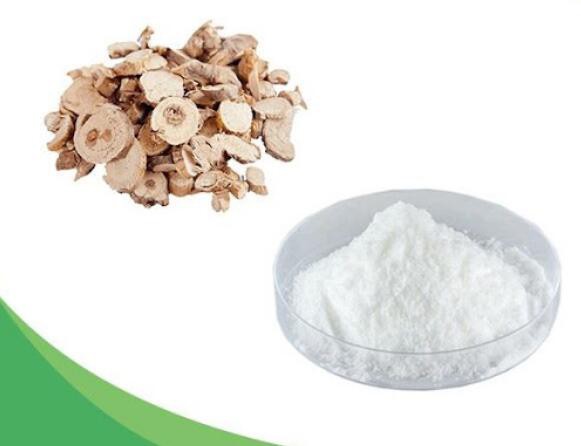
Matrine is a natural alkaloid extracted from the roots of Sophora flavescens. For centuries, this plant has played a key role in herbal medicine. Today, matrine is increasingly being used for crop protection.
Unlike synthetic pesticides, matrine breaks down quickly in the environment. It leaves minimal residue on crops and soil. This feature makes it suitable for sustainable agriculture systems.
Matrine works as both an insecticide and a fungicide. It targets the nervous system of pests and disrupts their normal feeding behavior. As a result, pests stop feeding and gradually die. This dual action helps farmers control multiple threats with a single solution.
Why Matrine Is Effective for Multi-Crop Pest Control?
Matrine works through several different mechanisms. It is a contact pesticide, stomach poison, and potent antifeedant. Insects stop feeding almost immediately upon contact with matrine. This rapid onset of action effectively prevents significant damage to crops during pest outbreaks.
Its versatility makes it ideal for a variety of crops. Matrine can disrupt the nervous system of many common pests, effectively controlling aphids, mites, and even some leaf-eating caterpillars.
Furthermore, matrine also possesses certain antifungal and antiviral properties. This broad-spectrum activity provides comprehensive protection for your fields.
1. Matrine Application in Vegetable Crops: Case Study
Pest Challenges in Leafy and Fruiting Vegetables
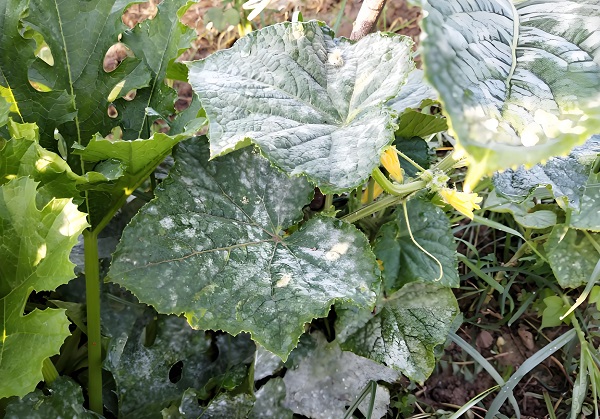
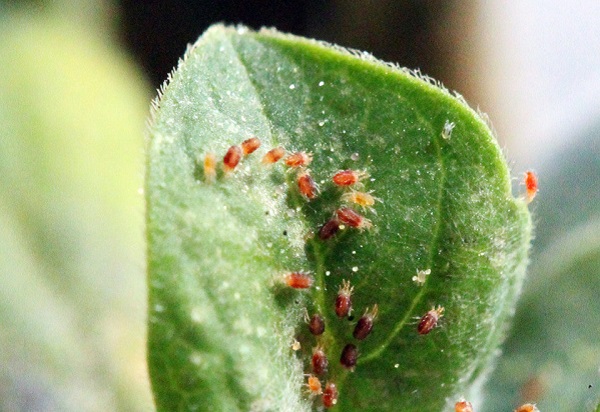
Vegetable crops often face heavy pest pressure. Aphids, whiteflies, and spider mites are common threats. These pests damage leaves and reduce photosynthesis. As a result, crop yield and quality decline.
In greenhouse vegetables, pest outbreaks can spread quickly. Warm and humid conditions create ideal environments for rapid reproduction. Farmers need fast and effective solutions.
Application Strategy and Results
In one case study, growers applied matrine to control aphids in leafy greens. They used a foliar spray at recommended intervals. The treatment reduced pest populations within a few days.
Farmers observed improved leaf quality and reduced damage. The crops met market standards without visible pesticide residue. This outcome increased their market value.
In another example, matrine controlled whiteflies in greenhouse tomatoes. Regular application prevented population buildup. As a result, farmers reduced crop losses and improved yield stability.
Key Takeaways for Vegetable Growers
Matrine works best when applied early in pest development. Consistent monitoring is essential. Farmers should follow recommended dosages for optimal results.
2. Matrine Use in Fruit Orchards: Case Study
Common Pests in Orchards
Fruit orchards face pests such as codling moths, aphids, and scale insects. These pests damage fruits and reduce their commercial value. In severe cases, they cause significant economic losses.
Chemical residues remain a major concern in fruit production. Consumers demand safer and cleaner products. Growers must balance pest control with food safety.
Field Application and Performance
In a citrus orchard case, farmers used matrine to control aphids and leafminers. They applied it during early infestation stages. The treatment effectively reduced pest populations.
Farmers reported healthier leaves and improved fruit appearance. The fruits showed fewer blemishes and higher market acceptance.
In apple orchards, matrine helped manage mite infestations. Repeated applications kept populations below economic thresholds. This approach reduced reliance on synthetic acaricides.
Benefits for Orchard Management
Matrine supports residue-sensitive markets. It helps growers meet export standards and regulatory requirements. This advantage opens access to premium markets.
3. Matrine in Tea Plantations: Case Study
Pest Issues in Tea Cultivation
Tea plantations often suffer from leafhoppers, caterpillars, and mites. These pests damage young leaves, which are critical for tea quality. Even minor damage can affect flavor and market price.
Frequent pesticide use can harm tea quality. Residues may alter taste and raise safety concerns. Growers need gentle yet effective solutions.
Application Practices in Tea Fields
In a tea plantation case, farmers applied matrine to control leafhoppers. They used targeted spraying during peak pest activity. This method reduced pest density significantly.
The treated plants showed healthier new shoots. Farmers reported improved leaf quality and better processing outcomes.
In another example, matrine controlled caterpillars without harming beneficial insects. This balance helped maintain a stable plantation ecosystem.
Impact on Tea Quality and Sustainability
Matrine aligns with sustainable farming practices. Tea producers can meet organic and eco-friendly standards more easily.
Conclusion
Matrine has proven its value across multiple crop systems. From vegetables to orchards and tea plantations, it delivers reliable pest control. Its natural origin and low residue make it a strong alternative to synthetic chemicals.
Real-world case studies show consistent results. Farmers achieve better crop quality, stable yields, and improved market access. At the same time, they reduce environmental impact.
Have you considered incorporating plant-based control methods, such as matrine, into your current pest and disease management products? Contact us today for more information!
GREEN AGRI supplies 98% (HPLC) matrine powder, and can also customize the content according to your formulation requirements. We provide COA, specification sheets, flow charts, and other documents. 20 years of production experience and continuous process optimization allow us to offer competitive prices while ensuring quality. GREEN AGRI’s matrine is the ideal choice for pesticide and insecticide manufacturers.
Also See
What is Matrine Insecticide?
Applications of Matrine: From Crop Protection to Soil Health
Matrine vs. Synthetic Pesticides: A Comprehensive Comparison
Is Matrine 98% Content a Priority for Agricultural Brand Owners?
Bulk Price Matrine Liquid 10% vs Matrine Extract 98% HPLC
The Role of Matrine in Root-Knot Nematode Prevention