Case Study: Allicin in Organic Pest Control Solutions
Organic agriculture continues to grow worldwide. Farmers and manufacturers now seek safer, plant-based alternatives to synthetic pesticides. Allicin, a plant-derived insecticide extracted from garlic, possesses both insecticidal and repellent properties.
Currently, the long-term reliance on single chemical pesticides, coupled with increased application levels, frequency, and unit area pesticide input, leads to severe plant resistance, declining control efficacy, a significant risk of pesticide residue exceeding standards, and severe environmental pollution. Compared to chemical pesticides, botanical pesticide material allicin offers advantages such as rapid degradation, low toxicity, reduced susceptibility to resistance, lower risk of harmful substance formation, and environmental friendliness.
What Is Allicin and Why Does It Matter?
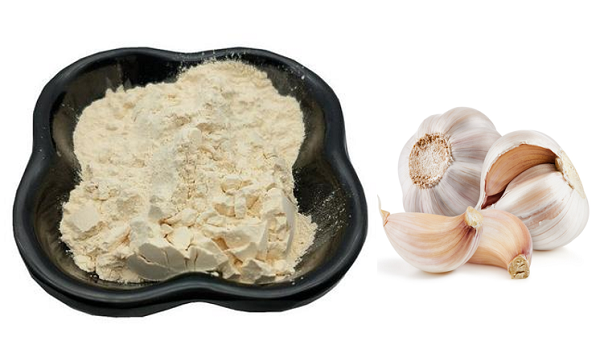
Fresh garlic itself does not contain allicin, only its precursor alliin and an enzyme alliinase. Alliinase is activated when garlic is chopped, crushed, or chewed, converting alliin into allicin. This explains why finely chopped garlic is spicier; the more allicin released, the stronger the bactericidal effect.
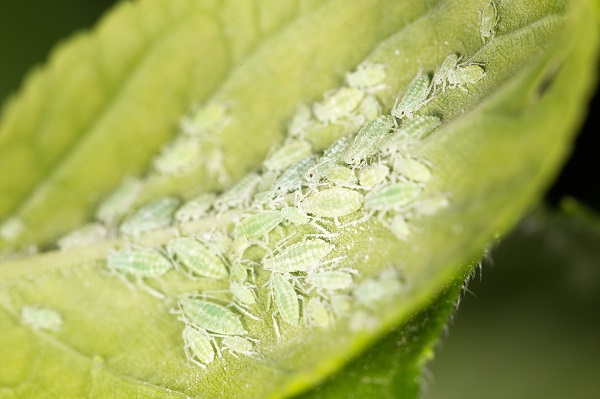
Allicin effectively controls pests such as bacteria, fungi, and viruses, and is also effective against many common horticultural pests such as aphids and mites. The natural composition of allicin minimizes its impact on the environment and human health, making it widely used in home gardening and organic agriculture. Allicin not only repels pests, but also enhances plant resistance and improves crop growth quality.
Registration information for allicin
Allicin, as a purely natural plant ingredient, has gained recognition across major regions worldwide. Brazil has registered allicin as a biopesticide targeting root-knot nematodes. In the United States, regulators have approved allicin as a biocontrol product targeting piercing-sucking insects and bacterial diseases. The European Union also approved allicin as a pesticide for the first time in 2021.
How Allicin Works?
Allicin works through multiple pathways.
- Oxidative stress: Allicin can penetrate the cell membranes of pathogens, disrupting their redox homeostasis and thus inducing apoptosis in fungal and bacterial cells.
- Behavioral interference: Its pungent odor acts as olfactory camouflage, masking the signals of insects such as aphids and whiteflies searching for hosts.
- Physical protection: High concentrations of this substance can degrade the waxy cuticles of soft-bodied insects, leading to dehydration.
Case Study: Allicin in Organic Pest Control Solutions
Case Background
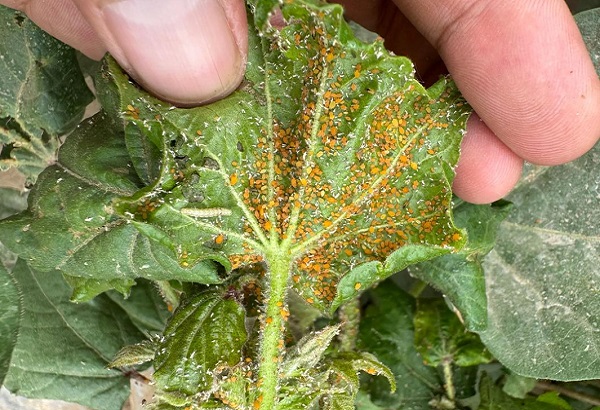
A medium-sized organic vegetable farm had been suffering from a long-term pest infestation. The farm primarily grows leafy greens and herbs. Thrips, aphids, and fungal infections severely reduced pesticide residue levels and yields.
Due to organic certification requirements, the farmer needed to avoid using chemical pesticides. However, traditional methods had limited effectiveness. Manual control had failed to completely solve the problem.
The farm decided to try a plant-derived pesticide based on allicin. The goal was to improve pest control while still meeting organic certification requirements.
Implementation
The farm decided to try a plant-derived pesticide based on allicin. The goal was to improve pest control while still meeting organic certification requirements.
The farm used an pesticide containing allicin. This pesticide formulation contains stable allicin and has controlled-release properties, thus improving its field stability.
Application was done by spraying once a week. The farmer sprayed the solution in the early morning to reduce evaporation and increase absorption.
Dosage was followed according to the vendor’s recommendations. Even coverage of all crops was ensured, and environmental conditions were closely monitored.
Results
The results became visible within two weeks. Aphid populations dropped by nearly 60%. Thrips infestation reduced significantly across most plots.
Fungal infections also declined. The farm reported fewer cases of leaf spot and mildew. Allicin’s antimicrobial properties contributed to this improvement.
Crop quality improved as well. Leaves appeared healthier and more vibrant. The yield increased by approximately 20% compared to the previous cycle.
Importantly, no phytotoxic effects were observed. The crops tolerated the treatment well. This confirmed the safety of the formulation under proper use.
Conclusion
The research, promotion, and use of plant-derived pesticides align with the concept of green agricultural development and are an inevitable requirement for it. Allicin has proven to be a potent tool in the control of organic pests. This case study demonstrates its effectiveness in practical application. It can reduce pests, improve crop health, and support sustainable agriculture.
The promotion and application of biopesticides is an inevitable trend of the times and a future indicator for the global pesticide industry. 5% allicin, a plant-derived insecticide, is a good choice.
With the expansion of the organic agriculture market, allicin is expected to play an even greater role. Through proper formulation and application, it is expected to become a cornerstone of modern organic pest control strategies.
Also See
Embrace Rotenone for a Sustainable Future
Rotenone: properties, Uses And Production Process
Matrine vs. Synthetic Pesticides: A Comprehensive Comparison
What Is Pyrethrin
Pyrethrins and Pyrethroids for Bed Bugs
Reference
Borlinghaus, J., et al. (2014). Allicin: Chemistry and biological properties.
Ankri, S., & Mirelman, D. (1999). Antimicrobial properties of allicin from garlic.
Lawson, L. D., & Wang, Z. J. (2001). Stability and bioactivity of allicin compounds.
Isman, M. B. (2006). Botanical insecticides, deterrents, and repellents in modern agriculture.