Best Pesticide for Thrips and Mites: Top Picks That Work
Thrips and mites are among the most destructive pests in modern agriculture and horticulture. These tiny insects reproduce rapidly, damage plant tissues, and can significantly reduce crop yield and quality. Choosing the best pesticide for thrips and mites requires a clear understanding of their behavior, available control solutions, and application strategies.
In this guide, we’ll break down everything you need to know to make effective and informed decisions.
Signs of Thrips and Mite Infestation
Early detection is key to controlling the spread of thrips and mites.
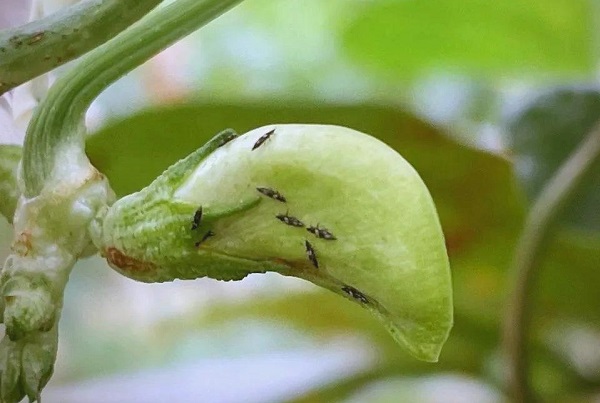
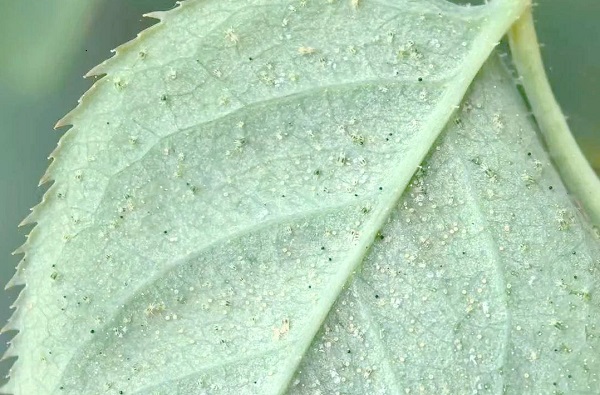
Thrips damage plants by piercing cells and sucking sap, causing silver streaks, deformities, and black fecal spots on leaves. You may also notice discoloration of flowers and decreased fruit quality.
Mites are smaller and typically hide on the undersides of leaves. Infested plants may develop yellow spots, curled leaves, and eventually leaf drop. In severe cases, plant growth can be stunted or even lead to death. Regular inspection, especially of the undersides of leaves, is crucial for early identification.
Why Thrips and Mites Are Hard to Control?
Why can’t we just spray them once and be done?
First, thrips and mites reproduce very fast. Under warm conditions, they complete a life cycle in less than a week. This rapid growth leads to sudden outbreaks.
Second, they also hide in protected areas. Spray coverage often misses these spots. As a result, many treatments fail to reach the target.
Resistance adds another challenge. Repeated use of the same pesticide reduces effectiveness over time. Studies show that thrips and mites can develop resistance quickly without proper rotation.
Active Ingredients for Thrips and Mites Control
Choosing the right active ingredient improves your results significantly. Each compound works differently.
Botanical Active Ingredients
Plant-derived pesticides offer strong efficacy with lower environmental impact. Many growers prefer them for sustainable farming.
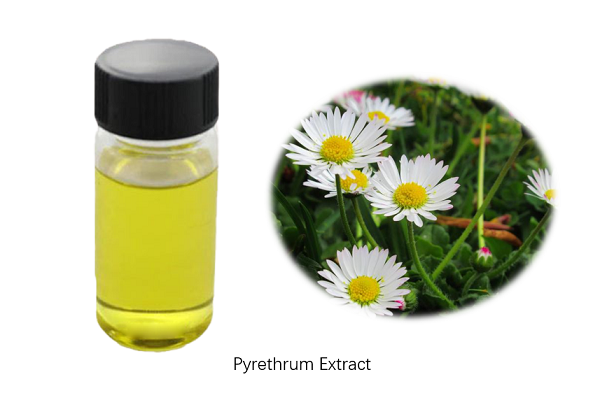
Pyrethrins offer a fast knockdown effect by paralyzing insects instantly. Ingredients like Azadirachtin work differently. They disrupt the growth and reproductive cycles, preventing the next generation from ever hatching.
Microbial and Fermentation-Based Actives
Compounds like spinosad and abamectin come from natural fermentation. They act on the nervous system and offer strong control of thrips and mites. Many also show translaminar activity, which improves coverage.
Synthetic Chemical
Pyrethroids and similar chemicals provide fast results. However, overuse can lead to resistance. Always rotate them with other active ingredients.
Contact vs. Systemic Pesticides: What’s Better?
Both pesticide types play important roles. The best choice depends on your situation.
- Contact pesticides kill pests on direct exposure. They act quickly and reduce visible populations. However, they require thorough coverage.
- Systemic pesticides are absorbed by the plant itself. When a thrip or mite bites the leaf, they ingest the poison. This approach works well for hidden insects.
For a severe infestation, many experts recommend starting with a contact spray and following up with a systemic treatment.
Organic Solutions for Thrips and Mites Control
Organic farming is no longer just a niche. It is a powerful way to grow healthy food and flowers without harsh synthetics.
Botanical Pesticides
Things like neem oil and pyrethrin offer natural control. They repel pests and disrupt their feeding. Many plant-based insecticides also interfere with the pest’s life cycle.
Gardening oils and soaps
These products work by suffocating pests or damaging their outer layer. They are particularly effective against mites and soft-bodied insects.
Biological control
This also utilizes natural mechanisms. For example, predatory mites feed on harmful mites. Lacewings and ladybugs can also reduce pest populations.
How to Choose the Best Pesticide for Thrips and Mites?
First, identify your plant type. Some pesticides can burn sensitive leaves or petals.
Next, evaluate infestation severity. Mild outbreaks respond well to botanical or organic solutions. Severe cases may need stronger chemical support.
Always rotate active ingredients. This step prevents resistance and maintains long-term effectiveness.
Also consider application method and cost. A good pesticide should fit your overall pest management plan. IPM always delivers better results than single-product use.
Wholesale Botanical Pesticide Materials
Are you looking to produce your own pest control products? Or perhaps you need bulk supplies for a large farm?
We provide premium, lab-tested botanical pesticide materials for global manufacturers. Including matrine, rotenone, osthole, celangulin, and veratrine. These raw materials can effectively control pests, while also aligning with the development trend of green and sustainable agriculture.
We maintain strict quality control standards. Every batch comes with full documentation, including COA and specification sheets. We also support sample testing and customized formulations.
Contact us now!
Reference
Deka, B., Babu, A., Baruah, C., & Sarkar, S. (2022). Plant extracts as potential acaricides for the management of red spider mite, Oligonychus coffeae Nietner (Acarina: Tetranychidae), in the tea ecosystem: An eco-friendly strategy. Frontiers in Agronomy, 4.
Dittmar, P. J., Dufault, N. S., Desaeger, J., Qureshi, Q., Boyd, N. S., & Paret, M. L. (2023). Chapter 4. Integrated pest management. EDIS, 2023.
Pottorff, L. P., & Panter, K. L. (2009). Integrated pest management and biological control in high tunnel production. HortTechnology, 19(1), 61–65.
Rodríguez, D., & Coy-Barrera, E. (2023). Overview of updated control tactics for western flower thrips. Insects, 14(7), 649.
Summerfield, A., Buitenhuis, R., Jandricic, S., & Scott-Dupree, C. D. (2024). Laboratory investigations on the potential efficacy of biological control agents on two thrips species, onion thrips (Thrips tabaci Lindeman) and western flower thrips (Frankliniella occidentalis (Pergande)). Insects, 15(6), 400.