Everything Buyers Need to Know About 98% Matrine Powder
Why Are Global Buyers Searching for a Reliable Matrine Manufacturer?
Demand for botanical pesticide materials continues to rise across agriculture, horticulture, and eco-friendly crop protection sectors. Buyers now prefer natural active ingredients that deliver stable pest control while supporting sustainable farming goals. Among these materials, matrine has become one of the most discussed plant-derived pesticide compounds.
Many importers, formulators, and pesticide brands search for a trustworthy matrine manufacturer because product purity directly affects formulation stability and field efficacy. High-quality matrine powder helps manufacturers create reliable botanical pesticide products for insects, mites, and crop protection programs.
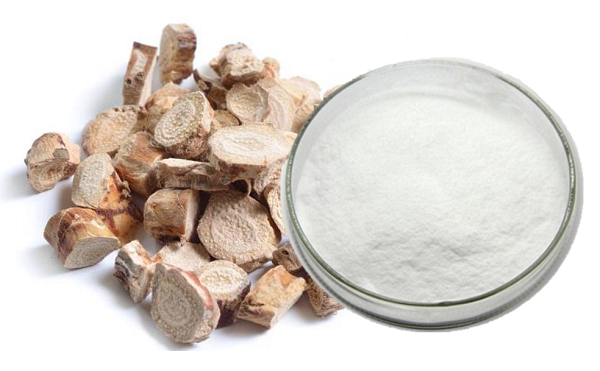
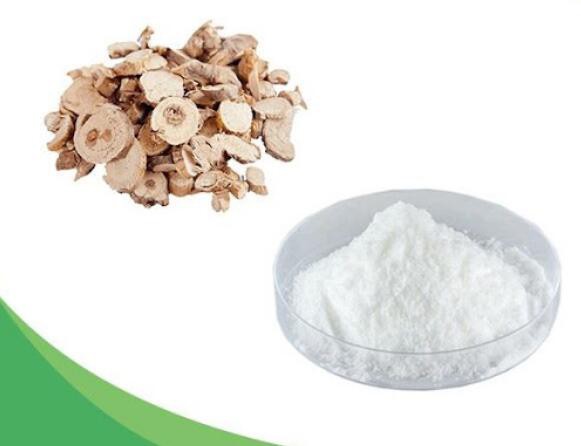
GREEN AGRI supplies 98% matrine powder with HPLC detection. The product appears as a white powder and supports botanical pesticide formulation projects worldwide.
What Is Matrine?
Matrine is a quinolizidine alkaloid extracted mainly from plants in the Sophora genus, especially Sophora flavescens. Researchers have studied matrine for decades because of its insecticidal and biological activity.
In botanical pesticide applications, matrine functions as a natural active ingredient used in formulations targeting agricultural pests. The compound has gained popularity because it originates from botanical sources rather than synthetic chemical routes.
Many pesticide formulators choose matrine because it aligns with growing market demand for greener agricultural inputs.
Why Is 98% Matrine Powder Important?
Purity matters in botanical pesticide manufacturing. A higher assay usually improves consistency during formulation.
98% matrine powder offers several practical advantages:
Better Formulation Stability
High-purity materials contain fewer impurities. This supports smoother blending during wettable powder, soluble liquid, or suspension concentrate production.
Easier Quality Control
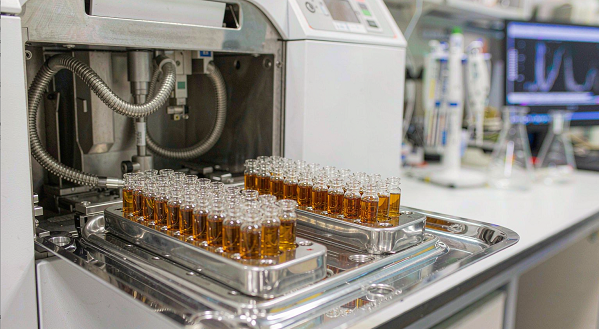
HPLC detection provides accurate analytical verification. Buyers can confirm product consistency batch by batch.
Reduced Odor and Color Variability
White powder matrine generally shows cleaner processing characteristics than lower-grade extracts.
Higher Manufacturing Efficiency
Formulators often require smaller additions of high-purity active ingredients.
What Crops Commonly Use Matrine-Based Botanical Pesticides?
Matrine formulations appear in many agricultural sectors.
Common application areas include:
- Vegetables
- Fruit trees
- Tea plantations
- Greenhouse crops
- Ornamental plants
Field usage depends on regional regulations and finished product registration requirements.
Why Do Buyers Prefer Botanical Pesticide Materials?
Agricultural markets continue to evolve. Growers and distributors now focus more heavily on residue management, environmental stewardship, and integrated pest management.
Botanical pesticide materials attract attention because they often support:
Sustainable Agriculture Goals: Natural-source materials align with eco-conscious farming initiatives.
Market Differentiation: Brands can position botanical formulations as premium agricultural solutions.
Expanding Organic Farming Interest: Many regions continue to expand organic or reduced-chemical farming acreage.
Consumer Expectations: Food supply chains increasingly monitor pesticide usage patterns.
How Does GREEN AGRI Control Matrine Quality?
Choosing a matrine factory involves more than checking price.
Reliable manufacturers must maintain stable production standards, documentation systems, and analytical capabilities.
GREEN AGRI focuses on botanical pesticide materials and supports buyers with:
HPLC Testing
Each batch undergoes analytical verification.
Stable 98% Specification
The material maintains high purity suitable for formulation development.
Professional Documentation
Available documents may include:
- COA
- Specification sheet
- SDS
- Flow chart
Export Experience
Professional export handling helps reduce logistics uncertainty.
What Should Buyers Ask a Matrine Supplier?
Before selecting a supplier, procurement teams should ask several important questions.
1. Is the Product HPLC Tested?
Analytical testing helps verify purity and authenticity.
2. What Is the Appearance?
High-purity matrine often appears as a white powder.
3. Can the Supplier Provide Batch Consistency?
Consistency matters for formulation reproducibility.
4. Does the Supplier Understand Botanical Pesticide Applications?
Industry experience reduces technical communication problems.
5. Are Regulatory Documents Available?
Documentation supports import compliance and quality audits.
What Makes Matrine Different From Synthetic Pesticide Ingredients?
This distinction influences:
- Market positioning
- Consumer perception
- Formulation strategy
- Sustainability branding
However, buyers should always evaluate efficacy, regulations, and compatibility according to local agricultural requirements.
Why Are More Brands Looking for Bulk Matrine Powder Manufacturers?
Several global trends continue to drive interest in botanical pesticide materials.
These trends include:
- Sustainable agriculture expansion
- Reduced chemical residue concerns
- Eco-friendly product branding
- Increased integrated pest management adoption
- Growth of biological agriculture sectors
As these trends strengthen, demand for stable matrine suppliers continues to increase.
Why Choose GREEN AGRI as Your Matrine Factory?
GREEN AGRI specializes in botanical pesticide materials for global agricultural markets.
Our 98% matrine powder features:
- White powder appearance
- HPLC detection
- Stable quality control
- Professional export support
- Technical documentation availability
We understand the operational needs of pesticide formulators, distributors, and agricultural ingredient buyers.
Reference
Isman, M. B. “Botanical Insecticides, Deterrents, and Repellents in Modern Agriculture and an Increasingly Regulated World.” Annual Review of Entomology, vol. 51, 2006, pp. 45–66.
Isman, M. B. “Botanical Insecticides in the Twenty-First Century—Fulfilling Their Promise?” Annual Review of Entomology, vol. 65, 2020, pp. 233–249.
Pavela, R. “History, Presence and Perspective of Using Plant Extracts as Commercial Botanical Insecticides and Farm Products for Protection Against Insects.” Plant Protection Science, vol. 52, no. 4, 2016, pp. 229–241.
Duke, J. A. Handbook of Medicinal Herbs. 2nd ed., CRC Press, 2002.
Wink, M. “Modes of Action of Herbal Medicines and Plant Secondary Metabolites.” Medicines, vol. 2, no. 3, 2015, pp. 251–286.