Why Botanical Pesticide Ingredient Matrine Are Reshaping Modern Agriculture
Table of contents
Why Is the Botanical Pesticide Industry Growing So Quickly?
Global agriculture faces mounting pressure from environmental concerns, resistance management challenges, and consumer expectations. Farmers and agricultural brands now seek crop protection solutions that balance efficacy with sustainability. This shift has accelerated demand for botanical pesticide material such as matrine. Matrine has become increasingly important because it supports eco-oriented agricultural strategies while helping manufacturers diversify product portfolios. GREEN AGRI supplies 98% matrine powder and 1%-10% matrine liquid with HPLC detection for botanical pesticide applications.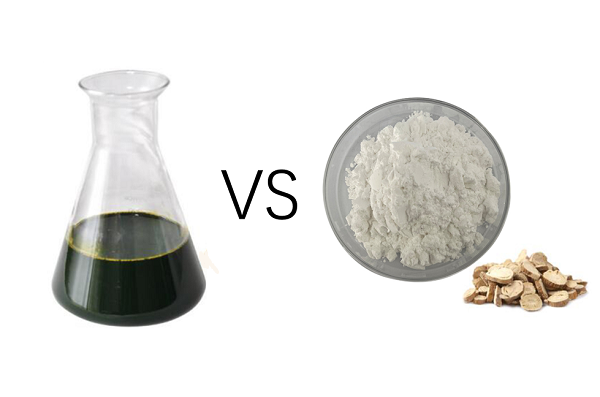
What Is Driving Demand for Matrine?
Several macroeconomic and agricultural trends contribute to growing matrine demand.Expansion of Sustainable Agriculture
Many countries now encourage reduced environmental impact farming systems. Governments, retailers, and consumers increasingly emphasize sustainability metrics.Rising Interest in Integrated Pest Management
Integrated pest management combines biological, cultural, and chemical methods. Botanical ingredients often complement these broader crop protection strategies.Market Pressure on Conventional Chemicals
Certain synthetic pesticide categories face tighter regulatory scrutiny in multiple regions. As a result, agricultural companies continue exploring alternative active ingredients.Consumer Awareness
Consumers now pay greater attention to agricultural sustainability and food production practices.Why Is Product Purity Important in Matrine Formulations?
Purity strongly influences formulation reliability. Low-purity materials may contain unwanted impurities that affect:- Solubility
- Stability
- Appearance
- Compatibility
- Storage performance
How Does Matrine Compare With Other Botanical Pesticide Ingredients?
Botanical pesticide markets include several well-known ingredients. Examples include:- Pyrethrins
- Neem-derived compounds
- Rotenone
- Essential oil blends
- Sophora alkaloids
Why Are Manufacturers Prioritizing Supply Chain Stability?
Agricultural supply chains have faced major disruptions in recent years. Raw material instability can affect:- Production schedules
- Export timelines
- Inventory management
- Customer relationships
What Challenges Exist in the Botanical Pesticide Sector?
Although the market continues growing, several operational challenges remain.- Regulatory Complexity: Agricultural regulations differ across countries.
- Raw Material Variability: Plant-derived ingredients naturally vary without proper quality management.
- Formulation Compatibility: Botanical ingredients require careful formulation development.
- Buyer Education: Some markets still lack technical understanding of botanical pesticide materials.
Why Does HPLC Detection Matter?
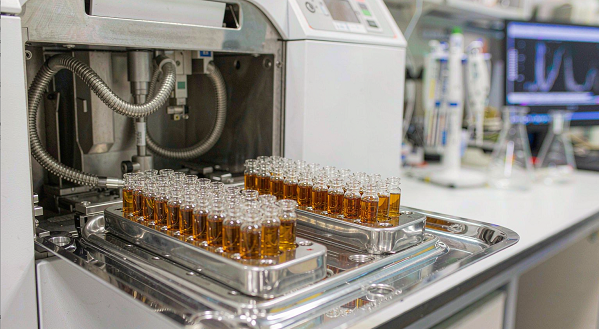
HPLC remains a trusted analytical method in agricultural ingredient quality control. For matrine manufacturers, HPLC testing helps:- Verify purity
- Monitor consistency
- Improve traceability
- Support customer confidence
What Do Professional Buyers Look for in a Matrine Factory?
Experienced procurement teams evaluate several factors beyond price. Key evaluation criteria include:Product Consistency
Stable specifications reduce manufacturing uncertainty.Documentation Quality
Accurate paperwork supports compliance.Technical Responsiveness
Fast communication improves procurement efficiency.Export Capability
International shipping experience helps avoid operational delays.Industry Specialization
Suppliers focused on botanical pesticide materials usually understand agricultural market expectations better.
Why Are Botanical Pesticides Becoming Strategic Products?
Botanical pesticide ingredients no longer occupy a small niche. Many agricultural companies now view them as strategic growth categories. Several factors support this transition:- Green agriculture policies
- Sustainability marketing
- Consumer transparency expectations
- Demand for diversified crop protection tools
- Growth of premium agricultural brands
Why Choose GREEN AGRI as Your Matrine Manufacturer?
GREEN AGRI focuses on botanical pesticide materials for global agricultural applications. Our matrine product features:- 98% purity
- White powder appearance
- HPLC detection
- Stable quality control
- Professional export support
- Isman, M. B. Botanical Insecticides in the Twenty-First Century. Annual Review of Entomology.
- FAO Integrated Pest Management publications.
- Journal of Agricultural and Food Chemistry studies related to Sophora alkaloids.