Why Pyrethrum Flower Powder Is Trusted for Organic Pest Control?
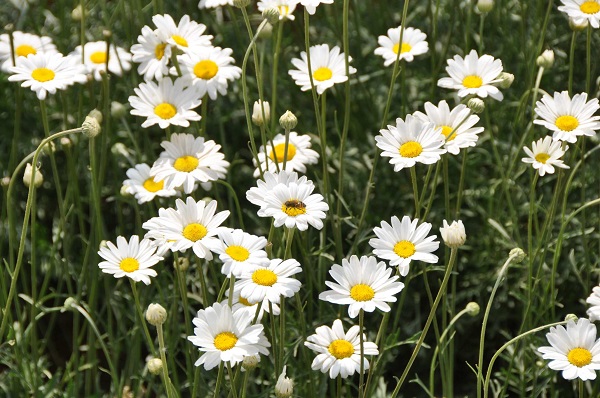
Pyrethrum flower powder comes from dried flowers of the pyrethrum daisy, mainly Chrysanthemum cinerariifolium. It is a fine powder obtained by drying and grinding the harvested pyrethrum flowers.
The flowers naturally contain active compounds called pyrethrins. These compounds help protect plants from insects in nature. For decades, growers have used pyrethrum as a botanical insecticide in farms, gardens, and public health applications.
In this guide, we’ll explore why pyrethrum flower powder remains the preferred choice for modern organic growers.
What Makes Pyrethrum Flower Powder Effective Against Insects?
Pyrethrum flowers contain six active ester compounds, known as pyrethrins. These compounds attack the nervous system of pests, causing paralysis and death shortly after contact. The chemical mechanism works by keeping sodium ion channels in the pest’s nerve cells open. This leads to over-excitation, paralysis, and ultimately death.
A major advantage of pyrethrum is their rapid knockdown effect. Growers often choose it when they need rapid pest control and are unwilling to use harsh synthetic chemicals.
Pyrethrum also breaks down relatively quickly in sunlight and air. This property helps reduce long-term environmental accumulation. Many organic growers value this characteristic.
Common Insects Controlled by Pyrethrum Flower Powder
Pyrethrum flower powder controls many troublesome insects that affect crops, gardens, pets, and homes.
Common target pests include:
- Aphids
- Fleas
- Ticks
- Mosquitoes
- Whiteflies
- Thrips
- Beetles
- Ants
- Caterpillars
- Mites
Gardeners often use pyrethrum products to protect vegetables, herbs, flowers, and fruit trees. Pet care companies also use pyrethrum in flea and tick control formulations.
Why Organic Growers Prefer Plant-Based Pest Control Solutions?
Consumer demand for organic food continues to grow worldwide. As a result, farmers and pesticide manufacturers seek safer and more sustainable pest control options.
Plant-based insecticides like pyrethrum fit well into organic farming systems. Because they originate from natural botanical sources.
Organic growers also focus on reducing chemical residues on crops. Because pyrethrum degrades within hours, it doesn’t build up in the food chain.
In integrated pest management programs, many brands frequently combine pyrethrum with other botanical pesticide materials. This balanced approach helps reduce excessive chemical use while maintaining crop protection.
Pyrethrum Compared with Synthetic Pesticides
| Feature | Natural Pyrethrum | Synthetic Pyrethroids |
| Origin | Plant-based (Chrysanthemums) | Chemically manufactured |
| Persistence | Hours | Weeks to months |
| Bioaccumulation | Low to none | Can be high |
| Organic Status | Usually OMRI listed | Prohibited in organic farming |
However, pyrethrum may require more frequent applications because of its shorter residual activity. Synthetic pesticides sometimes provide longer-lasting control.
Safety Considerations for Organic Pest Control Applications
Although pyrethrum is derived from nature, you should still handle it with caution. Natural does not always mean completely risk-free. Please follow the correct application guidelines and dosage recommendations. Wearing protective equipment such as gloves and masks during large-scale processing will help reduce unnecessary contact.
The timing of application is also crucial for protecting beneficial insects such as bees. Always apply pyrethrum flower powder in the evening. By the time bees begin feeding at sunrise, the pyrethrins will have largely decomposed. This protects pollinating insects while effectively killing pests that feed on crops at night.
Storage is also important. Store pyrethrum powder in a cool, dry place, away from direct sunlight, to maintain the product’s stability and effectiveness.
Applications of Pyrethrum Flower Powder in Agriculture and Gardening
Pyrethrum flower powder has wide applications across agriculture, horticulture, and home gardening industries.
In agriculture, insecticide manufacturers use pyrethrum in botanical insecticide formulations for vegetables, fruits, grains, and greenhouse crops.
Home gardeners often apply pyrethrum products to roses, herbs, tomatoes, and ornamental plants.
Some brands also use pyrethrum in household insect control products for mosquitoes, ants, and crawling insects.
Pet care applications continue to grow as well. Pyrethrum appears in selected flea and tick control products for animals and surrounding environments.
How to Choose High-Quality Bulk Pyrethrum Flower Powder?
Quality is crucial to the performance of pyrethrum powder. Before selecting a supplier, please evaluate the following factors:
First, review product testing and quality documentation. Reliable suppliers typically provide COAs, specification sheets, and test reports.
Second, confirm the supplier’s production capacity and stability. A stable supply chain is essential for the marketing of your pest control products.
Third, compliance documentation also helps you meet market and regulatory requirements.
Finally, choose a supplier with extensive experience in plant-derived pesticide raw materials. Experienced manufacturers typically maintain stricter quality standards and provide better technical support.
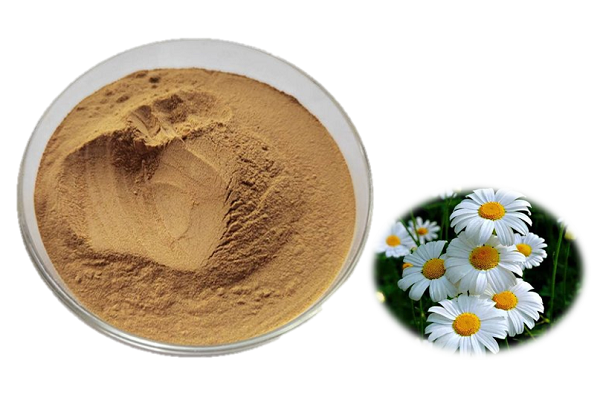
At Green Agri, we supply bulk pyrethrum flower powder to manufacturers of organic pest control products worldwide, grayish-brown powder, 100 mesh, HPLC tested. We focus on providing consistent quality, professional service, and reliable global supply solutions for plant-derived insecticide applications. Contact us today!
Reference
Casida, J. E. (2017). Pyrethrum flowers: Production, chemistry, toxicology, and uses. Annual Review of Entomology, 62, 61–81.
Hemingway, J., Hawkes, N. J., McCarroll, L., & Ranson, H. (2004). The molecular basis of insecticide resistance in mosquitoes. Insect Biochemistry and Molecular Biology, 34, 653–665.
Isman, M. B. (2006). Botanical insecticides, deterrents, and repellents in modern agriculture and increasingly regulated world. Annual Review of Entomology, 51, 45–66.
Casida, J. E., & Quistad, G. B. (1995). Pyrethrum flowers: Production, chemistry, and use in insect control. Journal of Pesticide Science, 20, 1–6.