Rotenone Raw Material Specifications: A Guide for Pesticide Formulators
When buying rotenone raw material, price is only one part of the decision.
Pesticide manufacturers also need consistent assay results, clear specifications, reliable documentation, and stable physical properties. These factors can affect formulation development, production efficiency, and batch consistency.
For procurement teams, a good bulk rotenone supplier should provide more than a product name and a purity number. You also need a complete raw material specification that explains what they are buying and how quality is verified.
This guide explains the key rotenone raw material specifications that pesticide formulators should review before placing a bulk order.
What Is Rotenone and How Is It Used?
Rotenone is a naturally occurring botanical compound extracted from the roots of plants in the Fabaceae (pea) family, primarily Derris, Lonchocarpus, and Tephrosia species. It functions as a selective, non-systemic broad-spectrum insecticide, acaricide, and piscicide.
At the cellular level, rotenone acts as a metabolic inhibitor. It works by blocking Complex I of the mitochondrial electron transport chain, stopping cellular respiration in target organisms. In agrochemical applications, formulators use bulk rotenone active ingredient to create:
- Agricultural Insecticides: Targeted liquid sprays and dust formulations for vegetable and fruit crops.
- Aquatic Management Agents: Selective fish management solutions used by wildlife agencies.
- Veterinary Products: Ectoparasiticides for livestock and household animal care.
Rotenone Appearance And Physical Form
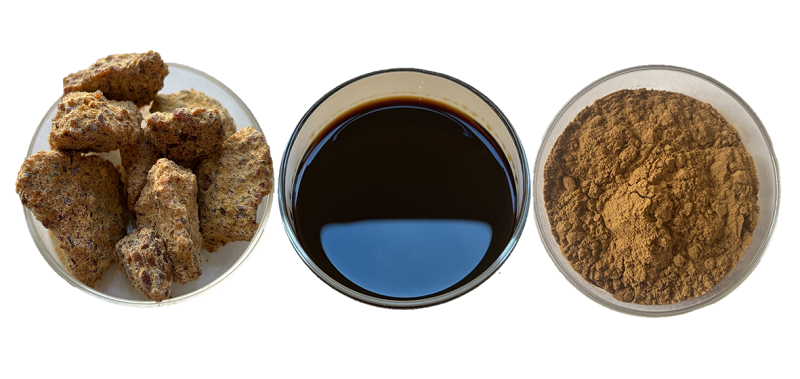
Botanical-source rotenone comes in distinct physical forms based on extraction methods, processing steps, and concentration levels. Understanding these forms helps buyers choose the right raw material for their manufacturing setup:
Brown Powder (Rotenone Extract Powder):
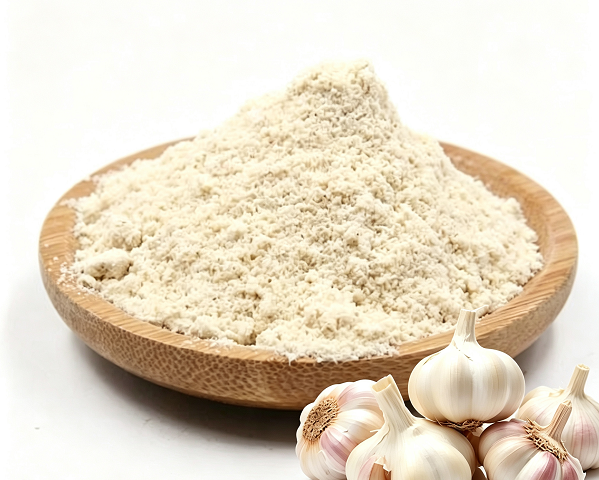
- Features: A free-flowing tan to brown powder produced by drying root extracts onto carriers or fine-milling extract solids.
- Application: Ideal for formulating Wettable Powders (WP), Dustable Powders (DP), and Water-Dispersible Granules (WDG).
Brown Liquid (Rotenone Liquid Extract):
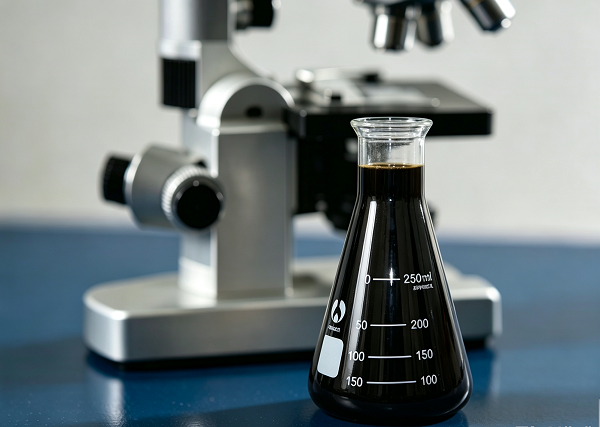
- Features: A viscous, brownish liquid extract containing active rotenone dissolved along with natural plant resins and essential oils.
- Application: Perfect for direct dilution into Emulsifiable Concentrates (EC), Soluble Concentrates (SL), or liquid oil-based sprays.
Brown Extract Blocks (Crude Rotenone Mass):
- Features: Solid, resinous brown blocks or lumps formed from direct concentrated root extracts prior to powder milling or liquid standardization.
- Application: Preferred by large-scale manufacturers who have in-house reactor vessels to melt or dissolve raw resin masses directly into organic solvents for custom processing.
Moisture Content and Other Physical Quality Parameters
Physical quality parameters vary depending on whether you purchase liquid, powder, or block formats.
| Parameter | Brown liquid | Brown powder | Brown block |
| Specification | 5–20% | 5–20% | 20–40% |
| Moisture | ≤ 0.5% (Karl Fischer) | ≤ 5.0% (LOD) | ≤ 2.0% (LOD) |
| Appearance | Brown, clear to hazy | Brown, free-flowing | Brown solid, melts when warmed |
| Viscosity @ 25 °C | 50–500 cP | — | — |
| Density @ 20 °C | 0.90–1.10 g/mL | Bulk 0.30–0.55 g/mL | — |
| Softening point | — | — | 40–60 °C |
| Particle size D90 | — | ≤ 45 µm (WP/WG) | — |
| pH (1% in water) | 5.0–7.0 | 5.0–7.0 | 5.0–7.0 |
| Flash point | Report value, required for shipping | — | — |
| Storage | Below 25 °C, sealed, dark | Below 15 °C, dry, dark | Below 25 °C, sealed, dark |
Rotenone breaks down in light and air. As it does, the color moves from yellow to orange to deep red. Bases change its shape too, so keep all grades away from alkaline carriers and alkaline glass. Store below 15 °C where you can, sealed and dark.
What Impurity Limits Should Buyers Consider When Purchasing Rotenone?
Because botanical rotenone is a natural plant extract, raw materials inherently contain co-extracted plant resins, natural flavonoids, and trace environmental elements. Formulators must evaluate:
- Active Ingredient Assay: Botanical extracts typically range from 2.5% up to 50% rotenone content. Specifications must state whether the assay measures pure rotenone alone or total rotenoids (including deguelin and tephrosin).
- Plant Resins and Wax Content: Natural plant waxes in brown liquid and block forms can cause haze or nozzle blockage if not properly emulsified.
- Heavy Metals: Because plants absorb minerals from soil, strict thresholds must be established for lead, arsenic, cadmium, and mercury.
- Extraction Residues: Solvent-extracted liquids and powders must comply with residual solvent safety guidelines (e.g., limits on acetone, ethanol, or ethyl acetate).
How Rotenone Solubility and Dispersibility Affect Formulation Development
Pure rotenone barely dissolves in water. At 20 °C, water holds only about 0.2 mg/L.
It dissolves well in organic solvents. At 20 °C: chloroform 472 g/L, ethylene dichloride 330 g/L, chlorobenzene 135 g/L, acetone 66 g/L, xylene 34 g/L, ethanol 2 g/L. Its log P is about 4.26, so rotenone is very oily and fat-loving.
This hydrophobic nature makes solvent choice and surfactant selection critical:
- Emulsifiable Concentrates (EC) from Liquid/Block Forms: Tan liquids and brown blocks dissolve readily in aromatic hydrocarbons, acetone, xylene, and natural vegetable oils. Formulators must select non-ionic and anionic surfactant blends to keep the mixture stable down to 0°C without crystal formation.
- Wettable Powders (WP) from Tan Powders: When using tan powder forms, wetters and dispersants (such as lignosulfonates) must be added to achieve complete wetting within the specified time and maintain high suspension stability in hard water.
- pH Degradation Awareness: Rotenone degrades rapidly under alkaline conditions (pH > 8.0) via photo-oxidation and racemization. Final product pH across all forms should be maintained in the slightly acidic to neutral range.
Which Analytical Methods Should Be Listed in Rotenone Specifications?
To ensure test results are legally binding and reproducible, raw material specifications must reference recognized standard analytical testing procedures.
- Active Identification & Assay: High-Performance Liquid Chromatography (HPLC) with UV detection (294 nm) is the standard method for separating rotenone from other plant compounds. CIPAC methods should be specified.
- Moisture & Volatiles: Karl Fischer titration or Loss on Drying (LOD) for powders/blocks; specific gravity and solvent content analysis for liquid extracts.
- Heavy Metal Screening: Inductively Coupled Plasma Mass Spectrometry (ICP-MS).
- Particle Size & Dispersion: Laser diffraction particle size analysis (ISO 13320) for powders.
- Residual solvents: headspace GC, using ICH Q3C style limits
How to Review a Rotenone Supplier’s CoA and Technical Documents
Before releasing a raw material batch into production, quality control teams must review the supplier’s Technical Data Sheet (TDS), Safety Data Sheet (SDS), and Certificate of Analysis (CoA).
- Verify Form-Specific Metrics: Ensure the CoA explicitly lists test limits relevant to the specific product format (e.g., viscosity and sediment for tan liquids; mesh size and moisture for brown powders; solubility and melting range for brown blocks).
- Confirm Batch Consistency: Check that sample reports, drum markings, and shipping papers match lot numbers on the CoA.
- Evaluate Stability & Storage Guidelines: Review accelerated heat-stability tests (e.g., 14 days at 54°C per CIPAC MT 46.3) to confirm the extract will not decompose during sea transit or hot warehouse storage.
- Safety Documentation: Ensure the SDS includes proper GHS classifications, toxicological data, and personal protective equipment (PPE) requirements for handling raw plant extracts.
When establishing procurement contracts with botanical extract manufacturers, draft a comprehensive Raw Material Specification (RMS) document tailored to your chosen product format.
How to Create a Rotenone Raw Material Specification for Bulk Procurement
When establishing procurement contracts with botanical extract manufacturers, draft a comprehensive Raw Material Specification (RMS) document tailored to your chosen product format.
Checklist for Bulk Botanical Rotenone Procurement
- General Product Info: Botanical Source (Derris / Lonchocarpus), Product Form (Tan Powder / Tan Liquid / Brown Block), CAS No. (83-79-4), HS Code.
- Chemical Identity: Target rotenone purity %, allowed related rotenoid limits, and target assay method (HPLC).
- Physical Metrics: Moisture ceiling (powders/blocks), viscosity/sediment limit (liquids), mesh size/particle distribution, and color description.
- Contaminant Limits: Heavy metals, inorganic ash, and residual solvent maximums.
- Packaging & Storage Conditions: Sealed lined drums, light-proof containers, stored in cool, dry, dark environments away from direct heat and alkaline substances.
Looking for a trusted bulk rotenone manufacturer? We supply rotenone powder 40%, rotenone liquid 5% for your formulation requirements. Every batch is backed by comprehensive CoA and full technical support.
Contact us Today to request specification sheets, custom pricing, or sample lots for your trial production.