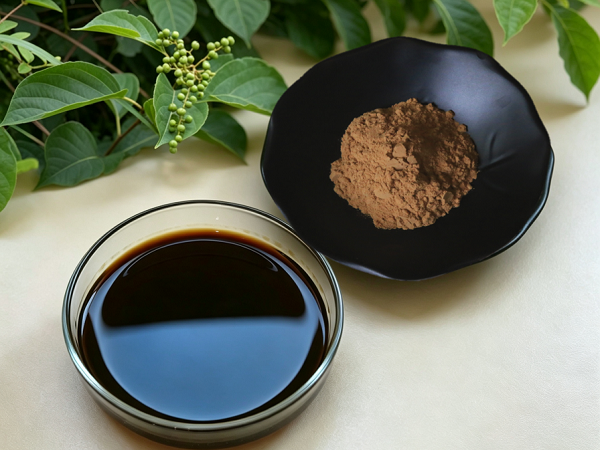
Celastrus Angulatus Extract: The Organic Pesticide Ingredient
As agriculture moves toward sustainable production, botanical pesticides are becoming an important alternative to conventional chemical products. Farmers, formulators, and distributors are looking for natural active ingredients that provide effective pest control while reducing environmental impact. Among these botanical ingredients, Celastrus Angulatus Extract has attracted increasing attention for its broad-spectrum insecticidal activity and plant-derived origin.
This article explains how Celastrus Angulatus Extract works, why it is valuable in organic agriculture, and what buyers should consider when sourcing commercial-grade material.
What Is Celastrus Angulatus Extract?
Celastrus Angulatus Extract comes from the root bark of Celastrus angulatus Max., commonly known as Chinese Bittersweet or Kupi Teng. For centuries, traditional farmers used this woody vine to protect stored grains and crops.
The extract is commonly produced from the stems or root bark using controlled extraction methods. After purification, the active ingredients become suitable for agricultural formulations such as emulsifiable concentrates, suspension concentrates, and other botanical pesticide products.
Unlike synthetic insecticides, Celastrus Angulatus Extract originates from renewable plant resources. This makes it an attractive ingredient for manufacturers developing environmentally friendly crop protection products.
Key Active Compounds Responsible for Insecticidal Activity
The high efficiency of this extract stems from its complex chemical profile. It contains a unique group of natural β-dihydroagarofuran sesquiterpene polyol esters.
The primary active ingredient is Celangulin (specifically Celangulin V). These active compounds do not rely on a single mode of action. Instead, they disrupt the insect’s nervous and digestive systems through three key mechanisms:
- Stomach Poisoning: The extract destroys the insect’s midgut epithelial cells upon ingestion.
- Antifeedant Effect: Pests quickly stop feeding, which halts crop damage immediately.
- Contact Knockdown: Direct contact alters nerve membrane permeability, causing paralysis.
Broad-Spectrum Insecticidal Properties and Target Pests
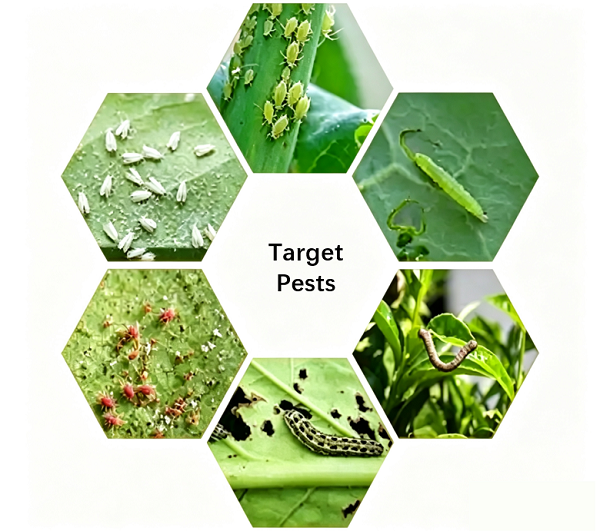
Formulators value Celastrus Angulatus Extract because it targets a wide range of destructive agricultural pests. It works exceptionally well against chewing insects and foliage eaters:
- Lepidopteran Larvae: Armyworms, diamondback moths, cabbage caterpillars, and cotton bollworms.
- Coleopteran Pests: Flea beetles and leaf beetles.
- Homopteran Pests: Aphids and scale insects in early infestation stages.
The extract often works through feeding inhibition before insects die. Reduced feeding means crops suffer less damage during treatment.
Because of its multiple modes of action, pests struggle to develop physiological resistance to this extract.
Advantages of Celastrus Angulatus Extract Over Synthetic Pesticides
Why should crop protection brands switch from synthetic chemicals to this botanical raw material?
Botanical insecticides offer several important advantages compared with conventional chemical products.
| Performance Metric | Synthetic Chemical Pesticides | Celastrus Angulatus Extract |
| Residue Risk | High chemical residues, harvest withholding periods | Rapid natural degradation; zero harmful residue |
| Resistance Build-up | High risk, target pests mutate quickly | Low risk, complex natural compounds prevent resistance |
| Environmental Impact | Soil toxicity and groundwater contamination | Eco-friendly, breaks down cleanly in soil and water |
| Target Toxicity | Often harms beneficial insects and pollinators | Low toxicity to non-target organisms when applied properly |
Key Benefits of Celastrus Angulatus Extract in Organic Farming
For commercial organic growers, this extract offers a vital tool for Integrated Pest Management (IPM).
First, it leaves no toxic residues on fruits and vegetables. This property allows growers to apply it close to harvest without violating strict maximum residue limits (MRLs). Second, it breaks down rapidly under natural sunlight and soil microbes. It cleans up the environment while effectively managing pest outbreaks.
Quality Standards for Commercial Celastrus Angulatus Extract
Quality determines the performance of any botanical pesticide ingredient. Professional buyers should evaluate suppliers using multiple quality indicators instead of price alone.
High-grade raw material ensures stable final formulations:
- Active Ingredient Standard: Standardized Celangulin content (typically tested by HPLC).
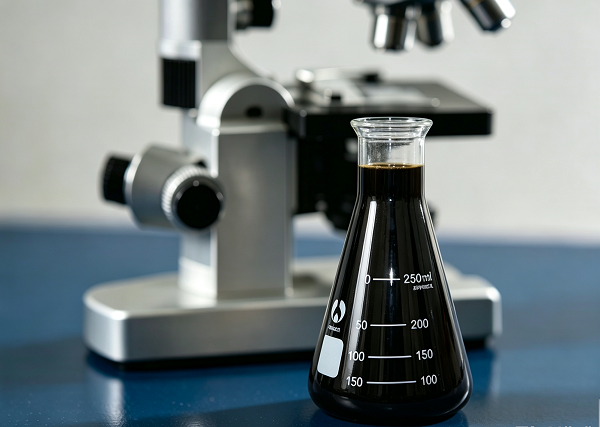
- Physical Properties: Fine, brown powder or liquid concentrate with uniform solubility in standard agrochemical solvents.
- Purity & Safety: Heavy metal limits under 10 ppm, low pesticide residue profiles, and strict moisture control below 5%.
Manufacturers should also provide Certificates of Analysis (COA), technical data sheets, and complete quality documentation to support customer regulatory requirements.
Future Market Trends for Botanical Pesticide Ingredients
The global market for botanical pesticides is expanding at over 10% annually. Stringent government regulations are phasing out toxic synthetic chemicals. At the same time, food supply chains require sustainable growing practices. Formulators who adopt proven botanical extracts like Celastrus angulatus now will secure strong market positions in sustainable agriculture.
Why Green Agri As Your Celastrus Angulatus Extract Manufacturer
Green Agri is a botanical pesticide materials manufacturer with 20 years of experience.
- Direct Factory Supply: We manage our extraction facilities to ensure stable bulk supply and competitive direct-from-manufacturer pricing.
- Strict Quality Control: Every batch undergoes HPLC testing to guarantee precise active Celangulin levels.
- Formulation Support: Our technical team assists B2B clients with solvent compatibility, stability testing, and custom concentration specifications.
- Global Logistics Support: We provide full documentation, including Certificates of Analysis (COA), SDS, and technical data sheets for smooth customs clearance.
- Reliable export experience for international markets
Whether you develop botanical insecticides, organic crop protection products, or sustainable agricultural formulations, Green Agri provides dependable ingredient solutions to support your business.
Looking for a trusted Celastrus Angulatus Extract supplier?
Contact us today to request a sample, access detailed technical specifications, or get a quotation for bulk for Celastrus Angulatus Extract!
References
Liu, X., & Chen, W. (2018). Extraction, Isolation, and Insecticidal Activity of Sesquiterpene Polyol Esters from Celastrus angulatus Max. Journal of Agricultural and Food Chemistry.
Wu, W., Zhang, X., & Ji, Z. (2015). Mechanism of Action of Celangulin V on the Midgut Epithelial Cells of Mythimna separata. Pesticide Biochemistry and Physiology.
Zhang, Y., & Zhao, B. (2020). Botanical Pesticides in Modern IPM Programs: Efficacy and Environmental Safety of Chinese Bittersweet Extracts. Crop Protection Science.
Food and Agriculture Organization (FAO). (2021). Guidance on Botanical Active Substances Used in Plant Protection Products. FAO Plant Production and Protection Papers.
Wang, H., & Yang, R. (2019). Standardization and Quality Control Metrics for Botanical Insecticide Raw Materials in Commercial Manufacturing. Industrial Crops and Products.
European Organic Certifiers Council (EOCC). (2022). Evaluation of Plant Extracts as Natural Input Ingredients in Organic Agriculture Systems. EOCC Technical Report.