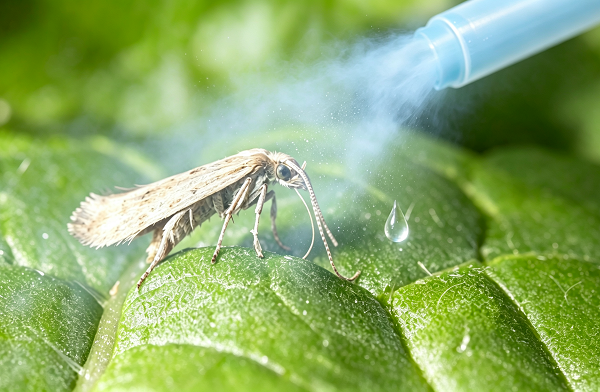
Celastrus Angulatus Extract: Active Compounds and Insecticidal Mechanisms
Unlike conventional synthetic pesticides, plant-based insecticides contain natural bioactive compounds that interact with insects in multiple ways. Celastrus Angulatus Extract comes from Celastrus angulatus, a traditional medicinal plant known for its rich secondary metabolites. Modern research has identified several insecticidal compounds in this plant, especially celangulins and sesquiterpene polyol esters.
For pesticide formulators or raw material distributors, understanding the active ingredients and insecticidal mechanisms of Celastrus Angulatus Extract helps in evaluating product quality and application potential.
The Unique Chemical Profile of Celastrus Angulatus Extract
The insecticidal activity of Celastrus Angulatus Extract comes from its complex chemical composition. The plant contains various secondary metabolites that protect itself from insect damage. These natural compounds also provide valuable functions in agricultural pest control.
The most important chemical group in Celastrus Angulatus is sesquiterpene polyol esters. These compounds contain a characteristic β-dihydroagarofuran structure. This unique structure contributes to their biological activity and makes them valuable natural insecticidal molecules.
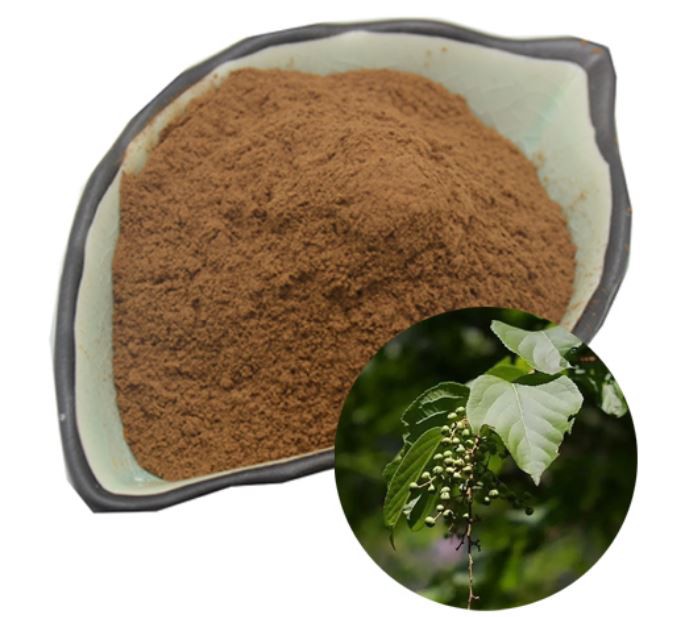
Among these compounds, celangulins are considered the key active components. Scientists have identified several types of celangulins, including Celangulin I, II, III, IV, and V. These compounds show strong biological effects against different insect species.
The chemical profile of Celastrus Angulatus Extract can vary depending on several factors:
- Plant origin and growing conditions
- Harvesting time
- Extraction technology
- Purification methods
- Storage conditions
Key Active Compounds Responsible for Insecticidal Activity
1. Celangulins: The Major Insecticidal Components
Celangulins are the primary active ingredients responsible for pest control. Researchers have identified over a dozen distinct celangulin compounds, with Celangulin I and Celangulin V showing the strongest biological performance. These molecules act quickly upon ingestion, disrupting normal cellular function within the pest’s body.
2 Sesquiterpene Polyol Esters: Structural Basis of Activity
The sesquiterpene polyol ester core acts as the chemical engine of the extract. The attached ester side-chains govern how well the compound penetrates the insect cuticle and gut lining. Small changes in these chemical chains significantly alter how fast the pesticide works.
3 Other Bioactive Compounds in Celastrus Angulatus
Beyond celangulins, the extract contains minor alkaloids, flavonoids, and sterols. While these secondary metabolites show lower standalone toxicity, they work synergistically. They help stabilize the active compounds and inhibit insect detoxifying enzymes.
How Celastrus Angulatus Extract Works Against Insects
Celastrus Angulatus Extract does not work through only one pathway. Instead, its active compounds affect insects through several biological mechanisms.
1 Antifeedant Activity: Reducing Insect Feeding Behavior
When pests taste treated foliage, the active molecules trigger immediate feeding deterrence. The insects stop eating within minutes, effectively preventing crop damage even before the pest dies.
2 Stomach Toxicity: Disrupting Insect Digestion
Stomach action represents the strongest mechanism of this extract. Once ingested, celangulins break down the midgut epithelial cells of the insect. This leads to membrane lysis, severe nutrient starvation, and fast mortality.
3 Contact Toxicity and Nervous System Effects
Although stomach poisoning is primary, direct contact with the extract also yields strong results. The active molecules penetrate the pest’s outer exoskeleton, disrupting nerve signal transmission by inhibiting key enzymes like acetylcholinesterase (AChE).
4 Growth and Development Inhibition
Sub-lethal exposure disrupts hormone regulation in young larvae. Immature pests experience abnormal molting, stunted growth, or complete failure to reach adulthood, effectively breaking the pest reproduction cycle.
Target Insects Controlled by Celastrus Angulatus Extract
Celastrus Angulatus Extract has shown potential against various agricultural pests. Its natural insecticidal properties make it suitable for botanical pesticide formulations and integrated pest management programs.
| Common Name | Primary Crop Impacted | Primary Mode of Action |
| Diamondback Moth | Vegetables, Brassicas | Stomach Toxicity & Antifeedant |
| Cotton Bollworm | Cotton, Tomatoes | Feeding Deterrence |
| Cabbage White Butterfly | Cruciferous Crops | Gut Cell Lysis |
| Aphids | Greenhouses, Fruit Trees | Contact & Knockdown |
| Armyworm | Maize, Soybeans, Vegetables | Growth Inhibition |
Factors Affecting Insecticidal Performance
To maximize field performance, you should consider several key factors:
- Ultraviolet (UV) Sunlight: Direct sunlight can degrade raw sesquiterpene esters within 48 hours. Formulators should include eco-friendly UV stabilizers.
- Solution pH: Active compounds remain most stable in neutral to slightly acidic conditions (pH 5.5 – 6.5). Highly alkaline tank mixes reduce potency.
- Emulsifier Selection: Natural surfactants improve leaf surface spreading and enhance cuticle penetration.
- Storage Temperature: Bulk raw extract requires cool, dry storage conditions to preserve active compound stability over extended shipping periods.
Future Prospects of Celastrus Angulatus Extract in Sustainable Agriculture
The agricultural market is shifting toward Integrated Pest Management (IPM) systems. Celastrus angulatus extract meets all key criteria for sustainable agriculture: low environmental persistence, safety for non-target organisms, and zero synthetic residues. As regulations continue to phase out toxic synthetic chemicals, this botanical extract offers manufacturers a dependable path toward green-label pest management products.
Quality Evaluation of Commercial Celastrus Angulatus Extract
When sourcing raw materials for plant-derived pesticides, you need to focus on quality and production support.
A professional Celastrus Angulatus Extract supplier should provide:
Active Ingredient Testing
Analytical testing plays an important role in commercial supply. Common quality tests include:
- HPLC analysis for active compounds
- TLC identification
- Moisture testing
- Microbial testing
- Heavy metal analysis
These tests help ensure safety and batch consistency.
Manufacturing Experience and Documentation
You should evaluate suppliers based on production capability and quality systems.
Important Celastrus Angulatus Extract supplier information includes:
- Manufacturing experience
- Production capacity
- Quality control procedures
- Technical support
- Documentation availability
At Green Agri, we focus on providinBotanical Pesticide Materials high-quality botanical pesticide ingredients with strict quality control and professional manufacturing experience. Our Celastrus Angulatus Extract is developed for customers seeking reliable natural insecticide solutions.
We provide comprehensive technical documentation including COA, production flow charts, and Certificates of Origin, and support sample requests for testing.
Contact us now!
References
Liu, X. L., & Zhang, Y. G. “Isolation and Characterization of Sesquiterpene Alkaloids from Celastrus angulatus and Their Insecticidal Potential.” Journal of Agricultural and Food Chemistry, 2018.
Wang, Z. H., Chen, M., & Wu, W. J. “Insecticidal Mechanisms of Celangulin I on Midgut Epithelial Cells of Lepidopteran Larvae.” Pesticide Biochemistry and Physiology, 2019.
Zhang, R., & Zhao, B. “Comparative Toxicity and Antifeedant Activity of Botanical Extracts Against Plutella xylostella.” Pest Management Science, 2020.
Chen, Y. L., et al. “Stability and Field Efficacy Optimization of Eco-friendly Celastrus angulatus Formulations.” Industrial Crops and Products, 2021.
Huang, J., & Sun, Q. “Synergistic Effects of Minor Metabolites in Celastrus angulatus Root Bark Extracts.” Phytochemistry, 2022.