Wholesale Toosendanin Technical Material for Botanical Pesticide Manufacturers
Are you looking to expand your eco-friendly product line? Modern agriculture faces huge pressure to cut down on synthetic chemicals. Because of this shift, botanical pesticides are seeing incredible demand worldwide.
Toosendanin Technical Material is one of the promising botanical pesticide ingredients derived from Melia azedarach. It offers insect growth regulation, feeding inhibition, and pest management benefits for agricultural applications.
For pesticide formulators, sourcing high-quality Toosendanin TC requires more than competitive pricing. Manufacturers need stable supply, accurate specifications, reliable testing, and professional technical support.
As a Botanical Pesticide Materials Manufacturer, in this guide, we explains the key factors that help buyers select premium wholesale Toosendanin Technical Material for developing effective botanical pesticide products.
Toosendanin: The Powerhouse Active Ingredient from Melia azedarach
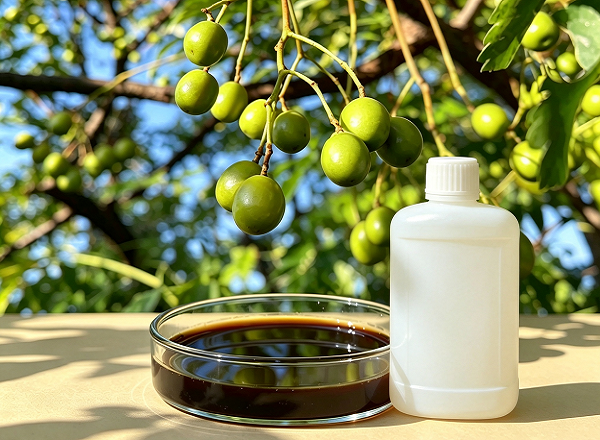
Toosendanin is a natural limonoid compound extracted from the fruits and bark of Melia azedarach, commonly known as chinaberry tree. It belongs to the triterpenoid family and shows strong biological activity against many agricultural pests.
For decades, researchers have studied Toosendanin because of its insecticidal properties. Unlike many synthetic pesticides, Toosendanin works through multiple biological pathways.
It can reduce insect feeding behavior and affect insect development stages. It also shows potential as an insect growth regulator by interfering with normal molting processes.
Common target pests include:
- Aphids
- Caterpillars
- Leaf miners
- Whiteflies
- Other chewing and sucking insects
For botanical pesticide manufacturers, Toosendanin provides a natural active option for developing eco-friendly crop protection products.
Toosendanin Extraction and Manufacturing Process
The quality of technical-grade toosendanin depends largely on extraction techniques and production controls.
Toosendanin manufacturers typically select either the fruit or the bark of the Melia toosendan tree for extraction. Bark extracts exhibit potent insecticidal activity and good solubility, making them suitable for pesticide formulations. Fruit extracts—containing active compounds such as toosendanin—offer a faster knockdown effect against soft-bodied insects like aphids and planthoppers, though they are less stable under high-temperature processing conditions; they are commonly used in botanical pesticide mixtures.
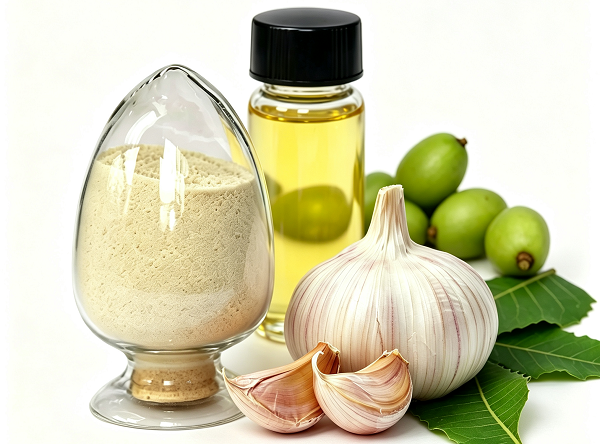
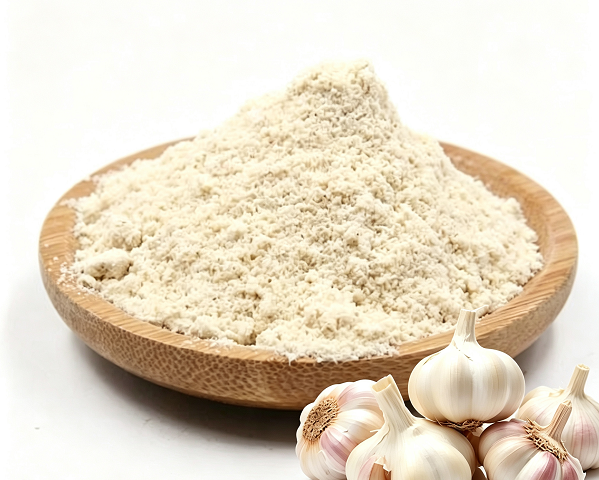
The extracts are available in both liquid and powder forms; below, we outline a typical extraction process for the powder form:
- Raw Material Preparation: Pulverize the Melia toosendan fruit (or bark).
- Solvent Preparation: Prepare an ethanol solution of a specific concentration to serve as the extraction solvent.
- Extraction: Load the raw material into the extractor, add ethanol at a specific solid-to-liquid ratio, and perform extraction via heating and refluxing for a set period.
- Concentration and Drying: After extraction, concentrate the extract under vacuum to recover the majority of the ethanol, yielding a crude toosendanin extract. This can then be further processed via spray drying.
How Toosendanin Controls Key Crop Pests
Toosendanin does not simply kill insects through direct toxicity. Its main advantage comes from its unique biological effects.
One important mechanism is feeding inhibition. When insects contact Toosendanin, they may reduce their feeding activity. This helps protect crops from continuous damage.
Another key function involves insect growth regulation. Toosendanin can influence insect development and reduce successful reproduction.
Its multiple action modes provide several benefits:
Reduced pest pressure:
Toosendanin helps decrease insect populations over time.
Lower resistance risk:
Multiple biological effects may slow resistance development compared with single-target chemicals.
Compatibility with integrated pest management:
It can support sustainable pest control programs.
Because of these advantages, Toosendanin is attracting attention from companies developing biological insecticides, organic farming solutions, and low-residue agricultural products.
Key Technical Specifications to Look for in Wholesale Toosendanin TC
When you purchasing wholesale Toosendanin Technical Material, buyers should evaluate several important specifications.
1. Active Content
The Toosendanin percentage directly affects formulation performance. Suppliers should clearly provide assay results and testing methods.
2. Appearance and Physical Properties
High-quality Toosendanin TC usually shows consistent appearance, color, and solubility characteristics.
3. Purity and Identification
Reliable suppliers should provide HPLC chromatograms and batch test reports. These documents confirm ingredient identity and concentration.
4. Documentation Support
Professional suppliers should provide:
- COA
- Specification sheet
- SDS
- Technical data
- Stability information
These documents help buyers complete internal approval processes and regulatory submissions.
Developing High-Performance EC, EW, and SC Products
Formulators use Toosendanin TC to create several commercially viable liquid formulations. Each format serves distinct market preferences and crop application needs.
Emulsifiable Concentrates (EC)
Traditional EC formulations provide high bioefficacy. Toosendanin dissolves easily in organic solvent mixtures. Adding non-ionic surfactants ensures stable emulsions upon field dilution.
Emulsions in Water (EW)
EW formulations reduce solvent usage. They offer a safer working environment and lower phytotoxicity. They require specialized high-shear emulsification equipment during production.
Suspension Concentrates (SC)
SC formats eliminate organic solvents entirely. Wetting agents and dispersants suspend finely milled Toosendanin particles in water. This format aligns perfectly with organic farming standards.
Combining Toosendanin with Other Active Ingredients
Blending Toosendanin with different botanical extracts may provide broader pest management solutions. For example, some manufacturers explore combinations with neem-based ingredients, pyrethrins, matrine, or other plant-derived actives.
Combination products may offer several advantages:
- Broader pest control spectrum
- Improved field performance
- Reduced dependence on synthetic chemicals
- Support for resistance management strategies
However, successful combinations require professional formulation studies. Different active ingredients may affect each other during storage or application.
Before commercial production, manufacturers should evaluate:
- Chemical compatibility
- Stability under different temperatures
- Active ingredient retention
- Field application performance
A reliable Toosendanin Technical Material supplier should provide technical documents and support formulation trials. This cooperation helps pesticide companies create stable and competitive products for different agricultural markets.
Navigating global pesticide registration requires robust regulatory dossiers. Toosendanin holds a favorable toxicological profile compared to synthetic chemicals.
Key Regulatory Advantage: Toosendanin degrades rapidly in soil and water. It leaves minimal residue on harvested crops, making it ideal for export-oriented produce with strict residue limits.
Safety Overview
- Low Mammalian Toxicity: Oral LD50 values indicate low acute toxicity to mammals.
- Ecotoxicological Safety: Safe for non-target beneficial insects when applied at recommended rates.
- Environmental Fate: Quick photodegradation prevents persistence in runoff water.
Quality Assurance & Supply Chain Stability in Bulk Toosendanin Sourcing
For pesticide manufacturers, supply stability is as important as ingredient quality.
A reliable Toosendanin supplier should maintain strict quality management throughout the entire supply chain.
Key quality assurance practices include:
1. Raw Material Control
The supplier should verify the botanical source and ensure consistent raw material quality.
2. Production Monitoring
Manufacturing processes should follow standardized procedures. Each production batch should receive quality testing before shipment.
3. Batch Consistency
Consistent active content helps formulators maintain stable product performance.
4. Packaging and Storage
Proper packaging protects Toosendanin Technical Material from moisture, contamination, and degradation.
Supply chain transparency is also important for long-term cooperation. Buyers should consider:
- Production capacity
- Lead time
- Export experience
- Inventory management
- Customer support
Working with a stable manufacturer helps companies avoid production delays and market shortages.
For global pesticide brands and distributors, a dependable supply partner creates long-term business advantages.
Partnering with an Experienced Toosendanin Manufacturer
Choosing the right technical material supplier shapes your business success. A reliable manufacturing partner provides more than just raw technical powder.
What to Expect from a Quality Partner
- Full technical dossier assistance for local pesticide registration.
- Custom formulation guidance for liquid emulsion production.
- Flexible packaging solutions from 1 kg tins to 25 kg fiber drums.
- Transparent production tracking and consistent bulk lead times.
Partner with a Trusted Toosendanin Technical Material Supplier
Looking for Wholesale Toosendanin Technical Material for botanical pesticide production?
Green Agri is a toosendanin manufacturer, we supply toosendanin powder and toosendanin liquid.
Contact us now for the best quote, samples, and COA to help you achieve greater profits!
Also See
Matrine vs. Synthetic Pesticides: A Comprehensive Comparison
Embrace Rotenone for a Sustainable Future
Rotenone Powder For Sale: Aquaculture of Application & Dosage
References
Schmutterer H. Properties and potential of natural pesticides from the neem tree and related plants. Annual Review of Entomology.
Isman M.B. Botanical insecticides, deterrents, and repellents in modern agriculture and an increasingly regulated world. Annual Review of Entomology.
Kubo I., Klocke J.A. Natural plant products as sources of insect control agents. American Chemical Society Symposium Series.
National Research Council. Alternative Agriculture: Botanical Pest Management and Sustainable Crop Protection.
Tangtrakulwanich K., Reddy G.V.P. Botanical insecticides and their role in sustainable pest management. Journal of Biopesticides.