Natural Dog Food Preservatives Used in Premium Pet Food Formulations
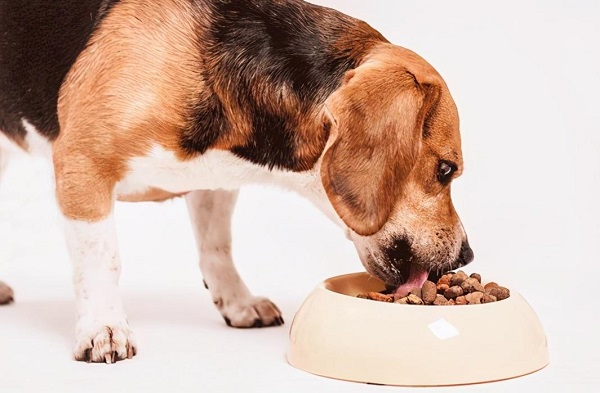
Today, pet owners have an increasing demand for dog food with clean labels and safer ingredients. Premium dog food brands are also gradually moving away from synthetic preservatives and adopting natural dog food preservatives. Natural ingredients not only help extend shelf life but also meet the pet market’s expectations for healthy and minimally processed pet products.
So what are some natural preservatives for dog food? How do you choose the right natural preservatives for your formula? This article will discuss these questions.
Why Are Premium Pet Food Brands Shifting to Natural Preservation?
Pet owners today often consider their pets family members, so they scrutinize ingredient lists more closely and increasingly avoid artificial preservatives such as BHA, BHT, and ethoxyquin. They place greater emphasis on ingredient safety and traceability.
Natural preservatives, such as blended tocopherols and rosemary extract, are widely recognized. These natural preservatives often also offer practical health benefits. Many natural antioxidants do more than just stabilize fats; they can also enhance a dog’s immune system and cellular health. By using these ingredients, premium brands can create multi-functional dog foods and supplements.
Common Natural Dog Food Preservatives Used in Formulations
Premium pet food formulations typically incorporate a combination of natural preservatives to achieve optimal stability and safety. These ingredients are selected based on their antioxidant, antimicrobial, or moisture-controlling properties.
Commonly used natural dog food preservatives include:
1. Mixed Tocopherols
One of the most widely used natural antioxidants, mixed tocopherols help prevent lipid oxidation in fat-rich dog food products. They are especially effective in dry kibble and treats, where fat stability is critical for shelf life and palatability.
2. Rosemary Extract
Derived from the Rosmarinus officinalis plant, rosemary extract contains carnosic acid and rosmarinic acid. It is exceptionally powerful at stabilizing animal fats and is often used in combination with tocopherols to create a synergistic effect.
3. Ascorbic Acid
While not as potent a fat stabilizer as Vitamin E on its own, Vitamin C acts as a “synergist.” In a formulation, it helps regenerate Vitamin E molecules after they have neutralized free radicals, essentially extending the life of the other preservatives in the bag. It also provides a minor boost to the pet’s immune system.
4. Citric Acid
Extracted from citrus fruits, citric acid acts as a chelating agent. It binds to metal ions that might otherwise catalyze the oxidation process, further protecting the food from going rancid.
5. Essential Oils
Essential oils such as thyme, oregano exhibit antimicrobial and antifungal properties. While effective, their use requires careful dosage control to ensure palatability and safety.
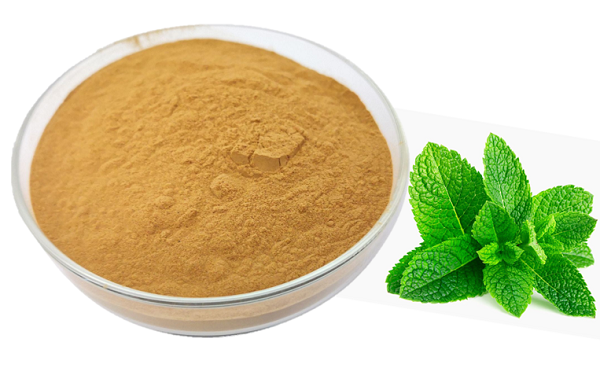
6. Green Tea and Spearmint Extracts
They contain polyphenols that provide additional oxidative stability. These extracts are particularly favored in clean label marketing because they are easily recognizable to consumers as healthful ingredients.
Natural Preservatives vs. Synthetic
The primary difference between natural and synthetic preservatives lies in their origin, consumer perception, and functional performance.
| Feature | Natural Preservatives | Synthetic Preservatives (BHA, BHT, Ethoxyquin) |
| Source | Plants, fruits, and vitamins. | Chemically synthesized. |
| Shelf Life | Typically 10–12 months. | Can exceed 18–24 months. |
| Safety Perception | Highly safe. often provide nutritional value. | Controversial. |
| Cost | Higher. increases the price of the final product. | Lower. cost-effective for mass-market brands. |
Regulatory Considerations for Natural Preservatives in Pet Food
In the United States, preservatives must be approved by the FDA or recognized as GRAS (Generally Recognized As Safe). The Association of American Feed Control Officials (AAFCO) also provides strict labeling guidelines that brands must follow to maintain transparency.
If a preservative is added to a dog food, the label must state its common or usual name followed by a clear statement of its purpose, such as “preserved with mixed tocopherols” or “a source of Vitamin E.”
How to Select the Right Natural Preservatives for Different Formulations?
Selecting the appropriate natural preservative system depends on several formulation-specific factors:
- Product Type: Dry kibble, wet food, freeze-dried products, and treats each require different preservation strategies. For example, dry products rely heavily on antioxidants, while wet foods require antimicrobial agents.
- Moisture Content: Higher moisture levels increase the risk of microbial growth, necessitating stronger antimicrobial preservation systems.
- Fat Source Sensitivity: Diets rich in fish oils are highly unstable and prone to rapid oxidation. These recipes require higher concentrations of mixed tocopherols and rosemary extract to prevent the fish oil from turning rancid.
- Target Shelf Life: Premium products often aim for extended shelf life without compromising quality, which may require synergistic combinations of multiple natural preservatives.
Green Agri is a botanical pet food ingredients manufacturer, specializing in natural dog food preservatives. We offer flexible bulk ordering options and highly competitive pricing, and support the submission of documents such as COA, specification sheet, SDS, and flowchart. Ready to choose reliable natural preservatives for your dog food product line?
Contact us today!
Reference
Association of American Feed Control Officials. (n.d.). Natural pet food definition and labeling guidelines. Retrieved from AAFCO official website.
Case, L. P., Daristotle, L., Hayek, M. G., & Raasch, M. F. (2011). Canine and Feline Nutrition (3rd ed.). Elsevier.
Institute for Environmental Research and Education (IERE). (2025). Are there preservatives in fresh pet dog food?
Petfood Industry. (2024). Rosemary extract as antioxidant for cats and dogs authorized by the European Commission.
Pet Food Decoded. (2026). Natural preservatives in pet food: functions and labeling considerations.
ScienceDirect. (n.d.). Pet foods: use of natural antioxidants and preservation systems.
Dzanis, D. A. (2008). Regulation of pet food additives and preservatives in the United States. Topics in Companion Animal Medicine.
Buff, P. R., Carter, R. A., Bauer, J. E., & Kersey, J. H. (2014). Natural pet food: A review of natural diets and their impact on canine and feline health. Journal of Animal Science, 92(9), 3781–3791.