Why Brewers Yeast in Dog Food Is Gaining Popularity?
Brewers yeast originates from Saccharomyces cerevisiae, a non-active yeast produced during the beer brewing process. Traditionally used as a protein and flavor enhancer, brewers yeast is now increasingly recognized as a functional ingredient that supports overall canine health.
As the market demands higher quality, scientifically validated nutrition, brewers yeast has evolved from a supplementary additive to a core ingredient in many premium dog food formulations.
Market Drivers Behind Its Growing Popularity
Several market trends are accelerating the adoption of brewers yeast in dog food:
- Demand for functional ingredients: Pet owners are seeking foods that provide health benefits beyond basic nutrition.
- Natural and clean-label products: Modern pet owners tend to choose natural, easily identifiable ingredients, and brewers yeast is considered one such natural ingredient.
- Health Awareness: With increasing public concern about pet allergies and digestive issues, the market demand for natural solutions that can provide gut health and immunity is also growing.
Source and Processing of Brewers Yeast
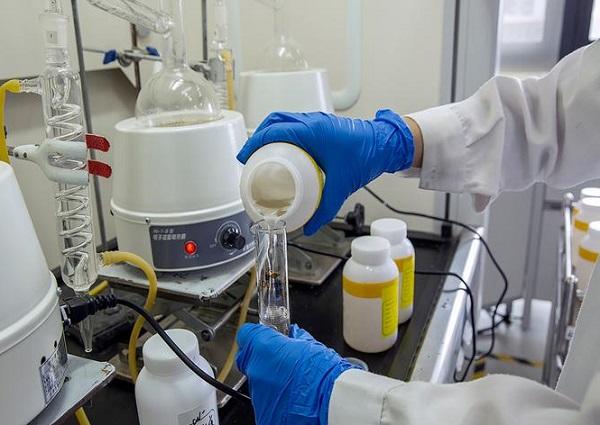
Brewers yeast powder is primarily a product obtained by processing waste yeast generated during beer production. This process not only achieves resource recycling but also transforms yeast into a nutrient-rich, easily absorbed functional pet food ingredient.
The common production process for brewers yeast powder is as follows:
- Raw Material Pretreatment: Yeast sludge is collected from breweries and separated from beer using a filter or yeast centrifuge.
- Purification and Debittering: The separated yeast contains bitter substances from hops and some impurities, requiring purification and debittering treatment.
- Cell Wall Disruption and Enzymatic Hydrolysis: Yeast cells have tough cell walls, if these are not broken, pets cannot absorb their rich nutrients.
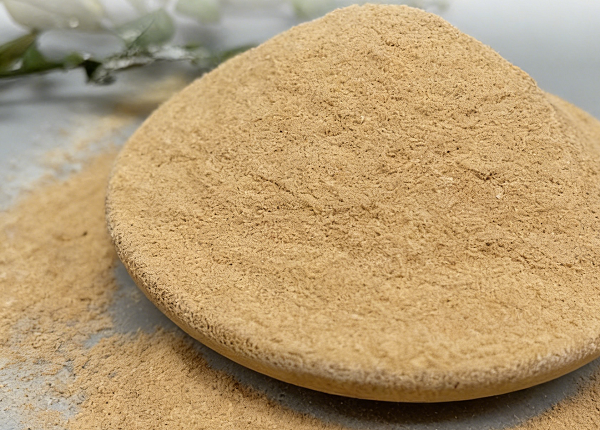
- Drying: The product after cell wall disruption and enzymatic hydrolysis is then dried to obtain a light yellow powder of brewers yeast powder with a yeast aroma.
Nutritional Composition of Brewers Yeast
Brewers yeast is rich in nutrients and is an excellent source of protein, vitamins, and minerals, making it ideal for enhancing dog food formulations.
- High-quality protein, includes all ten essential amino acids required by dogs.
- B-complex vitamins, such as thiamine, riboflavin, niacin, and biotin.
- Essential minerals including selenium, zinc, and chromium
- Functional Fibers, contains Beta-glucans and Mannan-oligosaccharides (MOS), which are vital for immune and gut health.
Key Health Benefits for Dogs
Brewers yeast provides multiple health benefits that contribute to its growing use in dog food:
- Digestive Health Support: MOS and beta-glucans from yeast help modulate the gut microbiota and promote beneficial bacteria growth.
- Immune System Enhancement: Research shows that yeast-derived beta-glucans can improve immune response and reduce oxidative stress.
- Skin and Coat Improvement: The B-vitamin complex in brewers yeast promotes a shiny,
- Improved Nutrient Utilization: Supplementing with yeast is associated with improved digestibility and nutrient absorption, which helps improve a dog’s overall health and vitality.
Advantages in Dog Food Formulations
From a formulation perspective, brewers yeast offers several advantages:
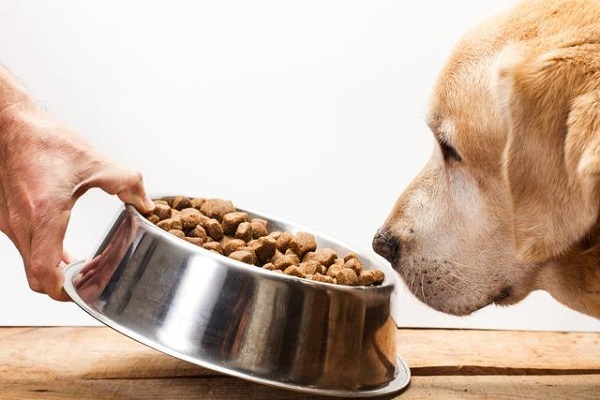
- Natural palatability enhancer: Its umami flavor improves feed acceptance in dogs.
- Alternative protein source: It can partially replace animal proteins without compromising digestibility.
- Functional ingredient: Supports gut health, immunity, and overall wellness.
- Cost-effective solution: As a fermentation by-product, it is relatively economical.
Brewers Yeast Interaction with Other Functional Ingredients
Brewers yeast works synergistically with other functional ingredients commonly used in dog food, such as:
With Omega-3 Oils: When combined with fish or flaxseed oil, the skin-supporting effects are multiplied, providing a comprehensive barrier against allergens.
With Probiotics: While brewers yeast is a prebiotic, pairing it with live probiotics creates a “synbiotic” effect that optimizes the canine microbiome.
Bulk Brewers Yeast Powder Supplier Green Agri
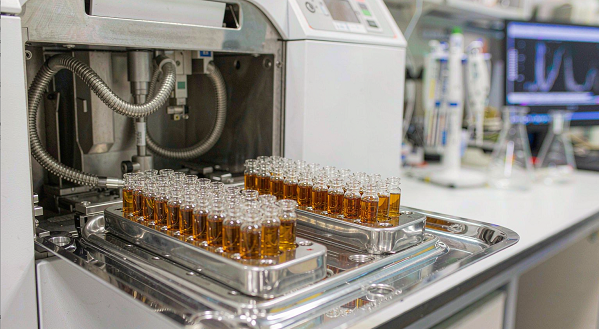
For pet food brands, choosing a reliable brewers yeast powder supplier is crucial. Green Agri is a dog food ingredient supplier, specializes in providing bulk brewers yeast powder for dog food. It’s a brownish-yellow powder, TLC tested, and has 1000KG in stock.
Green Agri ensures consistent product quality and a stable supply, highly competitive pricing for bulk orders, and provides technical documentation including COA, Specifications, and SDS. Ready to choose the right brewers yeast powder for your pet food production line? Contact us today for a quote!
Also See
How Yeast Extract Improving Pet Food Palatability: Bulk Ingredients Supplier
Is Yeast Extract Safe for Dogs? Pet Supplement Manufacturers Guide
How Yeast Hydrolysate Enhances Feed Palatability: Bulk Ingredients Supplier
Wholesale Yeast Hydrolysate Price: For Animal Feed
Reference
Van den Abbeele, P., Duysburgh, C., Rakebrandt, M., & Marzorati, M. (2020). Dried yeast cell walls high in beta-glucan and mannan-oligosaccharides positively affect microbial composition and activity in the canine gastrointestinal tract in vitro. Journal of Animal Science, 98(6), skaa173.
Marchi, P. H., Vendramini, T. H. A., & Zafalon, R. V. (2024). Effects of increasing levels of purified beta-glucans on the fecal microbiome, digestibility, and immunity variables of healthy adult dogs. Microorganisms, 12(1), 113.
Ferreira, G. S., et al. (2022). Metabolic variables of obese dogs with insulin resistance supplemented with yeast beta-glucan. BMC Veterinary Research.
De La Guardia-Hidrogo, M., et al. (2024). Effects of yeast-enriched functionalized canola meal supplementation on digestibility, fecal microbiota, and immune function of dogs. Journal of Animal Science / Related studies