Rosemary Extract Liquid vs. Powder: Uses in Pet Food
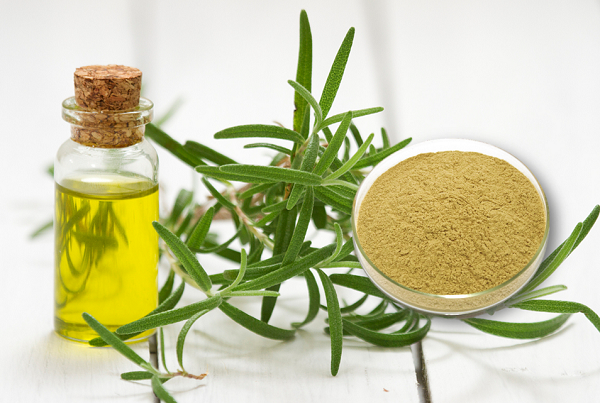
Rosemary extract, derived from the leaves of the Rosmarinus officinalis plant. Recently, it has gained attention in the pet food industry. Rosemary extract is typically available in both liquid and powder forms. Both forms retain the beneficial components of rosemary, such as rosmarinic acid, caryopsisic acid, and ursolic acid. Both liquid and powder extracts offer advantages when used in pet food.
This article will explore the differences between rosemary extract liquid and powder, highlight their individual benefits, and explain how each is used in formulating pet foods.
What is Rosemary Extract?
Rosemary extract packs antioxidants, compounds that help neutralize free radicals in the body and prevent oxidative stress. In addition to its antioxidant properties, rosemary extract also provides anti-inflammatory, antimicrobial, and cognitive-enhancing effects. These characteristics make it an appealing ingredient in pet food.
In pet food, rosemary extract serves several functions. It not only improves the flavor and palatability of the food but also extends the shelf life by acting as a natural preservative. Its potential health benefits can support pets’ immune systems, help maintain their coat and skin health, and even improve cognitive function in aging pets.
Liquid Rosemary Extract: Characteristics and Uses
Liquid rosemary extract is typically made by soaking rosemary leaves in alcohol to extract the active compounds. This form is highly concentrated and can be added directly to pet food recipes or supplements. The primary advantage of liquid rosemary extract is its rapid absorption and easy incorporation into liquid-based formulations, such as liquid supplements or wet pet foods.
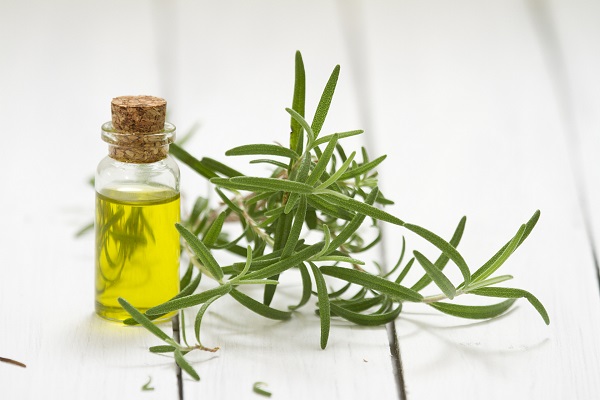
Uses of Liquid Rosemary Extract in Pet Food
- Preservation: One of the most popular uses of liquid rosemary extract is as a natural preservative. Its antioxidant properties help prevent the oxidation of fats in pet food, preserving the nutritional quality of the food and reducing rancidity. This is particularly important in pet food products that contain high levels of omega-3 fatty acids or other unsaturated oils.
- Flavor Enhancement: Liquid rosemary extract can be used to enhance the flavor of pet foods, especially in wet food products. It provides a savory, aromatic quality that is appealing to many pets, including dogs and cats. This can help encourage pets to eat their food.
- Anti-inflammatory and Digestive Aid: Liquid rosemary extract, when included in appropriate doses, can help support digestive health. Its anti-inflammatory properties can soothe irritated digestive systems, making it a great option for pets with sensitive stomachs or conditions like IBS.
- Skin and Coat Health: Rosemary supports the health of the skin and coat, so you can include liquid rosemary extract in formulations for pets with skin conditions or dry coats. The extract promotes circulation to the skin, which can enhance overall skin health and coat appearance.
Rosemary Extract Powder: Characteristics and Uses
Rosemary extract powder is generally obtained by extracting rosemary and then concentrating and spray drying it to obtain a powder of a specified mesh size. Rosemary extract powder is a versatile ingredient in dry pet food formulations, as it blends easily with other powdered ingredients.
Uses of Rosemary Extract Powder in Pet Food
- Natural Preservative in Dry Foods: Just like its liquid counterpart, rosemary extract powder is commonly used in dry pet foods as a natural preservative. It helps extend shelf life by preventing the oxidation of fats and oils in kibble and treats.
- Nutritional Boost: You can add rosemary extract powder to pet food to enhance its nutritional profile. Its high antioxidant content can support immune function, protect against cellular damage, and slow down the aging process in pets.
- Cognitive Support for Aging Pets: People believe rosemary has neuroprotective properties, which can benefit aging pets. Rosemary powder, when added to pet food, can support cognitive function and may help slow the progression of age-related cognitive decline in senior pets.
- Joint and Mobility Health: The anti-inflammatory properties of powdered rosemary extract can benefit pets with joint issues or arthritis. Adding powdered rosemary extract to pet food can help reduce inflammation, alleviate pain, and improve mobility in affected pets.
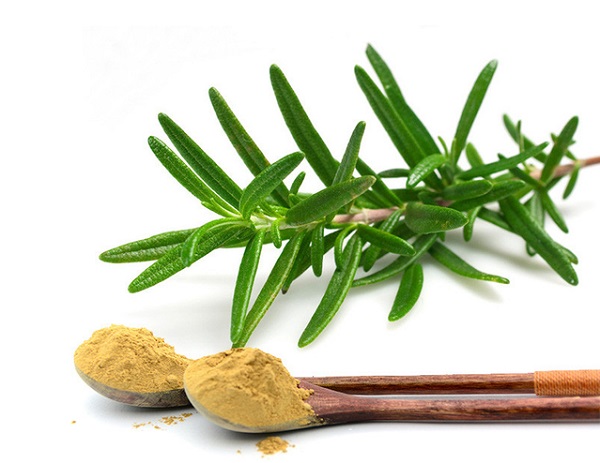
Liquid vs. Powder: Key Differences
Both liquid and powdered forms of rosemary extract offer similar benefits, but their physical characteristics make them suitable for different applications.
| Feature | Liquid Rosemary Extract | Powdered Rosemary Extract |
|---|---|---|
| Ease of Use | Easy to mix into liquid-based foods or supplements | Ideal for dry foods, treats, and formulations with powdered ingredients |
| Absorption | Rapid absorption into the pet body | Slower absorption, but still effective over time |
| Preservation | Acts as a preservative for wet and liquid-based products | Acts as a preservative in dry foods and treats |
| Flavor Profile | Provides a savory, aromatic flavor | Mild, earthy flavor that enhances food’s overall taste |
| Storage | Requires careful storage to prevent degradation | Easier to store and handle, with a longer shelf life |
Which Form is Better for Pet Food?
Whether you choose liquid or powder form for rosemary extract ultimately depends on the type of pet food you’re producing and the expected benefits. Both forms are effective, but each has its unique uses.
For Wet Foods and Supplements: Liquid rosemary extract is the better choice for products like wet dog food, liquid supplements, or pet treats with a high moisture content. Its easy integration into these formulations.
For Dry Foods and Kibble: Rosemary extract powder is more suitable for dry pet foods, including kibble, snacks, and treats. It blends well with other dry ingredients and provides long-lasting freshness and flavor in these formulations.
Safety Considerations and Dosage
Both liquid and powdered rosemary extract are generally safe for pets when used in appropriate amounts. However, excessive amounts can lead to gastrointestinal upset or other adverse reactions. You should follow established guidelines for the proper inclusion rates of rosemary extract, ensuring you use it as a supplement and not a primary ingredient.
The typical recommended dosage of rosemary extract varies depending on the form used and the pet’s size and health needs. For most pet food applications, the extract should make up no more than 0.1-0.5% of the total formulation. It is always advisable to consult with a veterinarian before adding new ingredients to a pet’s diet.
What Can We Offer to Manufacturers and Distributors?
As a pet food ingredients manufacturer, Green Agri provides both liquid and powdered rosemary extract options tailored to the specific needs of pet food manufacturers and distributors. We offer flexible bulk ordering options and highly competitive pricing, and support the submission of documents such as COA, specification sheet, SDS, and flowchart. We maintain a 1000KG inventory in our US warehouse, ensuring short delivery times. This makes our extracts easily accessible to businesses of all sizes. Whether you need a natural preservative for dry kibble or a flavor-enhancing supplement for wet pet foods, we formulate our rosemary extracts to meet the highest standards of quality and safety.
Contact us now!
Also See
Why Yorkshire Terrier Wet Food Contain Rosemary Extract
Is Ground Turkey With Rosemary Extract Safe For Dogs
Can Dogs Have Rosemary Extract
Wholesale Chamomile Extract Use Best Tear Stain Remover For Dogs
How Much Cinnamaldehyde Is in Cinnamon