
Replacing Synthetic Insecticides: How Stemona Japonica Extract Solves Pest Resistance
For decades, modern agriculture has relied heavily on synthetic chemical insecticides to protect crops and maintain high yield rates. However, this reliance has created a global crisis: widespread pest resistance, degraded soil biology, and increasingly strict global export regulations on chemical residues. To protect crop productivity and comply with sustainable agricultural standards, agricultural distributors, commercial growers, and pest management professionals are turning to powerful botanical alternatives.
Botanical insecticides offer another direction for crop protection. Stemona japonica, a plant in the Stemonaceae family, contains natural alkaloids that have shown insecticidal activity in scientific studies. These compounds make Stemona japonica extract a candidate for botanical pesticide research and integrated pest management (IPM).
Although more research is needed to confirm its field performance and resistance-management value, this plant-based ingredient may offer useful opportunities for agricultural formulators seeking new pest control tools.
Why Traditional Insecticides Are Failing Modern Agriculture
Synthetic pesticides—particularly organophosphates, carbamates, and synthetic pyrethroids—rely on singular chemical pathways to eliminate target insects. When growers apply these chemicals repeatedly over multiple generations, natural selection accelerates:
-
Rapid Selection Pressure: The few insects possessing metabolic defenses survive treatment and pass those resistant genes to their offspring.
-
Elevated Application Costs: As resistance builds, growers must apply higher doses or increase spraying frequency, inflating input costs while reducing overall ROI.
-
Regulatory Restrictions: Global markets continue to tighten Maximum Residue Limits (MRLs) and ban persistent synthetic active ingredients, leaving commercial growers with fewer legal toolkits.
This cycle of diminishing returns forces commercial supply chains to seek sustainable, multi-action alternatives that control resistant populations without triggering trade barriers.
Unveiling Stemona japonica: A Botanical Solution
Stemona japonica is a perennial herb deeply rooted in traditional East Asian agriculture and botany. Historically valued for its insecticidal properties, modern agricultural biotechnology has enabled the standard extraction and concentration of its primary active compounds.
Unlike broad-spectrum synthetic neurotoxins that degrade soil biomes, high-purity Stemona japonica root extract acts as a targeted bio-insecticide. It delivers strong control against destructive agricultural pests while leaving minimal environmental footprints, making it an ideal candidate for commercial biopesticide formulations.
Active Alkaloids in Stemona japonica
The protective efficacy of Stemona japonica lies in its specialized chemical architecture. The primary bio-active constituents belong to the Stemona alkaloid family, which features a unique pyrrolo[1,2-a]azepine core structure.
Key identified active compounds include:
-
Stemonine: The most abundant alkaloid responsible for disrupting insect nervous and respiratory systems.
-
Tuberostemonine: Demonstrates strong anti-feedant properties and contact toxicity.
-
Stemonidine & Isostemonidine: Secondary alkaloids that work synergistically to boost overall efficacy against resistant insects.
Because Stemona japonica extract contains a natural matrix of interacting alkaloids rather than a single synthetic molecule, it presents a complex defense mechanism that target pests cannot easily adapt to.
How Stemona japonica Extract Combats Pest Resistance
The primary driver of synthetic pesticide failure is single-target resistance. Stemona japonica extract solves this issue through a multi-mode mechanism of action:
-
Neuromuscular Disruption: Stemonine inhibits insect motor activity and alters respiratory muscle function, leading to paralysis.
-
Anti-Feedant and Repellent Action: Pests exposed to the extract cease feeding almost immediately, stopping crop foliage damage long before total mortality occurs.
-
Insect Growth Regulation: Secondary compounds interfere with larval development and molting cycles, reducing population growth across life stages.
By attacking pests on physiological, behavioral, and developmental levels simultaneously, Stemona japonica makes it statistically improbable for a pest population to develop target-site resistance.
Which Pests Fall to Stemona japonica?
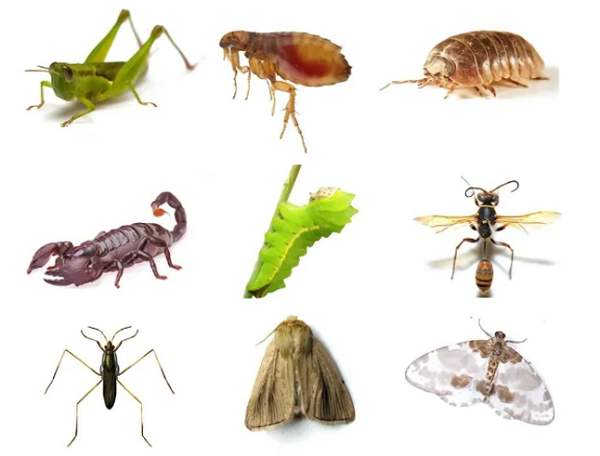
Stemona japonica extract displays a broad spectrum of activity against high-impact agricultural and horticultural pests, particularly those known for rapidly building synthetic chemical resistance:
| Target Pest | Common Crops Affected | Key Impact of Extract |
| Aphids (Aphididae) | Vegetables, Fruit Trees, Greenhouse Crops | Rapid contact toxicity and knockdown |
| Mites (Tetranychidae) | Orchards, Cotton, Row Crops | Disrupts egg hatching and adult motility |
| Thrips (Thripidae) | Ornamental Plants, Berries, Vegetables | Strong anti-feedant effect and population suppression |
| Caterpillars & Worms | Brassicas, Field Crops | Inhibits larval feeding and disrupts growth |
For B2B formulators and distributors, this wide spectrum ensures high versatility across diverse crop markets.
Integrating Stemona japonica into IPM Strategies
Integrated Pest Management relies on rotating modes of action to keep pest populations below economic injury levels without over-relying on any single input. Stemona japonica extract integrates smoothly into commercial IPM schedules:
-
Tank-Mix Compatibility: Works effectively alongside other biological inputs, beneficial microbial sprays, and standard botanical oils.
-
Resistance Breaker in Rotations: Applied in rotation with synthetic or biological treatments to knock down individuals that have survived conventional sprays.
-
Zero-Day Pre-Harvest Interval (PHI): Can be applied close to harvest without risking illegal chemical residue accumulation on consumer-ready produce.
Environmental and Safety Advantages Over Synthetic Pesticides
In addition to crop protection, switching to Stemona japonica extract satisfies crucial environmental, social, and governance (ESG) goals for commercial agriculture:
-
Low Eco-Toxicity: Rapidly degrades under natural sunlight and soil microbes, preventing long-term bioaccumulation in water bodies or soil structures.
-
Selectivity for Beneficials: When applied according to label instructions, it poses significantly lower risks to non-target pollinators, predatory mites, and beneficial insects compared to conventional broad-spectrum neurotoxins.
-
Worker Safety & Easy Handling: Reduced re-entry intervals (REI) allow field personnel to return to treated areas faster, improving operational efficiency for greenhouse and open-field growers.
Partner with Us for Wholesale Stemona Japonica Extract
As global agriculture shifts toward cleaner and safer methods of pest and disease control, securing reliable, well-characterized plant-based raw materials is essential for enhancing your product portfolio. With over 20 years of expertise in producing botanical technical-grade pesticides, we are dedicated to supporting the sustainable development of agricultural enterprises worldwide.
We supply bulk Stemona extract powder to agricultural formulators, biopesticide manufacturers, and commercial distributors globally. Our stemona extract contains ≥1% total alkaloids ( HPLC) and is available for large-scale supply. Each batch is accompanied by a full suite of technical documentation, including a Certificate of Analysis (COA).
Ready to enhance your IPM portfolio and solve pest resistance for your clients? Contact our technical sales team today to request product specifications, Certificate of Analysis (COA) documentation, and bulk order samples.
References
-
Tang, C. P., Ye, Y., & Unverzagt, C. (2008). Alkaloids from Stemona species: Chemistry, biology, and total synthesis. Phytochemistry Reviews, 7(3), 441–458.
-
Isman, M. B. (2006). Botanical insecticides, deterrents, and repellents in modern agriculture and an increasingly regulated world. Annual Review of Entomology, 51, 45–66.
-
Brem, B., Seger, C., Pacher, T., Hofer, O., Vajrodaya, S., & Greger, H. (2002). Feeding deterrence and contact toxicity of Stemona alkaloids against Spodoptera littoralis. Journal of Agricultural and Food Chemistry, 50(22), 6383–6388.
-
Copping, L. G., & Menn, J. J. (2000). Biopesticides: A review of their action, applications and efficacy. Pest Management Science, 56(8), 651–676.
-
Regnault-Roger, C., Vincent, C., & Arnason, J. T. (2012). Essential oils in insect control: Low-risk products in a high-stakes world. Annual Review of Entomology, 57, 405–424.
-
Wang, Y. Z., Liang, J. Y., & Er-Bu, A. (2007). Chemical constituents from the roots of Stemona japonica and their insecticidal activity. Journal of Natural Products, 70(8), 1356–1359.