Physcion Fungicide in Practice: Real-World Applications and Results
Fungal diseases remain a major challenge for modern agriculture. Growers need effective solutions that protect crops while meeting stricter environmental standards. Among botanical fungicides, physcion has attracted increasing attention because of its unique biological activity and plant-friendly profile.
As a botanical pesticide ingredient manufacturer, we have seen growing interest in physcion powder from agricultural formulators, distributors, and crop protection companies. Buyers often ask about performance, field applications, physcion solubility, and how to identify reliable physcion suppliers. This article explores the practical use of physcion fungicide and the results observed in agricultural settings.
Introduction to Physcion: Natural Fungicide Overview
Physcion is a naturally occurring anthraquinone compound found in several plant species, including rhubarb and some medicinal herbs. It has been studied for its antifungal, antibacterial, and plant defense-inducing properties.
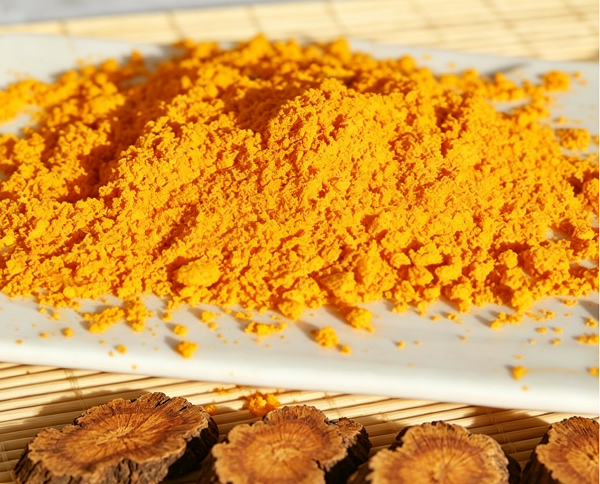
Many people ask, does all rhubarb have physcion? The answer is no. Physcion content varies greatly among rhubarb species, growing conditions, and plant parts. Commercial agricultural products typically use standardized physcion extract rather than raw plant material.
For crop protection applications, physcion is commonly supplied as:
- Yellow powder
- 1% active ingredient
- HPLC tested for quality verification
- Suitable for fungicide formulation development
Its botanical origin makes it attractive for manufacturers seeking alternatives to conventional synthetic fungicides.
Understanding Physcion’s Mode of Action
Unlike many traditional fungicides that directly kill pathogens, physcion is known for activating plant defense responses.
Research indicates that physcion can:
- Stimulate plant resistance mechanisms
- Enhance disease defense pathways
- Reduce fungal infection pressure
- Support healthier crop growth
This dual-action characteristic makes it valuable in integrated disease management programs.
Another factor influencing formulation performance is physcion solubility. Since physcion has limited water solubility, formulators often optimize delivery systems to improve dispersion and field efficacy.
These formulation improvements can significantly influence final product performance.
Applications of Physcion in Agriculture
Physcion has been evaluated in multiple agricultural sectors.
Field Crops: Cereals, Vegetables, and Fruits
Field applications focus on disease prevention and crop health management.
Common target crops include:
- Wheat
- Rice
- Cucumbers
- Tomatoes
- Grapes
- Strawberries
- Peppers
Crop protection companies often incorporate physcion extract into biological fungicide programs designed to reduce disease pressure throughout the growing season.
Greenhouse vs Open-Field Usage
Greenhouse production creates favorable conditions for fungal outbreaks due to high humidity and dense planting.
Physcion-based products are often used in greenhouse environments to help manage:
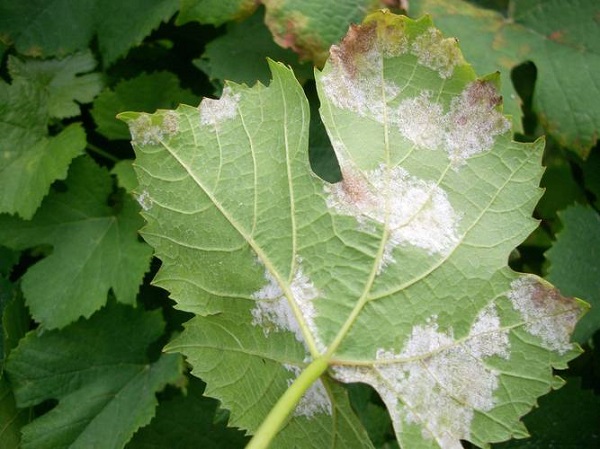
- Powdery mildew
- Downy mildew
- Leaf spot diseases
Open-field applications focus more on preventive disease management. Environmental factors such as rainfall, temperature, and pathogen pressure influence treatment schedules.
Case Studies: Real-World Results
Field observations help demonstrate the practical value of physcion fungicide.
Case 1: Controlling Fusarium in Wheat
Fusarium diseases can reduce yield and grain quality.
Studies investigating physcion have reported positive effects on plant defense activation. Researchers observed reduced disease severity when physcion-based treatments were integrated into disease management programs.
Agronomists also noted improved crop vigor under disease pressure conditions.
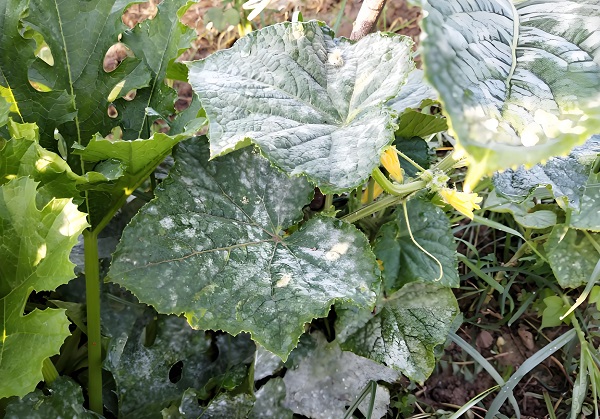
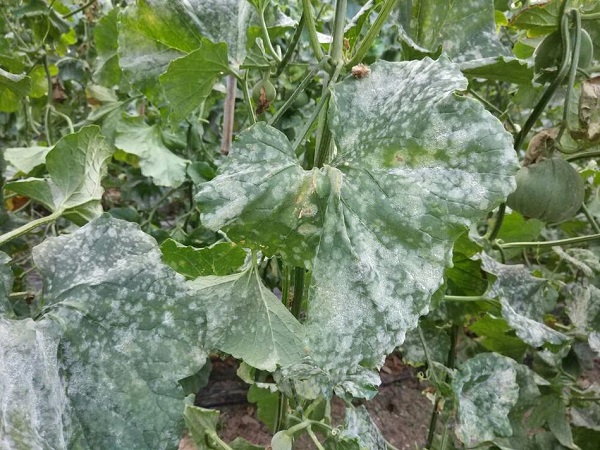
Case 2: Managing Powdery Mildew in Cucumbers
Powdery mildew remains one of the most common greenhouse diseases.
Trials involving physcion-based formulations reported:
- Lower disease incidence
- Improved leaf health
- Better crop appearance
- Reduced pathogen spread
Results varied according to disease pressure, application timing, and environmental conditions. Early intervention generally produced better outcomes.
Comparing Physcion with Other Fungicides
Many buyers compare physcion with synthetic fungicides before making purchasing decisions.
Efficacy and Yield Outcomes
Synthetic fungicides often provide rapid pathogen suppression.
Physcion offers different advantages:
- Botanical origin
- Resistance management support
- Compatibility with integrated programs
- Favorable environmental profile
Many growers use physcion alongside other crop protection tools rather than as a standalone solution.
Cost and Environmental Impact
Environmental considerations increasingly influence purchasing decisions.
Compared with many conventional fungicides, physcion-based products may offer:
- Lower environmental burden
- Reduced residue concerns
- Better alignment with sustainable agriculture goals
These factors can create long-term value beyond direct disease control.
Regulatory and Safety Considerations
Regulatory requirements differ by country and region.
Before product development or commercialization, you should verify:
- Registration status
- Local compliance requirements
- Product specifications
- Quality documentation
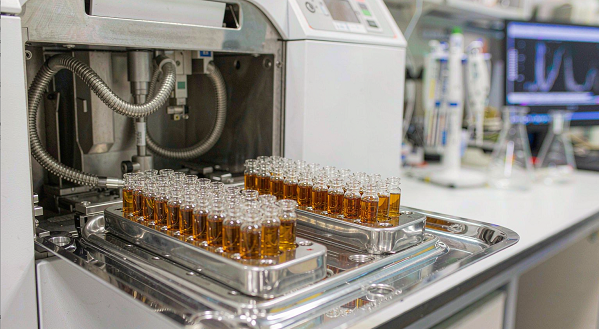
HPLC testing remains an important quality control method for verifying active ingredient content.
Buying Guide and Supplier Recommendations
Selecting the right supplier is often as important as selecting the ingredient itself.
When evaluating physcion powder suppliers, you should consider:
- Manufacturing experience
- Quality management systems
- HPLC testing capability
- Supply stability
- Technical support
- Documentation availability
Green Agri is a botanical pesticide materials manufacturer with 20 years of experience. For companies sourcing physcion powder, consistent quality and technical expertise can significantly influence project success.
When comparing physcion suppliers, ask the following questions:
- Is the material HPLC tested?
- Is batch-to-batch consistency verified?
- Can the supplier provide regulatory support?
- Is technical assistance available during formulation development?
Strong supplier partnerships often reduce development risks and improve product performance.
Looking for a reliable source of Physcion Yellow Powder 1% HPLC? Contact us today to discuss specifications, samples, formulation support, and bulk supply options for your agricultural projects.
Final Thoughts
Physcion continues to gain attention as agricultural markets seek effective botanical fungicide solutions. Its ability to support plant defense responses makes it an interesting option for disease management programs across multiple crops.
As demand for biological crop protection products grows, the role of high-quality physcion extract and standardized physcion powder will likely expand. Careful supplier selection, proper formulation design, and sound agronomic practices remain essential for achieving the best field results.
References
- Duke, J.A. Handbook of Medicinal Herbs. CRC Press, Third Edition, 2002.
- Yang, X., Guo, J., Zhang, F. “Research Progress on Plant-Derived Fungicides and Their Applications in Agriculture.” Pesticide Biochemistry and Physiology, 2021.
- Zhang, W., Li, Y., Wang, X. “Biological Activities of Anthraquinone Compounds from Medicinal Plants.” Journal of Agricultural and Food Chemistry, 2019.
- Brent, K.J., Hollomon, D.W. Fungicide Resistance in Crop Pathogens: How Can It Be Managed? Fungicide Resistance Action Committee (FRAC), 2007.
- Agrios, G.N. Plant Pathology. Academic Press, Fifth Edition, 2005.
- Copping, L.G., Duke, S.O. “Natural Products That Have Been Used Commercially as Crop Protection Agents.” Pest Management Science, 2007.