Pyrethrins or Neem Oil: Best Natural Solution for Pest Control?
Natural pest control products continue to gain attention in agriculture, horticulture, and public health programs. Among the most discussed botanical insecticides are Pyrethrins and neem oil. Both come from plants and support sustainable pest management. Yet they work in very different ways.
We often hear formulators and pesticide distributors ask the same question: Which natural insecticide offers better pest control? The answer depends on pest pressure, application goals, and crop requirements.
This guide compares these two popular botanical pesticides and explains when each option may fit your needs.
How Pyrethrins Work Against Insect Pests?
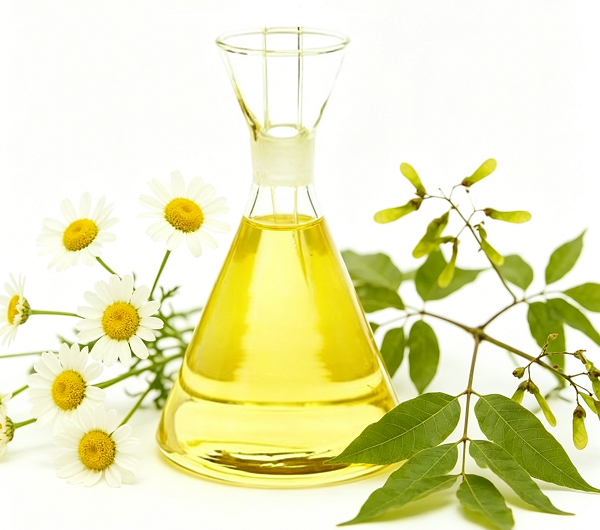
Pyrethrins are natural compounds extracted from chrysanthemum flowers. They attack the nervous systems of insects and cause rapid paralysis.
Many agricultural producers prefer pyrethrin-based formulations because they deliver a quick knockdown effect. This feature becomes valuable when pest populations rise suddenly.
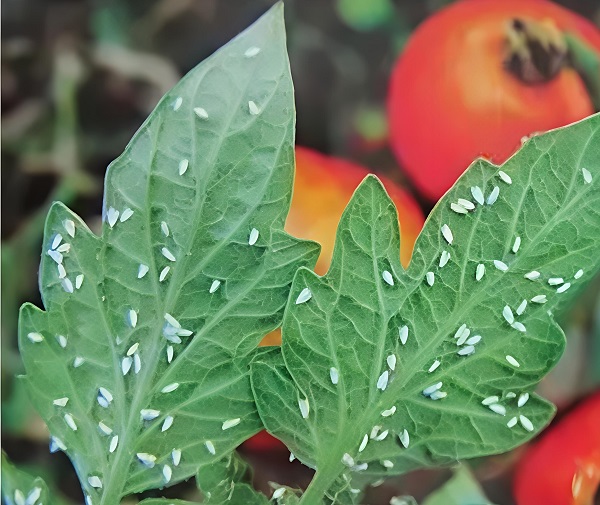
Pyrethrins are commonly used against: Aphids, Whiteflies, Thrips, Mosquitoes, Beetles, Caterpillars
Research published by the United States Environmental Protection Agency (EPA) shows that pyrethrins act quickly and break down relatively fast in sunlight and the environment. This characteristic helps reduce long-term residue concerns.
How Neem Oil Disrupts Pest Life Cycles?
Neem oil comes from the seeds of the neem tree. Its primary active compound is azadirachtin.
Unlike pyrethrins, neem oil rarely causes immediate insect death. Instead, it interferes with feeding, molting, reproduction, and egg development.
Neem oil may:
- Reduce feeding activity
- Interrupt insect growth
- Lower reproductive success
- Discourage future infestations
Many organic growers use neem oil as part of a preventive pest management strategy. Results often appear gradually rather than immediately.
Pyrethrins vs Neem Oil: Key Differences at a Glance
| Feature | Pyrethrins | Neem Oil |
| Source | Chrysanthemum flowers | Neem tree seeds |
| Action Speed | Rapid | Gradual |
| Target | Nervous system | Growth and development |
| Knockdown Effect | Strong | Limited |
| Residual Activity | Short | Moderate |
| Best Use | Active infestations | Preventive management |
Hope this comparison can helps you understand which botanical pesticide aligns with your product development goals.
Effectiveness Against Common Agricultural and Household Pests
Performance often depends on the target insect.
Pyrethrins typically perform well against mobile insects. Their fast action makes them useful during severe outbreaks.
Neem oil often works better against immature stages and pests with longer life cycles.
For common agricultural pests:
Pyrethrins may provide stronger control of:
- Whiteflies
- Mosquitoes
- Flea beetles
- Leafhoppers
Neem oil may help manage:
- Scale insects
- Mealybugs
- Soft-bodied pests
- Developing larvae
Many integrated pest management programs combine multiple control methods to improve overall results.
Residual Activity and Duration of Protection
Pyrethrins degrade relatively quickly when exposed to sunlight and air. This property can reduce long-term environmental persistence.
Neem oil often remains active longer on treated surfaces. Its growth-regulating effects may continue after application.
The choice depends on management goals:
- Rapid intervention often favors pyrethrins.
- Longer-term suppression may favor neem-based products.
Many commercial formulations address these limitations through optimized application schedules.
Spectrum of Control: Broad-Spectrum vs Targeted Pest Management
Pyrethrins provide broad-spectrum insect control. They affect many pest species across different crop systems.
Neem oil tends to act more selectively. Its influence centers on insects that rely heavily on molting and developmental processes.
Broad-spectrum activity may benefit:
- Agricultural producers
- Greenhouse operators
- Public health programs
Targeted approaches may suit growers seeking reduced impact on non-target organisms.
Impact on Beneficial Insects and Pollinators
Every insecticide requires responsible use.
Pyrethrins can affect beneficial insects if applications occur during pollinator activity. Applicators often reduce risk by spraying during periods when bees are less active.
Neem oil generally presents lower direct toxicity to many pollinators when used correctly. Timing and application methods remain important.
Safety Considerations for Humans, Pets, and the Environment
Both products have established roles in modern pest management.
The EPA evaluates pesticide safety before registration. Users should always follow approved label directions.
Key considerations include:
- Proper protective equipment
- Recommended application rates
- Safe storage practices
- Environmental stewardship
Pyrethrins and neem oil are both widely used in agricultural and residential settings when applied according to regulations.
Organic Farming and Regulatory Compliance
Organic certification requirements vary by region and certification body.
Many pyrethrin and neem-based products qualify for use in organic production systems when approved by applicable standards.
You should verify:
- Product specifications
- Active ingredient concentration
- Manufacturing quality systems
- Regulatory documentation
- Regional compliance requirements
Reliable suppliers help simplify the compliance process for formulators and distributors.
When Should You Choose Pyrethrins Instead of Neem Oil?
Pyrethrins may be the better option when:
- Fast knockdown is required
- Pest populations are already high
- Broad-spectrum control is needed
- Mosquito or public health applications are involved
- Commercial formulations require rapid performance
Final Thoughts
Both pyrethrins and neem oil play valuable roles in natural pest control. Neem oil supports long-term pest management through growth disruption. Pyrethrins provide rapid action when immediate control becomes critical.
The best choice depends on your application goals, target pests, and formulation strategy. Many professional pest management programs use both tools as part of a broader integrated approach.
Looking for a Reliable Pyrethrins Supplier?
Green Agri is a botanical pesticide materials manufacturer with 20 years of experience. We supply high-quality pyrethrins in 25% and 50% concentrations for pesticide manufacturers worldwide.
Contact us today to discuss specifications, technical documents, and bulk supply solutions for your next botanical pesticide project.
References
- United States Environmental Protection Agency (EPA). Pyrethrins and Pyrethroids Fact Sheet.
- United States Environmental Protection Agency (EPA). Biopesticides Registration and Regulation.
- National Pesticide Information Center (NPIC). Pyrethrins General Fact Sheet.
- National Pesticide Information Center (NPIC). Neem Oil General Fact Sheet.
- Copping, L. G., Menn, J. J. Biopesticides: A Review of Their Action, Applications and Efficacy. Pest Management Science.
- Isman, M. B. Botanical Insecticides, Deterrents, and Repellents in Modern Agriculture and Increasingly Regulated World. Annual Review of Entomology.