Can Physcion Help Control Fungal Diseases in Vegetables and Fruits?
Fungal diseases remain one of the biggest challenges in vegetable and fruit production. Every year, growers lose significant yields due to pathogens that damage leaves, stems, flowers, and fruits. As regulations tighten around synthetic pesticides, farmers and agricultural formulators are looking for safer and more sustainable alternatives.
One botanical active ingredient attracting attention is Physcion. Derived from natural plant sources, Physcion has shown promising antifungal activity against several important crop diseases. But can it truly help control fungal diseases in vegetables and fruits?
In this article, we explore how Physcion works, its advantages, target pathogens, and its future role in sustainable agriculture.
What Is Physcion?
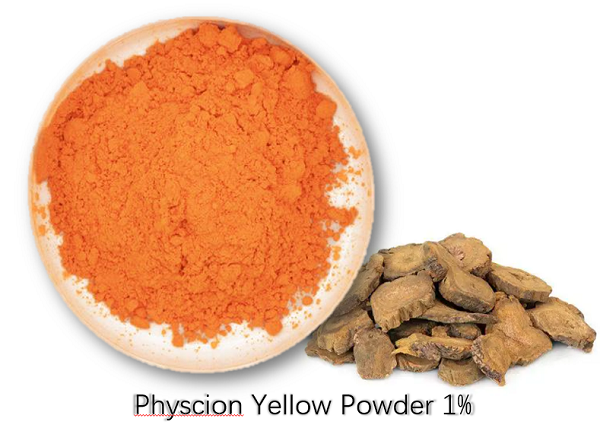
Physcion is a naturally occurring anthraquinone compound found in several plants, including species of Rheum, Polygonum, and Cassia. It appears as a yellow crystalline powder and has attracted interest due to its biological activities.
In agriculture, Physcion Yellow Powder 1% HPLC is commonly used as a botanical pesticide ingredient. Researchers have reported its ability to inhibit fungal growth while offering a favorable environmental profile.
Because of these characteristics, many companies are actively searching for:
- Physcion powder supplier
- Physcion powder manufacturer
- Physcion powder factory
- Bulk Physcion for agrochemical formulations
As demand for biological crop protection products increases, Physcion continues to gain commercial attention.
Common Fungal Diseases Affecting Vegetable and Fruit Crops
Fungal pathogens can infect crops at every growth stage. They reduce yield, lower quality, and increase production costs.
Some of the most damaging diseases include:
Vegetable Diseases
- Powdery mildew
- Downy mildew
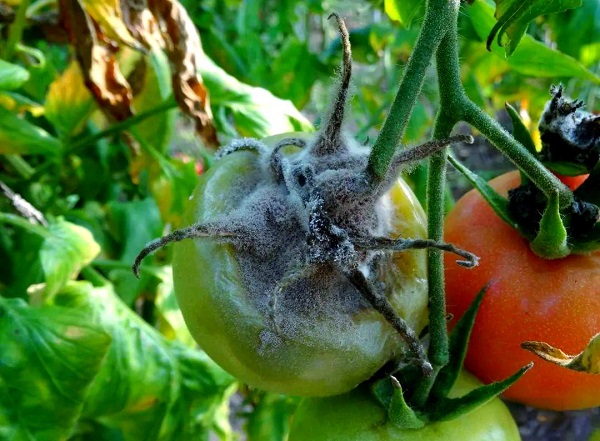
- Gray mold (Botrytis cinerea)
- Early blight
- Anthracnose
Fruit Diseases
- Apple scab
- Brown rot
- Fruit anthracnose
- Alternaria rot
- Powdery mildew on grapes
Many of these diseases spread quickly under warm and humid conditions. Traditional fungicides often provide control, but resistance development has become a growing concern.
The Antifungal Mechanism of Physcion in Agricultural Applications
Researchers have identified several ways Physcion may help suppress fungal diseases.
1. Direct Antifungal Activity
Physcion can inhibit spore germination and fungal growth. This effect helps reduce pathogen populations before severe infections develop.
2. Activation of Plant Defense Systems
Studies suggest that Physcion may act as a plant defense elicitor. Instead of simply attacking pathogens, it can stimulate the plant’s natural resistance mechanisms.
Potential benefits include:
- Increased production of defense-related enzymes
- Enhanced disease resistance
- Improved stress tolerance
This dual-action approach makes Physcion different from many conventional fungicides.
Key Advantages of Physcion Compared with Conventional Fungicides
The agricultural industry continues to seek alternatives that balance effectiveness and sustainability.
Physcion offers several potential advantages:
Natural Origin
Physcion comes from plant-derived sources. This aligns with the growing demand for botanical pesticides.
Lower Resistance Risk
Because Physcion may involve multiple modes of action, it could help reduce resistance pressure compared with single-target fungicides.
Environmental Compatibility
Botanical ingredients often show better environmental acceptance than some synthetic chemicals.
Integration into IPM Programs
Physcion fits well within Integrated Pest Management (IPM) strategies. Growers can combine it with biological controls and cultural practices.
Target Fungal Pathogens Controlled by Physcion
Research has demonstrated activity against several economically important fungi.
Examples include:
- Botrytis cinerea
- Sphaerotheca fuliginea
- Alternaria species
- Colletotrichum species
- Fusarium species
The effectiveness varies according to formulation, application timing, environmental conditions, and disease pressure.
For this reason, many pesticide manufacturers continue to investigate Physcion-based formulations for broader crop protection programs.
Applications of Physcion in Vegetable Crop Protection
Physcion has shown potential applications in cucumbers, tomatoes, peppers, and leafy vegetables as part of integrated disease management programs.
Cucurbit Crops
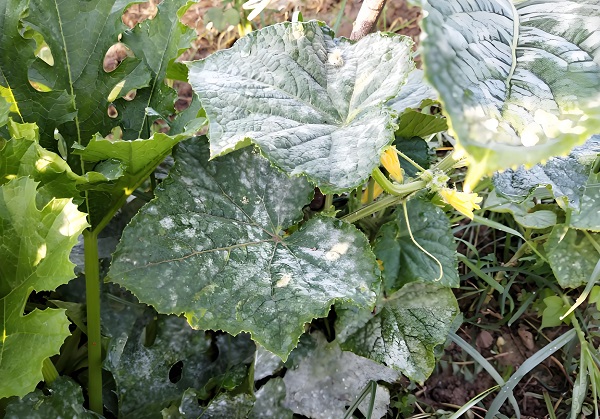
Cucumber, melon, and squash growers frequently battle powdery mildew. Physcion-based products may help reduce disease severity.
Solanaceous Vegetables
Tomatoes and peppers are vulnerable to several fungal pathogens. Physcion may support disease management programs when used as part of an integrated strategy.
Leafy Vegetables
Lettuce and other leafy greens benefit from disease prevention measures that minimize chemical residues.
The growing interest in residue-conscious farming supports the adoption of botanical pesticide ingredients like Physcion.
For real-world examples of Physcion use in crops such as wheat and cucumbers, read our detailed guide on Physcion fungicide applications and field results.
Using Physcion to Manage Diseases in Fruit Production
Fruit producers require effective disease control while maintaining fruit quality and market acceptance.
Potential applications include:
- Grape powdery mildew management
- Apple disease prevention programs
- Anthracnose control in tropical fruits
- Gray mold suppression in berries
Botanical fungicides can help producers meet consumer expectations for more sustainable agricultural practices.
When combined with proper orchard sanitation and monitoring, Physcion may contribute to long-term disease management success.
Future Prospects of Physcion-Based Fungicides in Sustainable Agriculture
The future of crop protection is moving toward biological and botanical solutions.
Several factors support the growth of Physcion-based products:
- Increasing fungicide resistance
- Stricter pesticide regulations
- Rising demand for sustainable agriculture
- Expansion of organic and residue-sensitive markets
As research continues, improved formulations may enhance efficacy, stability, and field performance.
For agrochemical companies, distributors, and formulators, Physcion represents an attractive opportunity within the rapidly expanding biological pesticide sector.
With over 20 years of experience in botanical pesticide materials manufacturing, Green Agri continues to support customers seeking reliable Physcion raw materials and customized supply solutions. Whether you need bulk Physcion, customized specifications, or long-term supply support, our experienced team can help you develop effective botanical pesticide solutions.
Contact us today for sample and COA.
References
- Duke, S.O., Dayan, F.E. “Discovery of New Herbicide Modes of Action with Natural Phytotoxins.” Pesticide Biochemistry and Physiology, 2011.
- Li, Y., Wang, W., Chen, J. “Antifungal Activity and Mechanisms of Plant-Derived Anthraquinones Against Plant Pathogens.” Crop Protection, 2018.
- Wang, H., Zhao, Y., Liu, X. “Induced Resistance in Plants by Natural Elicitors and Botanical Compounds.” Plant Disease, 2019.
- Copping, L.G., Duke, S.O. “Natural Products That Have Been Used Commercially as Crop Protection Agents.” Pest Management Science, 2007.
- Brent, K.J., Hollomon, D.W. Fungicide Resistance in Crop Pathogens: How Can It Be Managed? Fungicide Resistance Action Committee (FRAC), 2007.
- Bailey, K.L., Boyetchko, S.M., Längle, T. “Social and Economic Drivers Shaping the Future of Biological Control.” BioControl, 2010.