How to Combine Allicin with Other Botanical Pesticides for Maximum Synergy
Botanical pesticides are gaining attention as growers seek more sustainable crop protection options. Allicin is one promising botanical compound from garlic. It has antimicrobial properties and may support several crop protection strategies.
However, using allicin alone may not solve every crop issue. Combining allicin with other natural plant extracts creates a synergistic effect. This strategy boosts pest control, reduces application costs, and improves overall crop yields.
For pesticide manufacturers and garlic extract distributors, understanding compatibility, stability, dosage, and crop safety is crucial.
This guide will explain how allicin can be incorporated into plant-derived pesticide blends and what factors you should consider when developing formulations.
Why Combine Allicin with Other Botanical Pesticides?
Allicin, or diallyl thiosulfinate, forms when garlic tissue becomes damaged. It reacts with thiol-containing compounds and can affect microbial cells. Research has documented its dose-dependent antimicrobial activity.
Using a single botanical pesticide often leads to targeted but limited results. Pests can also build resistance to single active ingredients over time.
When you combine allicin with other plant extracts, you create a multi-target solution. Allicin excels at disrupting cellular membranes in fungi and bacteria. Meanwhile, other extracts attack insect nervous systems or block feeding behavior.
This combination offers several major advantages for growers:
- Broadens the spectrum of pest and disease control.
- Prevents target organisms from developing resistance.
- Reduces the required dosage of individual raw materials.
- Improves overall cost-efficiency in field applications.
Allicin and Neem Extract: A Powerful Combination for Insect and Pathogen Management
Neem extract contains azadirachtin, a popular growth regulator that disrupts insect feeding and molting. When paired with allicin, this mix creates a dual-action system.
Allicin acts rapidly to repel adult pests and fight off soft-bodied organisms. Simultaneously, neem slows down larval development and provides long-lasting control.
| Active Compound | Primary Target | Mechanism of Action |
| Allicin | Fungi, bacteria, soft pests | Cell membrane disruption |
| Azadirachtin (Neem) | Chewing pests, larvae | Hormone and feeding inhibition |
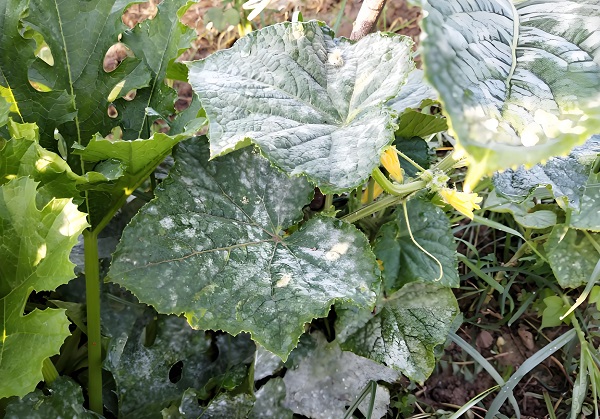
This mixture works exceptionally well against aphids, thrips, and powdery mildew on vegetable crops.
Combining Allicin with Pyrethrins: Enhancing Natural Pest Control Performance
Natural pyrethrins offer a fast “knockdown” effect against flying insects. However, pyrethrins break down quickly when exposed to sunlight and heat.
Adding allicin to pyrethrin formulations creates an aggressive repellent shield. Allicin drives pests out of hiding spots, exposing them directly to the pyrethrins.
- Speed: Pyrethrins knock down pests in minutes.
- Repellency: Allicin prevents new insects from settling on leaves.
- Coverage: The strong garlic odor disrupts pest communication.
This blend helps farmers lower pyrethrin usage while maintaining excellent field protection.
Allicin and Tea Saponin: Improving Antimicrobial and Insecticidal Activity in Crop Protection
Tea saponin is a natural surfactant extracted from camellia seeds. It reduces surface tension, allowing liquid sprays to spread evenly across leaves.
Combining allicin with tea saponin improves overall spray efficacy in three ways:
- Better Spreadability: Tea saponin ensures complete leaf coverage.
- Enhanced Penetration: The mixture breaks down protective pest wax coatings.
- Synergistic Toxicity: Tea saponin damages pest stomach linings, allowing allicin to kill pathogens faster.
This combination works effectively against soil-borne pathogens and root-knot nematodes.
Allicin with Botanical Fungicides: Building Multi-Target Disease Control Strategies
Fungal infections like gray mold, downy mildew, and root rot destroy millions of crops annually. Pairing allicin with copper octanoate or essential oils (like oregano and thyme oil) creates a broad-spectrum antifungal shield.
Allicin attacks the fungal cell wall, while plant essential oils inhibit internal fungal enzymes. Together, they clear active infections and prevent future spore germination.
Optimizing Formulations: Key Factors for Successful Allicin-Based Pesticide Blends
Creating a stable, commercial-grade pesticide blend requires strict attention to physical and chemical conditions.
- pH Balance: Allicin degrades rapidly in alkaline environments. Maintain a slightly acidic pH (between 5.5 and 6.5).
- Temperature: Store active ingredients below 25°C to avoid thermal decomposition.
- Solubility: Choose compatible emulsifiers to prevent phase separation.
- Carrier Quality: Use pure water or refined plant oils as carriers to extend shelf life.
Common Blending Mistakes: What NOT to Mix with Allicin
One common mistake is assuming that all natural ingredients are automatically compatible.
Some ingredients may change pH, accelerate degradation, or reduce the stability of allicin. Strong oxidizing or highly reactive components deserve particular caution.
Another mistake involves using excessive concentrations. Higher active content does not always mean better field performance. It may increase phytotoxicity, cost, or formulation instability.
Incorrect mixing can neutralize active compounds or cause phytotoxicity (leaf burn). Avoid these dangerous combinations:
- Strong Alkaline Chemicals: Never mix allicin with Lime Sulfur or Bordeaux mixture.
- High-Concentration Copper Salts: Free copper ions accelerate allicin oxidation.
- Synthetic Oxidizers: Bleach and peroxide solutions degrade natural garlic compounds instantly.
Formulators should also avoid combining ingredients without preliminary jar tests or laboratory screening.
Field Applications of Allicin Combinations in Sustainable Agriculture
Allicin combinations may have potential across vegetable crops, fruit production, greenhouse systems, and other agricultural applications.
The best approach depends on the crop, target pest or pathogen, environmental conditions, and application method.
During seasonal pest outbreaks, weekly applications of an Allicin + Neem mixture reduce pest populations by over 80%. Furthermore, organic greenhouses use Allicin + Tea Saponin sprays to protect delicate crops without leaving harmful chemical residues behind.
Choosing a Reliable Allicin Powder Supplier
A reliable raw material supplier can make formulation development much easier.
You should look beyond price when sourcing allicin powder. Important factors include active content, analytical methods, batch consistency, and stability data.
An allicin powder supplier should provide a clear specification sheet and batch-specific COA. Documentation should match the actual product supplied.
You should also ask about production processes, packaging, storage conditions, minimum order quantities, and sample availability.
Are you looking to enhance your organic pesticide line with standardized Allicin Powder? Contact us today to request free product samples, Certificate of Analysis (COA) documents, and custom formulation support!
Related allicin sources
Wholesale Allicin Powder Feed Additive For Distributors and Brands
Allicin Stability in Water: Challenges and Solutions for Agricultural Formulations
Allicin vs Ethylicin in Agriculture: Key Differences in Mechanism and Performance
Case Study: Allicin in Organic Pest Control Solutions
References
Block, E. (2010). Garlic and Other Alliums: The Lore and the Science. Royal Society of Chemistry.
Isman, M. B. (2006). Botanical insecticides, deterrents, and repellents in modern agriculture and an increasingly regulated world. Annual Review of Entomology, 51, 45-66.
Ankri, S., & Mirelman, D. (1999). Antimicrobial properties of allicin from garlic. Microbes and Infection, 1(2), 125-129.
Copping, L. G., & Menn, J. J. (2000). Biopesticides: a review of their action, applications and efficacy. Pest Management Science, 56(8), 651-676.
Schmutterer, H. (2002). The Neem Tree and Other Meliaceous Plants: Sources of Unique Natural Products for Integrated Pest Management. VCH Publishers.
Curtis, H., Noll, U., Doermann, J., & Slusarenko, A. J. (2004). Broad-spectrum activity of garlic extract and allicin against plant pathogenic bacteria and fungi. Physiological and Molecular Plant Pathology, 65(2), 79-89.