Allicin Stability in Water: Challenges and Solutions for Agricultural Formulations
As a manufacturer of botanical pesticide materials, we observe a steadily growing global demand for natural fungicides based on allicin; however, a persistent challenge in pesticide formulation is allicin’s inherent instability in water.
This presents both challenges and opportunities for developers of crop protection products. In this article, we will analyze in detail the behavior of allicin in water, the factors affecting its stability, and how manufacturers can enhance its performance in practical agricultural formulations—such as liquid biopesticides and plant defense products.
Why Allicin Is Widely Used in Agricultural Formulations
Allicin is a natural sulfur compound derived from garlic. In agriculture, I see it widely used in biofungicides, natural pesticides, and plant immunity products.
Many formulators choose it because it offers:
- Broad-spectrum antimicrobial activity
- Natural origin and low residue risk
- Compatibility with organic farming systems
- Fast action against bacteria and fungi
Why Is Allicin Unstable in Water Formulations?
Here is the catch: the very chemical structure that makes this compound so reactive against pests also makes it highly unstable. It is an organosulfur compound with a specific thiosulfinate group.
When you introduce this molecule to water, it starts to break down almost immediately. Water acts as a reactive medium that triggers a process called hydrolytic cleavage. Instead of remaining as active allicin, it rapidly decomposes into oil-soluble diallyl sulfides, like diallyl disulfide (DADS) and diallyl trisulfide (DATS). While these secondary compounds still carry that classic garlic aroma, they lack the same powerful, immediate antimicrobial punch.
Factors That Influence Allicin Stability in Liquid Crop Protection Products
There are three major environmental factors speed up this degradation process:
- Temperature: At room temperature, the compound has a very short half-life in liquid solutions. If your storage temperatures climb above 40°C, the active content can completely disappear within days.
- pH Levels: This molecule is highly sensitive to the acidity of its environment. It prefers a slightly acidic environment, ideally between a pH of 5.0 and 6.0. If your water formulation becomes too alkaline (pH above 7.0) or too acidic (pH below 3.0), the molecule falls apart rapidly.
- Concentration and Solvents: Lower concentrations degrade much faster than highly concentrated bulk solutions. Furthermore, using pure water as your sole carrier accelerates this breakdown compared to using organic co-solvents.
How to Enhance Allicin Stability in Water-Based Formulations
So, how do we solve this puzzle in commercial manufacturing? We cannot just give up on water-based options, because liquid crop protection products are highly preferred for easy spraying and mixing. Here are some strategies to consider:
Nanoencapsulation: By encapsulating active molecules within a protective polymer or lipid matrix, they can be shielded from direct contact with water molecules. This ingenious approach not only prevents premature hydrolysis but also enables controlled release under field conditions.
Buffer Systems: We always recommend adding specific organic acid buffers (like citric acid) to lock the formulation’s pH strictly between 5.0 and 5.5.
Stabilizing Additives: Incorporating eco-friendly co-solvents, such as ethanol or polyethylene glycol (PEG) can reduces water activity. Adding natural antioxidants, such as tocopherol /Vitamin E, also helps protect the thiosulfinate structure from oxidation
Recommended Storage and Handling Practices for Water-Soluble Allicin
To preserve the active strength of your water-soluble liquid products, you must implement strict handling protocols.
- Store below 25°C whenever possible
- Keep away from direct sunlight
- Use airtight containers to reduce oxygen exposure
- Avoid long-term storage after opening
It is also recommended to use opaque high-density polyethylene (HDPE) containers. This type of packaging blocks light and prevents oxygen ingress.
How to Select High-Quality Bulk Allicin for Agricultural Manufacturing
If you are a procurement manager or sourcing engineer, your final product is only as good as your raw materials. When you are looking for a reliable factory partner or bulk allicin supplier, you need to look past the price tag.
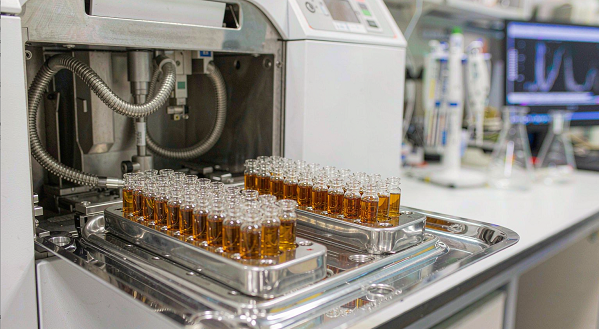
Always demand a certified Certificate of Analysis (COA) that verifies the exact active content using High-Performance Liquid Chromatography (HPLC). Because it is so volatile, a simple gas chromatography (GC) test can heat the sample and give inaccurate readings. Make sure your supplier holds proper quality certifications, such as ISO 9001. A premium supplier will always be transparent about their stabilization methods and extraction origins.
Frequently Asked Questions
Q1: Can Allicin be used in organic agriculture?
Yes, it is widely used in organic farming as a natural antimicrobial agent.
Q2: What is the typical shelf life of a water-based allicin formulation?
If you use proper encapsulation, pH buffers, and cold storage, a commercial liquid formulation can maintain its activity for up to 12 to 24 months.
Q3: Can I mix water-soluble garlic extracts with synthetic chemical fertilizers?
I generally advise against tank-mixing them blindly. Many synthetic fertilizers alter the tank mix’s pH or contain heavy metal ions that can destroy the delicate thiosulfinate structure.
Q4: Why does my liquid formulation lose its pest-control power but still smell like garlic?
This garlic odor stems from volatile sulfur decomposition products like diallyl disulfide. They do not possess pest control efficacy because the active ingredients have already degraded and lost their effectiveness.
Green Agri specializes in supplying 5% bulk allicin and plant-derived pesticide raw materials to manufacturers and distributors worldwide. We also provide technical documentation such as COAs, formulation guidance, and sample support. Contact us today for a quote!