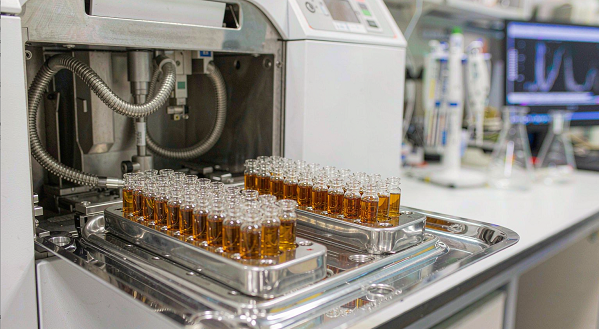

Environmental Safety Profile of Allicin: Soil Degradation, Ecotoxicity, and Non-Target Organisms
Allicin-based agricultural products are gaining attention as growers and formulators search for alternatives to some conventional crop protection materials.
A responsible environmental assessment should examine what happens after allicin enters soil, water, and surrounding ecosystems. Its persistence, transformation, exposure pathways, and possible effects on non-target organisms all matter.
For agricultural manufacturers, distributors, and formulators, understanding these factors can also support better product development and more responsible use.
Why Environmental Safety Assessment Is Important for Allicin-Based Agricultural Products
Every agricultural active ingredient has an environmental profile. This profile depends on both hazard and exposure.
Hazard describes the potential of a substance to affect an organism. Exposure describes how much of that substance reaches the organism and for how long.
Therefore, an ingredient cannot be described as environmentally safe based only on its natural source.
Environmental assessments typically consider several important questions:
- How quickly does the active ingredient degrade?
- What transformation products may form?
- Can it move through soil or water?
- Which non-target organisms may encounter it?
- What exposure levels may create ecological concerns?
Modern pesticide risk assessment combines environmental fate data with toxicity information. This approach helps regulators and product developers evaluate realistic environmental risks rather than relying on a single property.
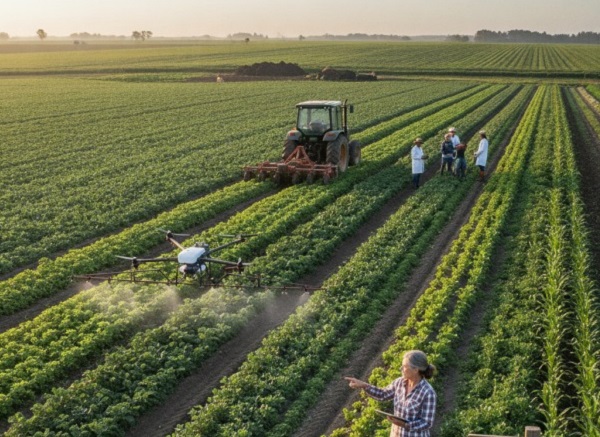
The Environmental Fate of Allicin After Agricultural Application
After agricultural application, allicin may enter several environmental compartments.
Some material may remain on plant surfaces. Some may reach the soil directly. Rainfall or irrigation may also move residues away from the treatment area.
Potential pathways include:
- Soil deposition
- Surface runoff
- Water movement
- Spray drift
- Chemical transformation
- Microbial transformation
Allicin is chemically reactive because of its thiosulfinate structure. This reactivity may influence how long the original molecule remains unchanged under environmental conditions.
However, environmental fate is not determined by chemical structure alone. Application rate, formulation, weather, soil properties, and surrounding conditions can all influence actual exposure.
Environmental risk assessments therefore examine both the parent active ingredient and relevant transformation products.
Soil Degradation and Transformation of Allicin
Soil is one of the most important environments for evaluating allicin after agricultural use.
Once allicin reaches soil, several transformation processes may occur. These can include chemical reactions, interactions with organic matter, and microbial metabolism.
Allicin’s reactive sulfur-containing structure may promote transformation rather than long-term persistence as unchanged allicin. Yet the rate and pathway of degradation can vary under different conditions.
For environmental assessment, the disappearance of the parent compound is only one part of the picture.
Scientists also need to consider the identity and behavior of transformation products. Some products may degrade quickly, while others may remain longer.
This is why high-quality environmental studies should examine both parent compounds and relevant degradates. Pesticide environmental fate assessments commonly evaluate degradation rates, breakdown products, mobility, and potential accumulation.
Factors That Influence Allicin Persistence in Agricultural Soils
Allicin persistence may differ between agricultural environments.
Several factors can influence how quickly it transforms:
- Soil moisture: Water availability can affect chemical reactions and microbial activity.
- Temperature: Higher temperatures may accelerate some transformation processes.
- Soil pH: Chemical stability can change under different pH conditions.
- Organic matter: Soil organic materials may influence binding and chemical interactions.
- Microbial activity: Active soil microorganisms may contribute to transformation processes.
- Soil texture: Sand, silt, and clay content can affect movement and retention.
These factors show why laboratory results should not automatically represent field conditions.
For product developers, this also means that environmental performance may depend on the final formulation and intended use pattern.
Potential Effects of Allicin on Soil Microbial Communities
Soil contains complex microbial communities that support nutrient cycling, organic matter decomposition, and plant growth.
Because allicin has antimicrobial activity, its possible effects on non-target microorganisms deserve careful attention.
The key question is not whether allicin can affect microorganisms. Instead, environmental assessment should examine which organisms are exposed and at what concentrations.
Important considerations include exposure level, application frequency, and recovery time.
Short-term changes in microbial activity do not always indicate long-term ecological damage. However, repeated or high-level exposure may require additional study.
Useful research may examine microbial diversity, soil respiration, nitrogen cycling, and recovery after treatment.
A complete safety profile should therefore consider both intended activity and possible effects on beneficial microbial communities.
Assessing Allicin Ecotoxicity in Aquatic Environments
Aquatic exposure may occur when agricultural materials move through runoff or accidental off-site transport.
Potentially exposed organisms can include fish, aquatic invertebrates, algae, and aquatic plants.
Ecotoxicity assessment should compare realistic environmental exposure levels with toxicity data.
This distinction is important.
A substance may show biological activity under laboratory conditions while presenting limited environmental exposure under normal use. Conversely, high exposure near sensitive environments may increase ecological concerns.
Standard pesticide assessments commonly examine both aquatic toxicity and expected environmental concentrations. The final risk characterization considers exposure intensity, duration, and organism sensitivity.
More standardized ecotoxicity data would strengthen environmental evaluations of allicin-based agricultural products.
Allicin and Non-Target Organisms: What Should Be Considered?
Non-target organisms include species that agricultural treatments do not intend to control.
These organisms may include:
- Pollinators
- Beneficial insects
- Earthworms
- Soil arthropods
- Birds and mammals
- Aquatic organisms
- Non-target plants
Natural origin does not mean that an active ingredient creates zero risk for every organism.
Risk depends on both toxicity and exposure.
For example, an organism may face little risk if exposure remains low. Another organism may require greater protection because it experiences repeated or direct exposure.
Regulatory ecological assessments use representative organisms to evaluate possible effects across broader ecological groups. These assessments may examine survival, growth, reproduction, and other biological endpoints.
Exposure Pathways and Environmental Risk Management for Allicin Applications
Good environmental management begins with reducing unnecessary exposure.
Manufacturers and users can support responsible application through several practices.
Use application rates that match the intended agricultural purpose. Avoid unnecessary repeat treatments. Reduce spray drift where possible. Manage runoff near sensitive waterways.
Application timing can also matter.
Heavy rainfall shortly after treatment may increase movement from the treated area. Sensitive habitats may also require additional precautions.
Formulators should evaluate how formulation ingredients affect environmental exposure. The active ingredient alone does not always represent the complete environmental behavior of the finished product.
Environmental fate studies and exposure assessments help identify these pathways and guide appropriate risk management measures.
Toward a More Complete Environmental Safety Profile for Allicin-Based Crop Protection
Allicin offers an interesting profile for agricultural product development because of its natural origin and reactive chemistry.
However, environmental responsibility requires more than simple claims about being natural or biodegradable.
A complete safety profile should consider soil degradation, transformation products, microbial effects, aquatic exposure, and non-target organisms.
The strongest environmental assessment combines chemical fate data with ecotoxicity and realistic exposure scenarios.
For manufacturers and suppliers, continued research can improve product stewardship and regulatory readiness. Better data can also help formulators design products that balance agricultural performance with responsible environmental management.
Allicin-based crop protection products should therefore be evaluated through a science-based risk framework. This approach can provide greater confidence for growers, formulators, distributors, and regulatory stakeholders.
Frequently Asked Questions
1. What is Allicin and how does it work?
Allicin is a natural compound derived from garlic that is widely recognized for its antifungal and antibacterial properties. It works by disrupting the cellular processes of harmful pathogens while being safe for beneficial organisms, making it an excellent choice for integrated pest management.
2. Is Allicin safe for organic farming?
Yes, Allicin is considered safe for organic farming as it is derived from a natural source and does not leave harmful residues on crops.
3. How can I integrate Allicin into my pest management strategy?
Integrating Allicin into your pest management strategy involves assessing your pest pressures and understanding the specific crop needs. Consider combining Allicin with other biological control methods to enhance overall effectiveness and promote a balanced ecosystem.
4. What are the potential side effects of using Allicin?
Allicin is generally regarded as safe for both crops and the environment. However, as with any agricultural product, improper application or excessive use may lead to reduced effectiveness or impact beneficial organisms. It’s essential to follow recommended guidelines and conduct field tests to ensure optimal results.
Partner with a Certified Allicin Manufacturer
Are you looking for standardized, eco-friendly allicin active ingredients or bio-fungicide formulations for your agricultural product portfolio? Contact us today to request COA, technical data sheets, and bulk allicin sample quotes!
References
Block, E. (2010). Garlic and Other Alliums: The Lore and the Science. Royal Society of Chemistry.Borlinghaus, J., Albrecht, F., Gruhlke, M. C. H., Nwachukwu, I. D., and Slusarenko, A. J. (2014). Allicin: Chemistry and Biological Properties. Molecules, 19(8), 12591–12618.Lawson, L. D., and Hunsaker, S. M. (2018). Allicin Bioavailability and Bioequivalence from Garlic Supplements and Garlic Foods. Nutrients, 10(7), 812.Gruhlke, M. C. H., Nicco, C., Batteux, F., and Slusarenko, A. J. (2017). The Effects of Allicin, a Reactive Sulfur Species from Garlic, on a Selection of Mammalian Cell Lines. Antioxidants, 6(1), 1.U.S. Environmental Protection Agency. (1998). Guidelines for Ecological Risk Assessment. EPA/630/R-95/002F.