Osthole Buyer’s Guide: What to Look for in Reliable Natural Pesticides
Why Quality Osthole Matters for Biopesticide Businesses?
Global demand for safe, organic, residue-free farming is growing rapidly. Osthole, a natural botanical active ingredient, has become a top choice for formulators and distributors of eco-friendly pesticides.
However, not all Osthole is the same. Low purity, synthetic substitutes, heavy metals, unstable batches, and missing documents can destroy your production, registration, and reputation.
This buyer’s guide helps you:
- Identify high-quality, genuine natural Osthole
- Avoid low-grade, adulterated, or non-compliant material
- Ensure stable formulation and consistent efficacy
- Meet EU, US, Southeast Asia, and Latin America import standards
- Secure a stable, long-term supply chain
What Is Osthole Why Use It in Natural Pesticides?
Osthole is a natural coumarin derived from Cnidium monnieri (L.) Cusson.It is widely used in biopesticides due to its strong fungicidal, insecticidal, and synergistic properties.
Key Agricultural Applications of Osthole
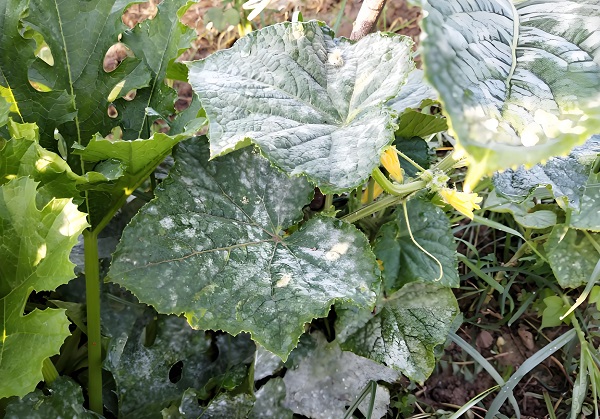
- Controls powdery mildew, downy mildew, gray mold, rust, and leaf spot
- Kills and repels aphids, mites, caterpillars, and other pests
- Acts as a synergist to reduce pest resistance
- Safe for bees, beneficial insects, and the environment
- Ideal for organic farming, vegetables, fruits, tea, and flowers
Common Formulations Using Osthole TC
- 0.4% SL, 1% SL, 2% SL, 10% EC, ME, WP, and more
8 Critical Factors to Evaluate Before Buying Osthole
1. Purity & Assay
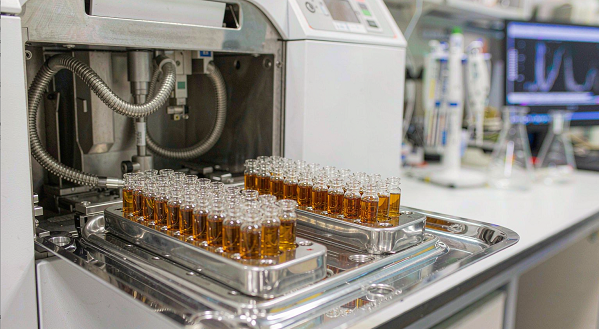
Always verify Osthole content using HPLC external standard method.
Recommended export-grade quality:
- Assay: ≥98.0%
- Appearance: White to off-white crystalline powder
- Loss on drying: ≤0.5%
- Ash: ≤0.3%
- Total impurities: ≤2.0%
2. 100% Natural Plant Extract
For organic and natural pesticide labels:
- Must be derived from Cnidium monnieri
- NOT synthetic Osthole
- Extraction using ethanol or supercritical CO₂ only
3. Heavy Metals & Solvent Residue Compliance
Global markets require strict limits:
- Pb ≤2 mg/kg, Cd ≤0.5 mg/kg, As ≤2 mg/kg, Hg ≤0.1 mg/kg
- No sulfur fumigation
- No methanol, chloroform, benzene, or toxic solvents
4. Batch-to-Batch Stability for Consistent Production
Stable raw material = stable formulation.
Look for:
- RSD <1.0% between batches
- Consistent color, solubility, and crystal structure
5. Complete Export Documentation for Global Customs
You must receive:
- COA (Certificate of Analysis)
- GHS SDS
- HPLC chromatogram
- Production license & pesticide registration
- Certificate of Origin
- Commercial invoice & packing list
6. Non-Dangerous Goods Classification for Lower Shipping Costs
Osthole TC is not classified as dangerous goods for sea or air transport.
This lowers shipping costs and speeds up customs clearance.
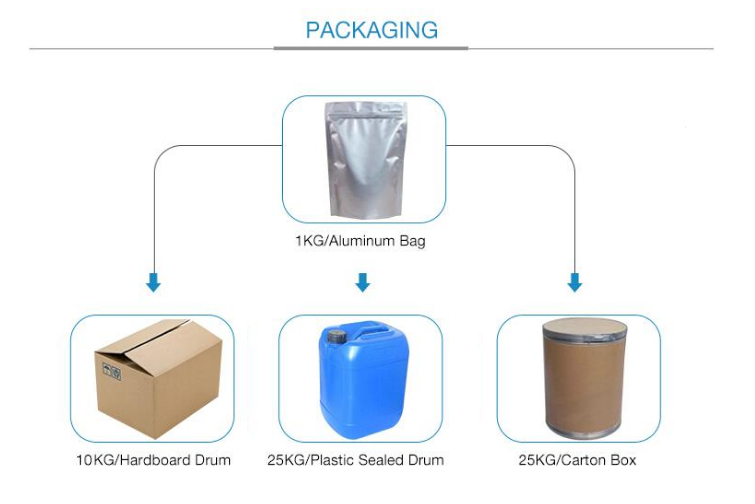
7. Export-Grade Packaging for Long-Distance Shipping
Standard:
- 25 kg fiber drum + aluminum foil inner bag
- Moisture-proof, light-proof, sealed
- Custom packaging available
8. Manufacturer Capacity & Supply Chain Reliability
Choose a osthole powder manufacturer with:
- Stable monthly production
- Quality control system
- On-time delivery
- Technical support for formulation
What to Avoid When Sourcing Osthole?
Unrealistically low prices. No HPLC test report or COA. Vague “natural” claims without evidence. Dark color, high moisture, or impurities. Missing export documents. Inability to provide samples. Lack of registration support
Step-by-Step Safe Purchasing Process for Osthole Buyers
- Send inquiry (purity, quantity, destination, formulation)
- Receive quotation, COA, SDS, and specifications
- Test free sample
- Confirm order and contract
- Production and quality inspection
- Shipping and full document delivery
- After-sales technical support
FAQ – Top Questions from Global Pesticide Buyers
Is Osthole Suitable for Organic Farming?
Yes. It is 100% natural plant-derived and widely accepted in organic programs.
Can You Support Local Pesticide Registration?
Yes. We provide full technical dossiers and test reports.
How Long Is the Shelf Life of Osthole TC?
2 years when stored in a cool, dry, dark area.
Is Osthole Compatible with Other Biopesticides?
Yes. It mixes well with azadirachtin, pyrethrins, and other botanical pesticides materials.
Conclusion – How to Choose a Trusted Osthole Supplier
Always buy 98% HPLC-tested, natural Osthole from a certified manufacturer that provides full export documents, batch stability, and professional technical support.
Green Agri, a leading manufacturer and exporter of natural Osthole TC for global pesticide formulators, distributors, importers, and agrochemical enterprises.
If you are looking to source Osthole, contact Green Agri at info@greenagribio.com. With 20 years of experience in botanical pesticide materials, we provide high-purity Osthole, technical guidance, and reliable supply for commercial crop protection.
Also See
Can Osthole Replace Chemical Fungicides?
Top 7 Benefits of Osthole in Pesticides for Strawberry and Grape Crops
Botanical Pesticide Material Osthole: Market and Application Trends
Wholesale Osthole Extract Best Botanical Pesticide Ingredients
What is Osthole?