
Selecting the Right Pyrethrins Supplier: A Procurement Guide for Pesticide Manufacturers
In the global agrochemical industry, procurement decisions directly influence product performance, regulatory approval, and long-term business stability. For pesticide manufacturers, selecting a reliable botanical insecticide supplier is no longer just a cost consideration. It is a strategic decision that impacts formulation quality, supply continuity, and market competitiveness.
Among botanical active ingredients, pyrethrins remain a core raw material for natural insecticide formulations. However, sourcing consistent, high-quality material requires careful supplier evaluation, technical verification, and supply chain assessment.
This guide helps procurement teams and product managers understand what truly matters when selecting a pyrethrins manufacturer.
Industry Context: Supply Chain Challenges in Botanical Pesticides
The botanical pesticide industry is growing rapidly, but it comes with inherent supply chain complexity.
Key challenges include:
- Agricultural variability: Raw plant materials are affected by climate and harvest conditions.
- Seasonal production cycles: Supply availability may fluctuate throughout the year.
- Increasing global demand: More manufacturers are entering the botanical pesticide space.
- Regulatory complexity: Different regions require strict compliance documentation and testing standards.
These factors make procurement more than a purchasing function. It becomes a risk management strategy.
For companies producing insecticide formulations, securing a stable pyrethrin extract supply is essential to maintaining production schedules and product consistency.
Technical Product Features: What Buyers Should Evaluate
1. Active Ingredient Concentration
| Grade | Specifications | Best For | Procurement Risk |
| Low-concentration extracts | 1–5% | Ready-to-use sprays, aerosol blends | High freight cost, short shelf lif |
| Standard refining | 15–25% | EC formulations, bulk manufacturing | Moderate – needs careful stabilization |
| High-purity | 40–55% | Premium formulations, export, low-residue products | High value – requires expert handling |
Green Agri supplies:
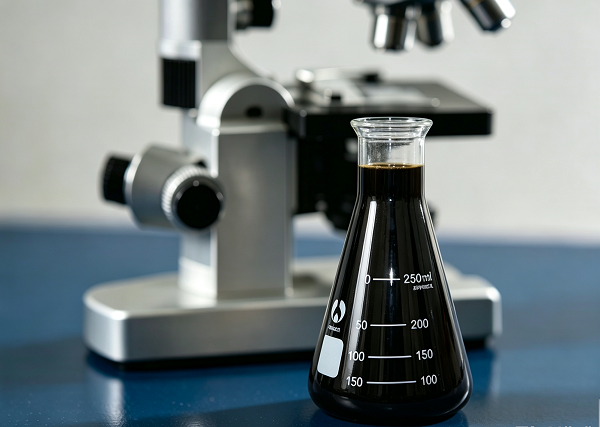
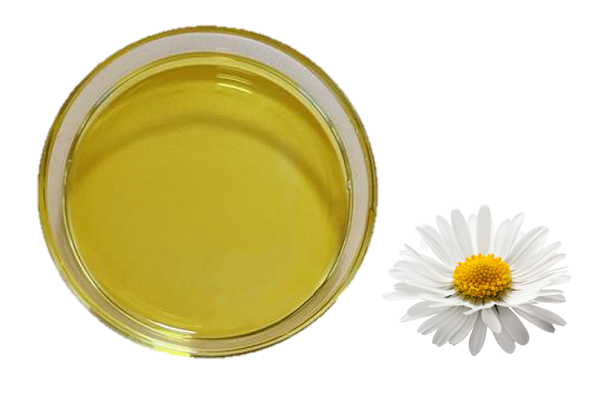
- 25% pyrethrins light yellow liquid
- 50% pyrethrins light yellow liquid
These standardized concentrations support different formulation needs, from general agricultural sprays to concentrated insect control products.
2. Analytical Verification
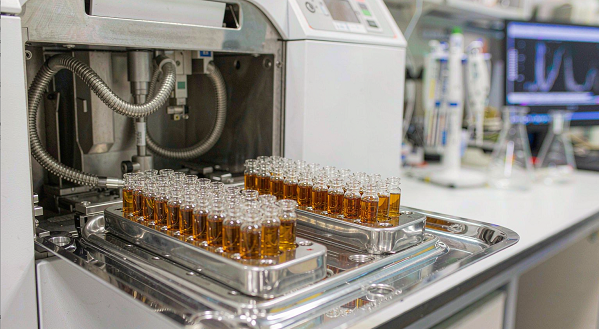
Reliable suppliers use HPLC testing to ensure accurate active ingredient measurement. This is essential for:
- Consistent formulation performance
- Regulatory compliance
- Batch-to-batch reliability
3. Physical and Chemical Stability
Key considerations include:
- Product appearance (light yellow liquid consistency)
- Stability under storage conditions
- Compatibility with common formulation systems
4. Manufacturing Consistency
Stable production processes reduce variability and ensure predictable performance in downstream formulations.
Procurement teams should prioritize suppliers with documented quality control systems and standardized manufacturing procedures.
Complementary Ingredient Synergy and Formulation Compatibility
Pyrethrins are notoriously sensitive to UV light, heat, and alkaline conditions. If your supplier sells you poor-quality extract, your final emulsion concentrate (EC) or wettable powder (WP) will degrade on the shelf.
A reliable manufacturer does not just sell liquid; they provide technical data sheets regarding:
- Solvent selection (Does the extract use mineral oil, vegetable oil, or synthetic solvents?)
- Stabilizers (Are synergists like PBO or antioxidants included in the masterbatch?)
Supply Chain Reliability and Compliance Standards
For procurement professionals, supplier evaluation should extend beyond product specifications.
1. Production Capacity and Stability
A qualified supplier should demonstrate:
- Scalable production capacity
- Consistent output throughout the year
- Risk mitigation for raw material shortages
2. Quality Management Systems
Strong quality systems ensure consistency and reduce formulation risks. Key indicators include:
- Batch traceability
- Standardized production workflows
- In-process quality control
3. Regulatory Documentation Support
Manufacturers require complete documentation packages, including:
- Certificate of Analysis (COA)
- Safety Data Sheet (SDS)
- Technical Data Sheet (TDS)
- Manufacturing process information (when required)
These documents support registration, export compliance, and customer approval processes.
4. Export Experience and Global Compliance
International suppliers should understand:
- Regional pesticide regulations
- Import/export documentation requirements
- Customer-specific compliance needs
This reduces delays and improves global supply chain efficiency.
Regulatory Dossier Support (The Hidden Cost)
This is where many procurement officers underestimate costs. To register a pesticide in the US (EPA), Europe (EC 1107/2009), or Brazil (ANVISA), you need the full 5-batch analysis and the manufacturing process of the active ingredient.
If your pyrethrins supplier is just a trader buying spot volumes from Kenya or Rwanda, they cannot provide these proprietary data.
The Solution: Partner with a distributor that maintains a direct relationship with the extraction facility and can legally provide the Technical Equivalent data required for your global registrations.
Service Solutions Beyond Raw Material Supply
Modern procurement teams expect suppliers to act as technical partners, not just vendors.
A reliable pyrethrins supplier should provide:
- Technical consultation for formulation development
- Sample support for laboratory and field testing
- Flexible order quantities for pilot and commercial production
- Fast response for technical and documentation requests
- Long-term supply planning and inventory stability
How Green Agri Supports Manufacturers
With over 20 years of experience in botanical pesticide manufacturing, Green Agri provides:
- High-purity 25% and 50% pyrethrins light yellow liquid
- HPLC-tested quality assurance
- Stable production and supply systems
- Full technical documentation support
- Sample provision for formulation evaluation
- Responsive B2B customer service
We support pesticide manufacturers, distributors, and formulation companies worldwide in building reliable and competitive product lines.
Conclusion
Selecting a pyrethrins supplier is a strategic procurement decision that directly impacts formulation quality, regulatory compliance, and supply chain stability. Beyond price considerations, manufacturers must evaluate consistency, documentation support, technical compatibility, and long-term reliability.
High-quality botanical insecticide production depends on stable raw materials and experienced suppliers who understand both science and market requirements.
Green Agri combines two decades of botanical pesticide manufacturing experience with strict quality control systems and flexible supply capabilities. We support global pesticide manufacturers with dependable pyrethrins solutions tailored to modern formulation needs.
Contact Green Agri today to request samples, technical documents, or customized supply solutions for your insecticide formulations.