Ascophyllum Nodosum Extract: Benefits and Uses in Modern Crop Production
Modern agriculture faces increasing pressure to improve crop productivity while managing soil health, water shortages, and environmental stress. Farmers and agricultural input manufacturers are exploring plant biostimulants to support more efficient crop production.
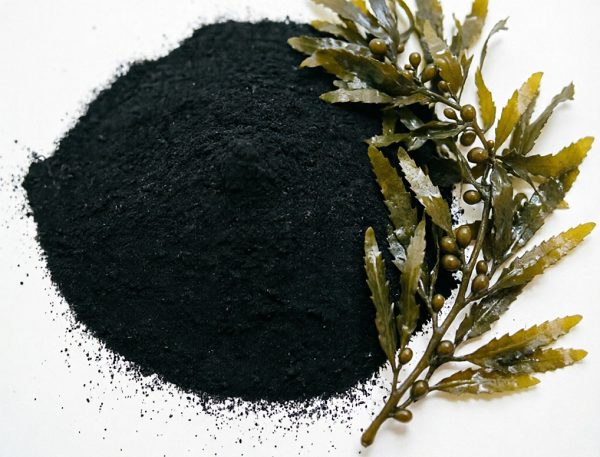
Ascophyllum nodosum extract is one of the most widely studied seaweed-based biostimulants. It comes from brown seaweed and contains natural polysaccharides, minerals, polyphenols, and other bioactive compounds.
In modern agriculture, this extract is used to support root development, nutrient uptake, plant stress responses, and crop quality. It is also available in liquid and powder formulations for different agricultural applications.
In this article, we will explore its functions and applications, with the aim of helping fertilizer manufacturers, agricultural distributors, and growers select the right products to suit their specific needs.
What Makes Ascophyllum Nodosum Extract Valuable?
Ascophyllum nodosum is a brown seaweed commonly found along the North Atlantic coast. It grows in coastal environments with changing temperatures, salinity, and tidal conditions.
These environmental conditions contribute to its production of various natural compounds. Active ingredients can be extracted from brown algae through appropriate extraction processes. For details on the specific production methods, please read: How Is Ascophyllum Nodosum Extract Made? From Seaweed to Agricultural Products
The value of Ascophyllum nodosum extract comes from its complex composition. Important components include:
- Polysaccharides: Alginate, laminarin, and fucoidan are important seaweed-derived carbohydrates.
- Mannitol: A natural sugar alcohol associated with osmotic regulation and stress responses.
- Polyphenols: These compounds contribute to antioxidant activity.
- Minerals: The extract may contain potassium, calcium, magnesium, and trace elements.
- Other bioactive compounds: Natural compounds may influence plant signaling and physiological processes.
Unlike conventional fertilizers that mainly supply essential nutrients, seaweed extracts primarily function as plant biostimulants. They help regulate plant physiological processes rather than replace standard NPK fertilizers.
This makes Ascophyllum nodosum extract agriculture applications particularly relevant to integrated crop nutrition and sustainable farming programs.
How Does Ascophyllum Nodosum Extract Promote Plant Growth and Root Development?
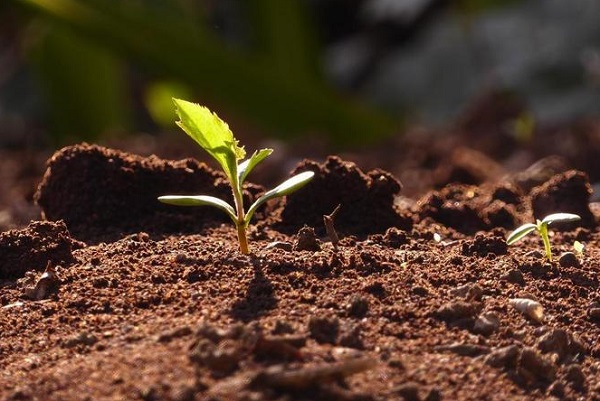
Healthy root systems are essential for crop establishment and long-term productivity. Strong roots help plants explore more soil, absorb water, and access essential nutrients.
Ascophyllum nodosum extract may support root development by influencing plant growth regulation and metabolic activity.
Its bioactive compounds can stimulate several important growth processes:
Root development: Seaweed biostimulants may encourage lateral root formation and root branching. A more developed root system can improve access to soil moisture and nutrients.
Seed germination: Certain formulations may support early seedling development and improve seedling vigor under suitable conditions.
Vegetative growth: Applications may support shoot development, leaf expansion, and chlorophyll production. These changes can contribute to stronger early plant growth.
Photosynthetic activity: Some studies report improvements in chlorophyll content and photosynthetic performance following seaweed extract treatments.
For agricultural fertilizer manufacturers, these properties make Ascophyllum nodosum extract a useful ingredient in formulations designed for seed treatment, transplant establishment, and early vegetative growth.
How Does Ascophyllum Nodosum Extract Improve Nutrient Uptake and Use Efficiency?
Nutrient availability does not always guarantee efficient nutrient absorption. Plants must develop healthy roots and maintain active metabolic processes to use available nutrients effectively.
Fertilizer runoff and nutrient lock-up in the soil cost growers money and harm the environment. Seaweed extracts help solve this problem by boosting nutrient use efficiency (NUE) in two ways:
-
Natural Chelation in the Soil: Alginates and mannitol bind to positively charged micronutrients—such as iron, zinc, calcium, and magnesium—keeping them soluble and preventing them from locking up in high-pH or poor soils.
-
Enhanced Root Transporter Activity: Research shows that Ascophyllum nodosum triggers the expression of genes responsible for nitrate, phosphate, and potassium transport inside plant roots.
As a result, crops absorb more nutrients from existing soil reserves and applied fertilizers. For growers, this means getting better results from every pound of fertilizer applied while lowering the risk of nutrient leaching.
Can Ascophyllum Nodosum Extract Help Crops Tolerate Environmental Stress?
Drought, extreme heat, late frosts, and high soil salinity are major threats to farm profitability. Because Ascophyllum nodosum endures freezing air at low tide and salty, turbulent water at high tide, its extract primes crops to handle similar abiotic stresses.
When applied before or during stressful weather, betaines and mannitol accumulate inside plant leaves, helping cells maintain turgor pressure and preventing dehydration. At the same time, the extract boosts the plant’s production of antioxidant enzymes. These enzymes neutralize harmful reactive oxygen species (ROS) that build up during heatwaves or droughts and damage plant tissue. Crops treated regularly with seaweed extract recover faster after weather shocks and suffer less yield loss.
How Does Ascophyllum Nodosum Extract Support Flowering, Fruit Setting, and Crop Yield?
Flowering and fruit development are important stages in determining final crop productivity. Nutritional imbalances and environmental stress during these periods can affect flower formation, pollination, and fruit retention.
Applying Ascophyllum nodosum extract just before flowering strengthens pollen viability and supports uniform blossom development. During early fruit set, the extract directs carbohydrates and nutrients toward developing fruits, grains, or tubers. Growers consistently observe several commercial benefits at harvest:
-
Higher fruit retention and reduced premature drop.
-
More uniform fruit sizing and better skin color.
-
Increased Brix levels (sugar content) and firmness, which extend post-harvest shelf life.
Research on tomato and sweet pepper has reported positive responses in flowering, fruit production, and yield following Ascophyllum nodosum treatments, particularly when integrated with other crop management practices.
Which Crops Benefit Most from Ascophyllum Nodosum Extract?
Ascophyllum nodosum extract has applications across several agricultural sectors. Different crops may benefit from different application strategies.
| Crop Type | Potential Benefits | Common Application Focus |
|---|---|---|
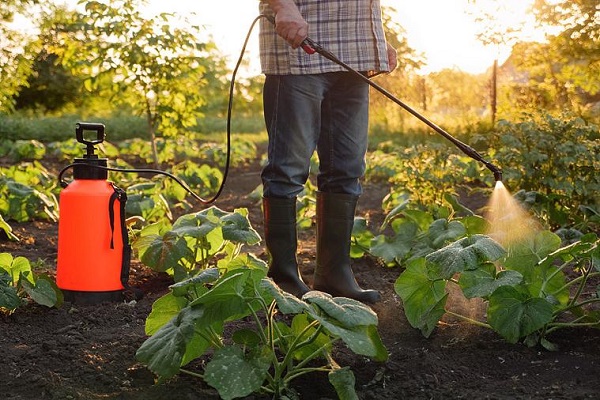
| Vegetables | Root growth, plant vigor, fruit development | Foliar spray and fertigation |
| Fruit Trees | Flowering, fruit setting, fruit quality | Foliar application and soil drenching |
| Cereals | Seedling establishment and nutrient use | Seed treatment and foliar spray |
| Legumes | Root development and stress tolerance | Seed treatment and soil application |
| Turf and Ornamentals | Root growth and environmental resilience | Foliar spray and irrigation |
For vegetable production, manufacturers often develop formulations for tomato, pepper, cucumber, and leafy vegetables.
In fruit production, seaweed-based products are commonly incorporated into crop management programs during vegetative growth, flowering, and fruit development.
For cereal crops, seed treatment and early-stage applications are potential ways to support seedling establishment.
The most suitable application depends on the crop, growth stage, local climate, and product formulation.
How to Choose the Right Ascophyllum Nodosum Extract for Agricultural Formulations?
For fertilizer manufacturers, distributors, and agricultural input companies, selecting a reliable raw material is important for product development and consistent performance.
Several factors deserve attention when purchasing bulk Ascophyllum nodosum extract.
1. Raw Material Identification
Confirm that the product comes from authentic Ascophyllum nodosum. Botanical identification and raw material traceability help ensure material consistency.
2. Active Component Specifications
Review the Ascophyllum nodosum extract composition, including alginate, polysaccharides, mannitol, and other relevant components. The selected specifications should match the intended formulation.
3. Powder and Liquid Formulations
Ascophyllum nodosum extract powder is suitable for dry fertilizer blends, soluble formulations, and certain granulated products.
Liquid extract is convenient for foliar sprays, fertigation, and other liquid agricultural formulations.
Consider moisture content, water solubility, pH, and compatibility with other ingredients.
4. Product Consistency and Quality Control
Request a Certificate of Analysis (COA), product specification, and relevant quality documents. Batch-to-batch consistency is particularly important for large-scale fertilizer manufacturing.
5. Supplier Experience and Supply Capacity
A reliable Ascophyllum nodosum extract supplier should provide clear product specifications, technical support, sample availability, and stable bulk supply.
Manufacturers should also evaluate packaging, storage conditions, delivery schedules, and customization options before placing large orders.
Choosing the right seaweed extract helps agricultural companies develop more consistent formulations for different crop production systems.
Looking for a Reliable Ascophyllum Nodosum Extract Supplier?
If you are developing seaweed-based fertilizers, plant biostimulants, or crop nutrition products, we can help you find suitable Ascophyllum nodosum extract solutions.
Green Agri offers natural solutions for agricultural formulations, backed by 20 years of expertise in producing raw materials for botanical fertilizer additives. We supply bulk Ascophyllum nodosum extract, produced via enzymatic hydrolysis, with an organic matter content of ≥ 50% and an alginic acid content of ≥ 20%. Our product features excellent water solubility, and we provide a full suite of technical documentation—including a Certificate of Analysis (COA) and Safety Data Sheet (SDS)—for every batch.
Contact our team to request product specifications, COA, samples, and bulk pricing for your formulation requirements.
References
1. Shukla, P. S., et al. (2019). Ascophyllum nodosum-Based Biostimulants: Sustainable Applications in Agriculture for the Stimulation of Plant Growth, Stress Tolerance, and Disease Management. Frontiers in Plant Science, 10, 655.
2. Ali, O., Ramsubhag, A., & Jayaraman, J. (2021). Biostimulant Properties of Seaweed Extracts in Plants: Implications towards Sustainable Crop Production. Plants, 10(3), 531.
3. Rouphael, Y., et al. (2018). Impact of Microalgae and Seaweed-Based Biostimulants on Vegetable Crop Production. Agronomy, 8(5), 75.
4. Kumari, R., et al. (2023). Ascophyllum nodosum (L.) Le Jolis, a Pivotal Biostimulant toward Sustainable Agriculture: A Comprehensive Review. Agriculture, 13(6), 1179.
5. Bulgari, R., et al. (2019). Biostimulants and Crop Responses: A Review. Biological Agriculture & Horticulture, 35(1), 1–17.
6. Yakhin, O. I., et al. (2017). Biostimulants in Plant Science: A Global Perspective. Frontiers in Plant Science, 7, 2049.