How Is Ascophyllum Nodosum Extract Made? From Seaweed to Agricultural Products
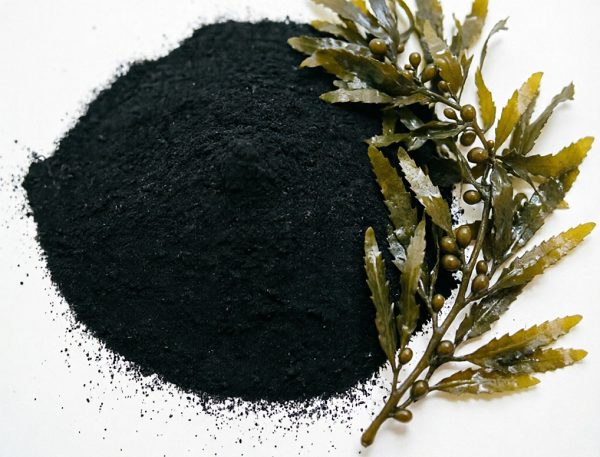
Ascophyllum nodosum, commonly known as Norwegian kelp or rockweed, is a type of seaweed widely favored in modern agriculture. This cold-water brown alga is extensively used as a biostimulant, soil conditioner, and plant immune booster, providing crops with essential nutrients and natural hormones.
But how does raw seaweed become a finished agricultural ingredient?
Brown algae extract comes in various forms, including liquids, flakes, and powders. Different extraction techniques can also influence the final composition and characteristics of the extract.
In this article, we explain the manufacturing process of Ascophyllum nodosum extract powder, with a special focus on enzymatic hydrolysis and powder production. We also discuss its key bioactive compounds, agricultural applications, and important factors for choosing a reliable supplier.
What Is Ascophyllum Nodosum? Understanding the Raw Seaweed Material
Ascophyllum nodosum is a species of brown seaweed that grows exclusively along the intertidal zones of the North Atlantic Ocean. Exposed to extreme environmental conditions—such as icy waters, fluctuating tides, high salinity, and intense sun exposure—this seaweed has evolved powerful natural stress-defense mechanisms.
Rich in alginates, mannitol, fucoidan, and plant-growth signaling compounds, Ascophyllum nodosum acts as a concentrated storehouse of bioactive substances. When applied to agricultural crops, these same compounds help plants withstand abiotic stresses like drought, extreme temperatures, and soil salinity.
How Is Kelp Ascophyllum Nodosum Extract Harvested and Processed?
Producing an ideal Ascophyllum nodosum extract powder begins with the selection of suitable algal biomass raw material.
Harvesting conditions influence the quality of the raw material. Factors such as the maturity of the seaweed, its origin, the season of harvest, and environmental conditions must all be taken into account.
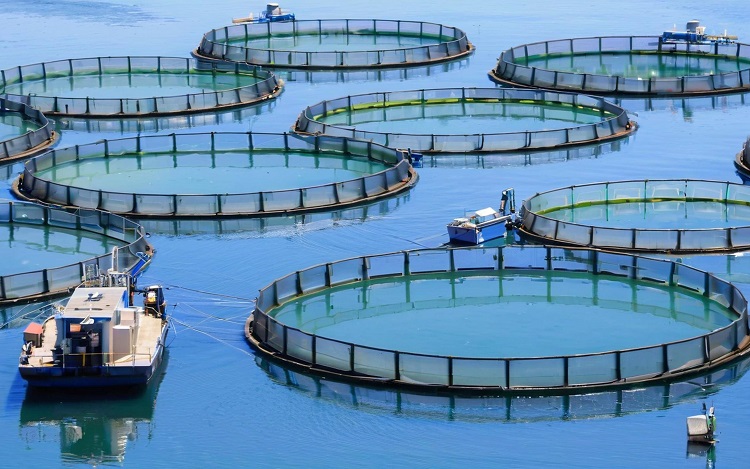
Ocean harvesting requires precise timing and sustainable practices to protect marine ecosystems while capturing peak nutrient density.
-
Sustainable Marine Harvesting: Specialized harvesting vessels cut the upper fronds of the seaweed, leaving the basal holdfast intact. This allows the plant to naturally regenerate.
-
Washing and Sorting: Freshly harvested raw seaweed is immediately washed with clean water to remove marine sand, salt, micro-organisms, and debris.
-
Drying and Storage: The clean seaweed undergoes controlled air-drying or low-temperature mechanical drying to lock in its heat-sensitive bio-compounds before transport to the processing facility.
From Seaweed to Extract: Key Steps in Ascophyllum Nodosum Extraction
Extraction is a critical stage because it determines which compounds enter the final product.
Commercial manufacturers use different extraction technologies, including water-based extraction, acid or alkaline hydrolysis, and other specialized methods. These processes can produce extracts with different chemical profiles and biological properties.
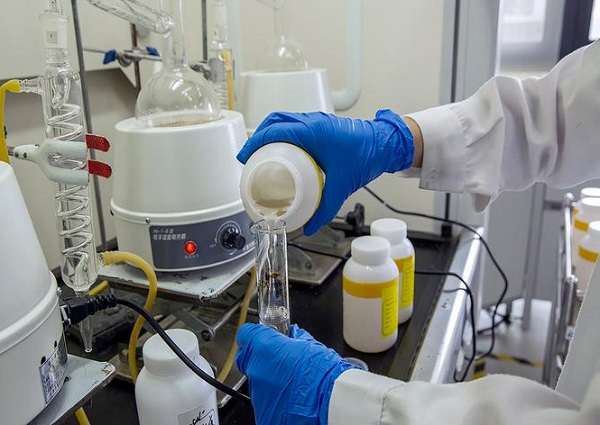
Our manufacturing process uses enzymatic hydrolysis for powder production.
The main production stages include:
Step 1: Seaweed Preparation
Cleaned Ascophyllum nodosum is prepared for extraction. Proper size reduction helps improve contact between the seaweed material and the extraction medium.
Step 2: Enzymatic Hydrolysis
Suitable enzymes are introduced under controlled processing conditions. They help break down selected complex components in the seaweed structure.
This process supports the release of soluble compounds into the extraction medium. Enzyme selection and processing conditions are important factors in product consistency.
Step 3: Solid-Liquid Separation
After hydrolysis, the mixture undergoes filtration or other separation processes. This step removes insoluble seaweed residues and produces a liquid extract.
Step 4: Concentration
The extracted liquid is concentrated to prepare it for the next processing stage. Process control helps maintain consistent solids content.
Step 5: Final Product Processing
The concentrated extract can be processed into different commercial forms. For powder production, the liquid extract moves to a suitable drying stage.
How Is Ascophyllum Nodosum Extract Powder Produced?
After enzymatic hydrolysis, filtration, and concentration, the liquid extract enters the drying process. Spray drying is one possible industrial method for converting concentrated liquid extract into powder.
The general powder production process includes:
- Concentration: Adjust the solids content before drying.
- Spray Drying: Convert the concentrated liquid into fine powder through controlled drying.
- Sieving: Improve particle size consistency and remove oversized particles.
- Blending: Improve batch uniformity when required.
- Metal Detection: Help identify and control potential metal contamination.
- Packaging: Pack the finished powder in suitable moisture-resistant materials.
The final powder should meet the required specifications for moisture, appearance, solubility, and other agreed quality parameters.
Key Bioactive Compounds in Ascophyllum Nodosum Extract
The value of Ascophyllum nodosum extract comes from its complex natural composition.
Several compounds are particularly relevant to agricultural applications:
| Bioactive Compound |
Primary Agricultural Function
|
| Alginic Acid & Alginates |
Improves soil structure, enhances water retention, and chelates soil minerals.
|
| Mannitol & Betaines |
Protects plant cells against osmotic stress, drought, and frost.
|
| Fucoidan & Laminarin |
Triggers plant systemic acquired resistance to combat stresses.
|
| Natural Phytohormones |
Promotes root elongation, shoot growth, and fruit setting.
|
| Organic Minerals & Trace Elements |
Delivers bio-available Potassium (K), Calcium (Ca), and Magnesium (Mg).
|
Quality Control and Testing Standards for Ascophyllum Nodosum Extract
For agricultural formulators and commercial distributors, product consistency and safety are top priorities. A reputable factory performs strict quality control tests on every batch of powder:
-
Water Solubility: Rapid and complete 100% dissolution in water without leaving gritty sediment, preventing nozzle clogging in sprayers.
-
Heavy Metal Screening: Testing via ICP-MS to ensure Arsenic (As), Lead (Pb), Cadmium (Cd), and Mercury (Hg) comply with international organic farming standards.
-
Active Content Assay: Standardizing levels of alginic acid, organic matter, and potassium content.
-
pH and Moisture Content: Maintaining optimal powder moisture levels (under 5%) to guarantee shelf-life stability up to 36 months.
You should request a Certificate of Analysis (COA), product specification, and relevant third-party testing reports.
Agricultural Applications of Ascophyllum Nodosum Extract in Modern Farming
Enzymatic Ascophyllum nodosum powder is versatile and integrates easily into standard crop management programs across fruit trees, row crops, vegetables, and ornamentals.
-
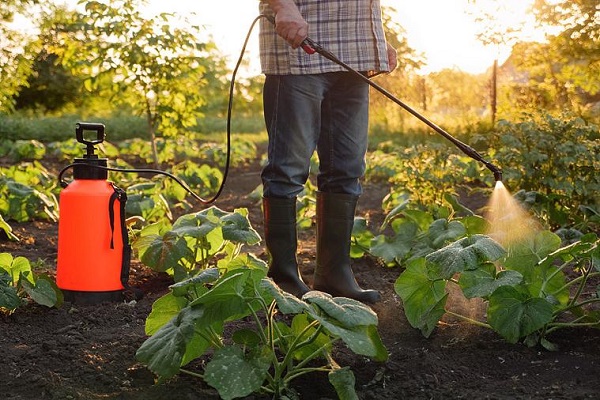
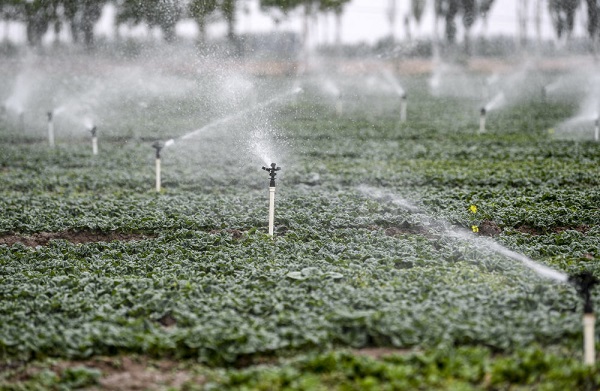
Foliar Spraying: Rapidly absorbed by leaves to relieve heat or drought stress and stimulate photosynthesis during critical growth stages.
-
Drip Irrigation & Fertigation: Delivers organic matter and alginates directly to the root zone, improving soil micro-flora and root architecture.
-
Fertilizer Raw Material & Blending: Serves as a high-value active ingredient in NPK liquid fertilizers, amino acid biostimulants, and water-soluble granule formulations.
-
Seed Treatment: Enhances seed germination rates and early seedling vigor.
How to Choose a Reliable Ascophyllum Nodosum Extract Factory?
Choosing the right Ascophyllum nodosum extract factory is important for fertilizer manufacturers, agricultural input distributors, and biostimulant brands.
Before placing a bulk order, consider the following factors:
- Raw Material Traceability: Ask about the botanical source and raw material quality management.
- Extraction Technology: Understand whether the factory uses water extraction, enzymatic hydrolysis, or other methods.
- Product Forms: Check whether the supplier offers liquid, flakes, and powder.
- Quality Specifications: Request detailed specifications covering moisture, solubility, pH, and relevant active components.
- Testing Capability: Confirm whether the supplier provides heavy metal and microbiological testing.
- Production Capacity: Evaluate whether the factory can support stable bulk orders and repeat purchases.
- Documentation: Request COA, SDS, technical data sheets, and other available quality documents.
A professional supplier should provide clear product information and communicate openly about its manufacturing process.
For agricultural ingredient buyers, stable quality and reliable supply are just as important as competitive pricing.
Looking for a Reliable Ascophyllum Nodosum Extract Supplier?
Green Agri is a professional botanical fertilizer additives manufacturer. For 20 years, we have been dedicated to providing natural components for organic agriculture worldwide, with a firm commitment to environmental sustainability.
We supply bulk Ascophyllum nodosum extract for agricultural and biostimulant applications. Our product range includes liquid, flakes, and powder. We support B2B buyers with bulk supply, product specifications, COA, and technical documentation.
Contact us today to request a sample, discuss your formulation requirements, or get a quotation for bulk Ascophyllum nodosum extract powder.
References
Shukla, P. S., Mantin, E. G., Adil, M., Bajpai, S., Critchley, A. T., & Prithiviraj, B. (2019). Ascophyllum nodosum-Based Biostimulants: Sustainable Applications in Agriculture for the Stimulation of Plant Growth, Stress Tolerance, and Disease Management. Frontiers in Plant Science, 10, 655.
Kumari, S., et al. (2023). Ascophyllum nodosum (L.) Le Jolis, a Pivotal Biostimulant toward Sustainable Agriculture: A Comprehensive Review. Agriculture, 13(6), 1179.
Khan, W., et al. (2009). Seaweed Extracts as Biostimulants of Plant Growth and Development. Journal of Plant Growth Regulation, 28(4), 386–399.
Craigie, J. S. (2011). Seaweed Extract Stimuli in Plant Science and Agriculture. Journal of Applied Phycology, 23(3), 371–393.
Yuan, Y., & Macquarrie, D. (2015). Microwave Assisted Extraction of Sulfated Polysaccharides (Fucoidan) from Ascophyllum nodosum and Its Antioxidant Activity. Carbohydrate Polymers, 129, 101–107.
Arioli, T., Mattner, S. W., & Winberg, P. C. (2015). Applications of Seaweed Extracts in Australian Agriculture: Past, Present and Future. Journal of Applied Phycology, 27, 2007–2015.