Why Brown Algae Powder Is Used as a Ruminant Feed Additive?
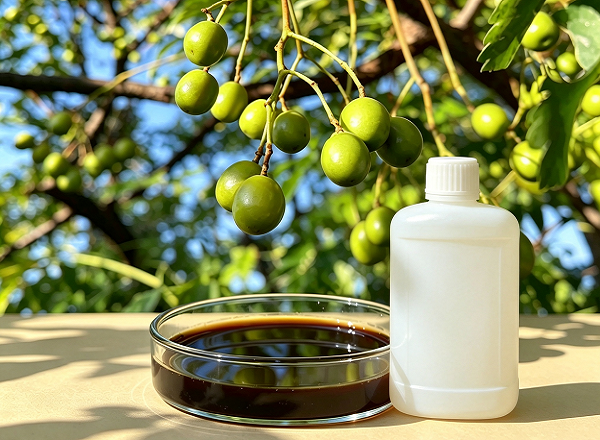
In the field of modern ruminant nutrition, people are constantly seeking natural sources to improve animal health and increase feed conversion rates. Brown algae powder has garnered significant attention due to its multifunctional benefits in cattle and sheep diets. Brown algae powder rich in bioactive compounds and even contributes to environmental sustainability.
In this article, we will explore why brown algae powder is increasingly being added to ruminant feed formulations.
What Is Brown Algae Powder?
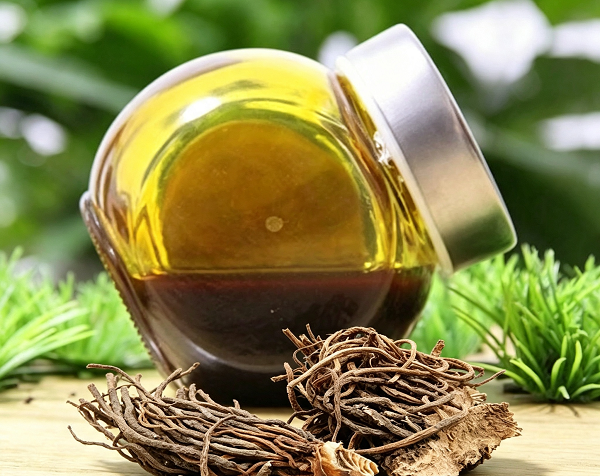
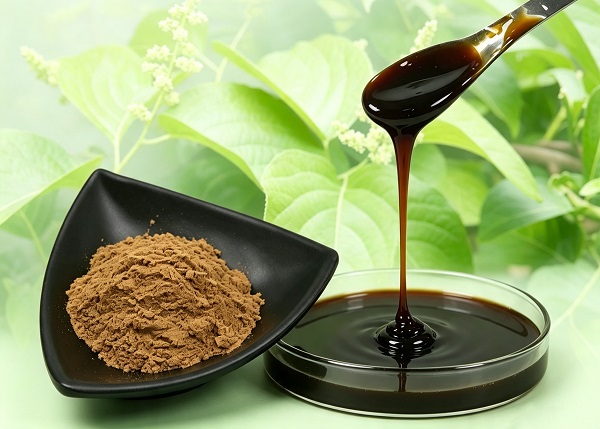
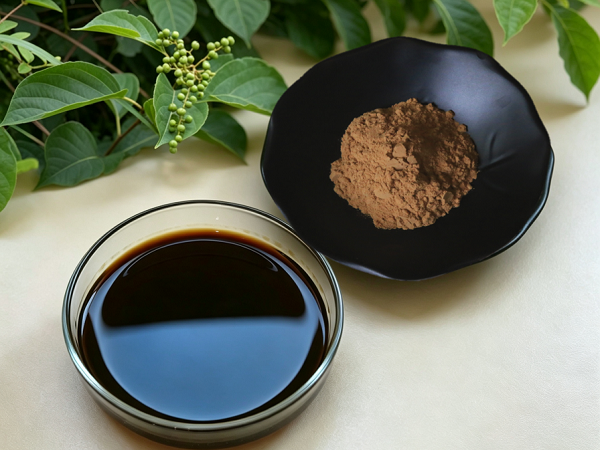
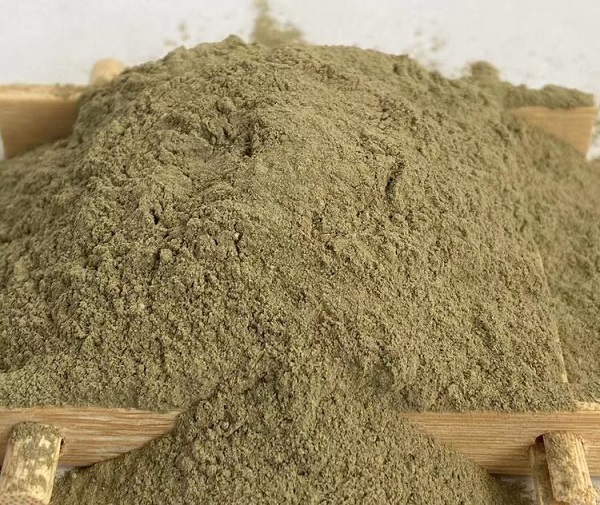
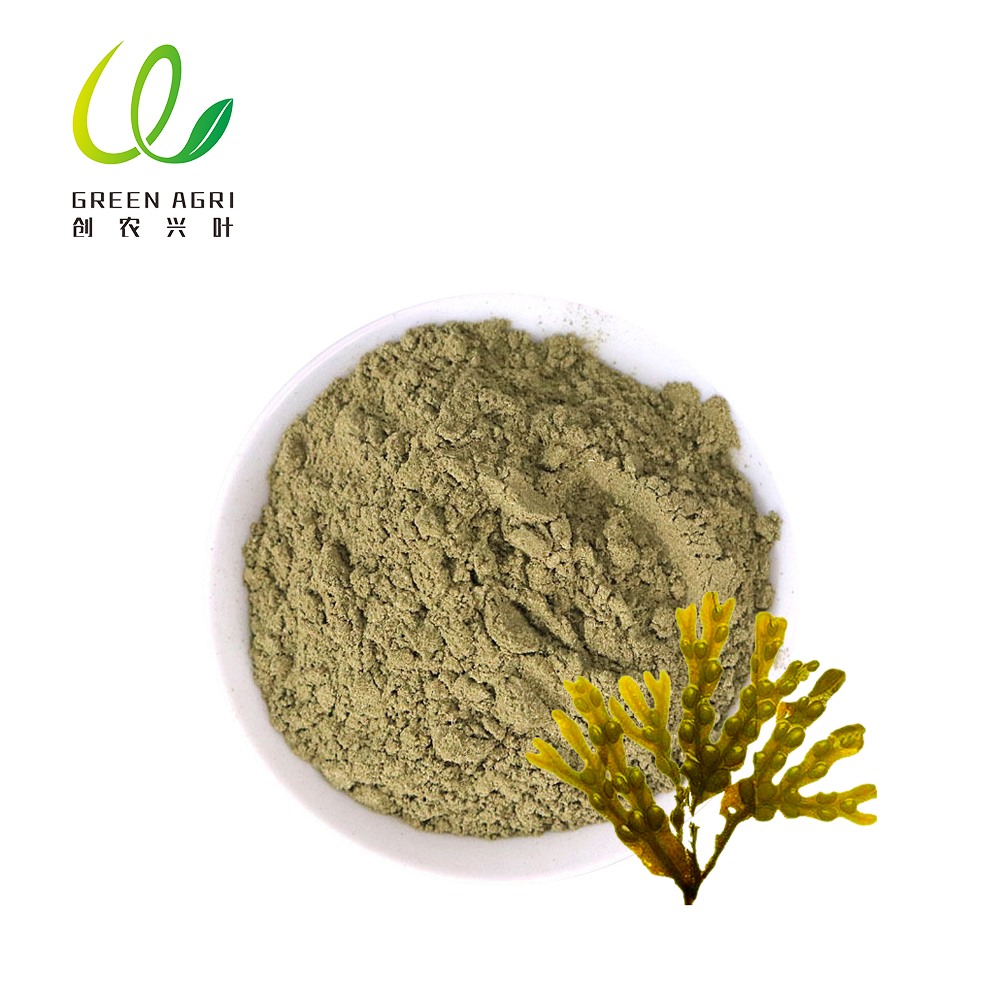
Brown algae powder is a natural product derived from various species of marine macroalgae, such as Ascophyllum nodosum. Unlike terrestrial plants, these seaweeds are harvested from nutrient-rich marine environments and then dried and ground into a fine, stable powder. This processing method preserves a wealth of minerals, vitamins, and unique carbohydrates that are not typically found in traditional grain or forage diets.
Key Bioactive Compounds in Brown Algae Powder for Feed Applications
Brown seaweed powder is rich in bioactive compounds, is a valuable feed additive. Key components include:
- Polysaccharides such as laminarin and fucoidan, which support gut health.
- Polyphenols, acting as antioxidants to reduce oxidative stress. Phlorotannins are unique polyphenols found only in brown algae, and they have antioxidant and antibacterial properties.
- Minerals like iodine, calcium, magnesium, and potassium, essential for metabolic and skeletal health.
- Vitamins including vitamins A, C, and E, contributing to overall immune function.
How Brown Algae Powder Influences Rumen Fermentation and Microbial Balance?
The rumen of ruminants is a complex fermentation tank where billions of microorganisms break down cellulose. Brown seaweed powder acts as a modulator in this environment. The phlorotannins and soluble polysaccharides influence the microbial population, often encouraging the growth of beneficial bacteria while inhibiting those that produce excess waste gases. This shift helps maintain stable rumen pH, thereby reducing the risk of subacute rumen acidosis during high-grain feeding periods.
Natural Alternative to Synthetic Additives
With increasing regulatory pressure and growing consumer demand for antibiotic-free and hormone-free meat and dairy products, brown algae powder offers a viable natural alternative. Its inherent antibacterial and immune-boosting properties allow producers to reduce their reliance on synthetic growth promoters. As a whole-food ingredient, it provides a clean-label solution for modern livestock management.
Can Brown Algae Powder Help Improve Feed Efficiency in Ruminant Diets?
Research suggests that the bioactive compounds in brown algae can improve nutrient digestibility. By optimizing the rumen environment and supporting the integrity of the intestinal lining, more nutrients are absorbed rather than excreted. This means animals can reach their production targets with less total feed, lowering the overall cost of production.
Brown Algae Powder in Supporting Metabolic and Digestive Health
In addition to aiding digestion, brown algae powder also supports the overall health of animals. Fucoidan and laminin have been shown to stimulate the immune system, helping cattle and sheep better resist pathogens and environmental stressors. Furthermore, its high antioxidant content helps neutralize free radicals, which is particularly beneficial during high-stress periods such as weaning, transportation, or peak lactation.
Brown Algae Powder and Methane Reduction
Methane is not only a greenhouse gas but also causes energy loss in animal diets. Certain bioactive compounds in brown algae, particularly specific polyphenols, have been shown to inhibit methanogenic bacteria, archaea that produce methane in the rumen. This not only allows for the preservation of energy in animal feed but also contributes to environmental sustainability.
Applications of Brown Algae Powder in Cattle and Sheep Feed
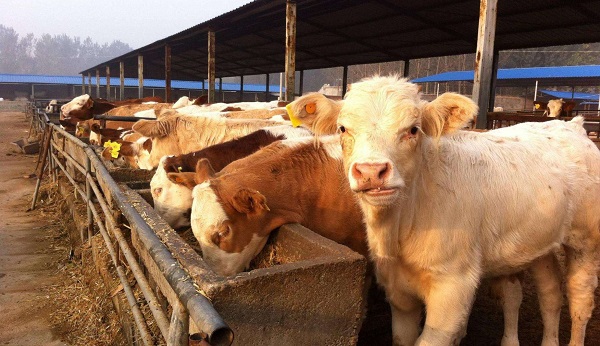
Brown algae powder can be incorporated into multiple types of ruminant diets:
- Total Mixed Rations for dairy and beef cattle.
- Concentrate feeds for lambs and growing cattle.
- Mineral-vitamin premixes for sheep and goats.
- Typical inclusion rates depend on product specifications and production goals, but the powder’s versatility allows it to be used across growth, lactation, and maintenance stages.
The addition ratio depends on product specifications and production goals, but the versatility of brown algae powder makes it suitable for use in the growth, lactation, and maintenance stages.
Safety and Regulatory Considerations for Brown Algae Powder
Brown algae is generally recognized as safe (GRAS) and is widely approved for use in animal feed across the globe, including in the EU and North America. Key considerations include:
- Monitoring iodine content to prevent thyroid imbalance.
- Ensuring heavy metal levels meet feed safety regulations.
- Complying with local feed additive regulations for marine-derived products.
Reputable suppliers collect algae from clean water bodies and test them for heavy metals to ensure that they provide safe and reliable products for the animal food chain.
Partnering with Green Agri
Green Agri specializes in producing high-quality plant-based feed additives. We supply bulk brown algae powder, TLC tested, with 2 tons in stock. We can provide documentation such as COA, specification sheets, SDS, and flow charts. By partnering with us, feed producers and livestock farmers can access reliable natural solutions to improve ruminant health, increase feed conversion rates, and support sustainable production. Contact us today!
Reference
https://www.mdpi.com/2311-5637/8/10/504
https://www.tandfonline.com/doi/full/10.4081/ijas.2012.e31
https://www.researchgate.net/publication/395269303_Algae_as_a_sustainable_feed_resource_revolutionizing_animal_nutrition
https://www.fda.gov/food/generally-recognized-safe-gras/microorganisms-microbial-derived-ingredients-used-food-partial-list
https://efsa.onlinelibrary.wiley.com/doi/10.2903/j.efsa.2016.4414