Lutein and Zeaxanthin: Natural Carotenoids for Animal Feed
Today, the animal nutrition industry has an increasing demand for functional ingredients from natural sources, lutein and zeaxanthin have become increasingly important in feed formulations. These two carotenoids are typically extracted from Tagetes erecta and have significant nutritional and commercial value in poultry, pet food, and aquaculture.
In this blog post, we will detail the sources of lutein and zeaxanthin, their applications in feed, and purchasing considerations.
What are Lutein and Zeaxanthin?
Lutein and zeaxanthin are naturally occurring xanthophyll carotenoids found in plants, especially in marigold flowers. Unlike beta-carotene, the body cannot convert them into vitamin A, but they play crucial roles as antioxidants and pigments. In animal nutrition, feed formulators widely use them to support eye health and enhance the natural coloration of eggs, skin, feathers, and fish.
Since animals cannot synthesize these compounds themselves and must obtain them through food, adding lutein and zeaxanthin to feed formulations is essential.
Why are Marigolds the Preferred Source for These Carotenoids?
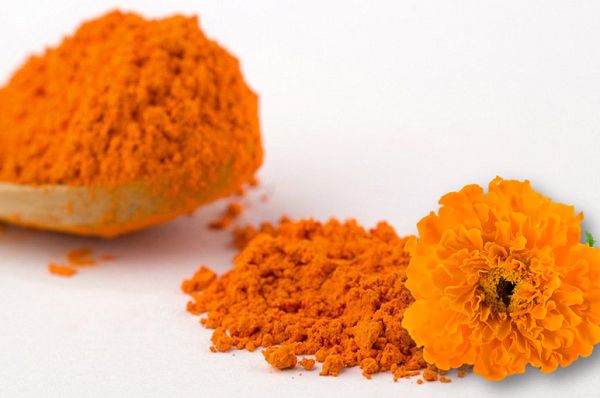
While leafy green vegetables such as kale or spinach also contain lutein and zeaxanthin, marigolds (Tagetes erecta) have high lutein content, typically accounting for 70% or more of their total carotenoid content.
This naturally high content makes marigold extract more cost-effective and sustainable in large-scale animal feed production. Furthermore, marigold-derived lutein typically occurs as lutein esters, and this molecular structure provides strong stability during feed production, helping retain nutrients even under the high temperatures and pressures of pelleting.
What Effects Do Lutein and Zeaxanthin Offer in Poultry?
In poultry production, feed formulators widely use lutein and zeaxanthin to support performance and enhance visual quality.
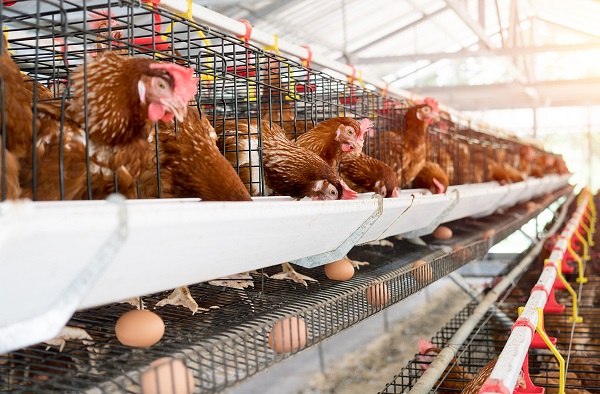
These carotenoids can improve egg yolk pigmentation and enhance the color of broiler skin and shanks. Beyond aesthetics, lutein and zeaxanthin support the immune system by reducing inflammation and protecting cell membranes from oxidative damage. By bolstering the bird’s natural defenses, these pigments contribute to better growth rates and lower mortality, creating a more resilient flock.
How Do They Improve Egg Yolk Color Naturally?
One of the most immediate indicators of egg quality for a consumer is the color of the yolk. A rich, golden-orange yolk is often perceived as a sign of a healthy, “farm-fresh” egg. Since hens cannot synthesize these pigments themselves, their diet must provide them.
When add marigold extract lutein to laying hen feed, it is absorbed by the intestines and deposited directly into the developing yolk. Formulators can precisely control the final yolk color by adjusting the ratio of lutein to zeaxanthin, thus providing a completely natural alternative to synthetic pigments.
Lutein and Zeaxanthin in Pet Food
In pet nutrition, premium dog and cat food brands increasingly use lutein and zeaxanthin as functional nutrients rather than just pigments. For dogs and cats, formulators highly value lutein and zeaxanthin for their antioxidant properties. They help protect pets from cell damage, thus preventing chronic diseases such as arthritis and cognitive decline. And they are believed to protect the pet’s skin’s lipid barrier from UV damage, resulting in shinier fur and healthier skin.
How Do Lutein and Zeaxanthin Support Animal Eye Health?
Like humans, lutein and zeaxanthin are the only two carotenoids that accumulate in the macula of the animal eye. They are believed to filter out high-energy blue light that can damage the retina. For older pets and high-value livestock, lutein and zeaxanthin supplementation can slow the progression of cataracts and prevent age-related macular degeneration. This is especially important for working animals or breeds prone to vision problems.
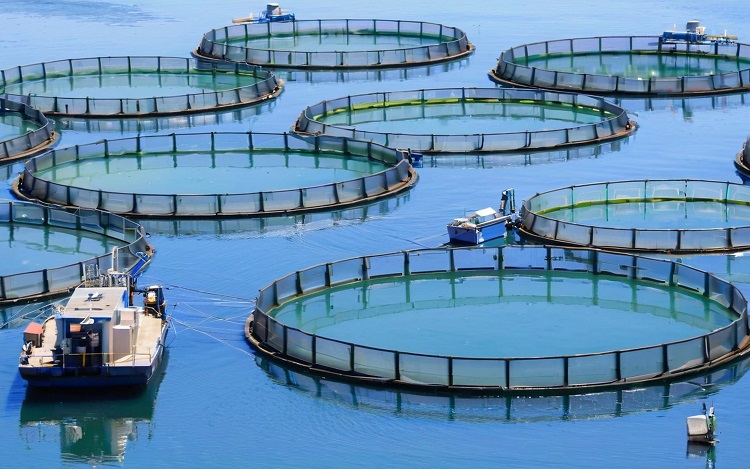
What Is Their Role in Aquaculture Diets?
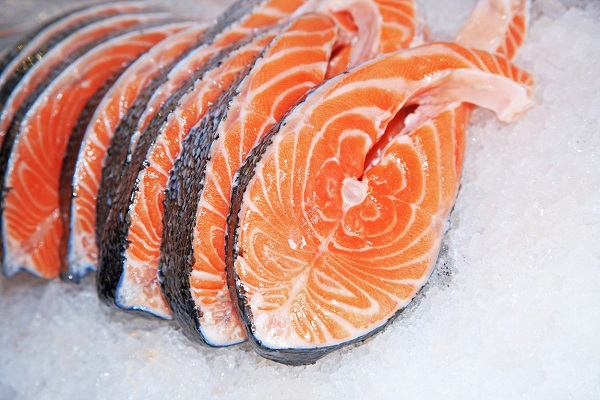
In aquaculture, appearance is paramount. Fish such as salmon, trout, and even ornamental goldfish depend on dietary carotenoids to develop their signature colors. Lutein and zeaxanthin are added to fish feed to enhance the yellow and orange hues of the skin and flesh. Furthermore, studies show that fish fry fed with carotenoid-rich diets have higher survival rates and greater resistance to aquaculture environments, making these carotenoids both economically and practically valuable.
What Should Feed Formulators Consider When Using Them?
For optimal results, formulators should consider several technical factors:
- Saponification: Free lutein (saponified) is generally more bioavailable for poultry than the ester form.
- Matrix Interferences: High levels of certain minerals or fats in the diet can affect how well these pigments are absorbed.
- Processing Temperature: Carotenoids are sensitive to heat. Formulators must choose stabilized beadlets or oils that can withstand the steam-conditioning and extrusion processes of feed mills.
- Target Color: The ratio of lutein to zeaxanthin needs to be precisely balanced.
- Regulatory compliance: Ensure conformity with local feed additive regulations.
Choose a Reliable Lutein and Zeaxanthin Supplier
Choosing the right supplier is crucial to ensuring consistent product quality, compliance with regulations, and your brand influence. Green Agri is a professional marigold extract manufacturer for animal nutrition applications. We offer a wide range of specifications to meet different formulation needs.
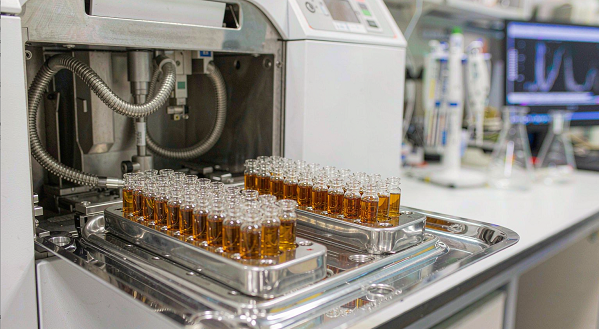
- Lutein: 5% to 80% (HPLC), Zeaxanthin: 0.5% to 60% (HPLC)
- Complete technical documentation, including COA, specification sheets, SDS, and production flowcharts
- 1,000 kg of ready stock in our US warehouse, supporting faster delivery and stable supply
For over 20 years, Green Agri helps feed manufacturers and pet food brands develop competitive products using reliable, plant-based ingredients. Contact us today to request a sample or a specification sheet for your next formulation.
Also See
Why Pet Food Brands Are Adding Lutein and Zeaxanthin?
How to Extract Lutein from Marigold
Reference
https://www.mdpi.com/2076-2615/15/13/1869
https://pmc.ncbi.nlm.nih.gov/articles/PMC4651639/
https://www.researchgate.net/publication/271886561_Enhancement_of_Yolk_Color_in_Raw_and_Boiled_Egg_Yolk_with_Lutein_from_Marigold_Flower_Meal_and_Marigold_Flower_Extract
https://www.e-fas.org/archive/view_article?pid=fas-27-9-622
https://www.mdpi.com/2304-8158/7/2/20