The Role of Matrine in Root-Knot Nematode Prevention
If you formulate or distribute crop protection products, you know that root-knot nematodes (Meloidogyne spp.) remain one of the most difficult soil-borne pests to manage. Their subterranean life cycle, rapid reproduction, and wide host range make long-term control challenging. As regulatory bodies tighten restrictions on synthetic fumigants and chemical nematicides, the industry has turned its focus toward botanical alternatives. Matrine has become an important botanical active pesticide for preventive nematode management.
Root-Knot Nematodes: A Persistent Soil Problem
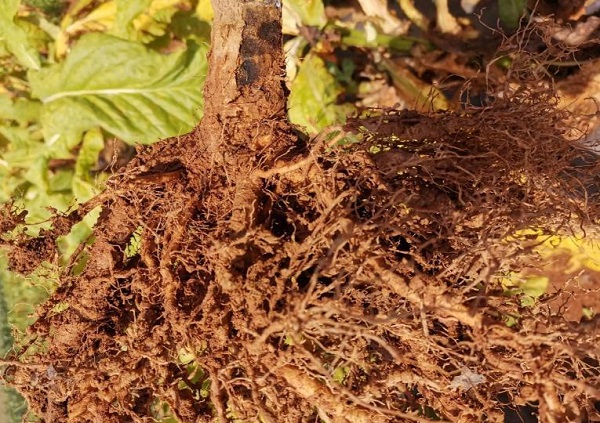
Root-knot nematodes penetrate plant roots and induce gall formation, disrupting water and nutrient uptake. This leads to reduced yields, uneven crop growth, and increased production risks. While chemical nematicides can provide short-term control, but residue concerns, resistance risk, and regulatory pressure limit their long-term viability. This drives demand for plant-derived, low-residue alternatives suitable for integrated pest management (IPM).
What Is Matrine?
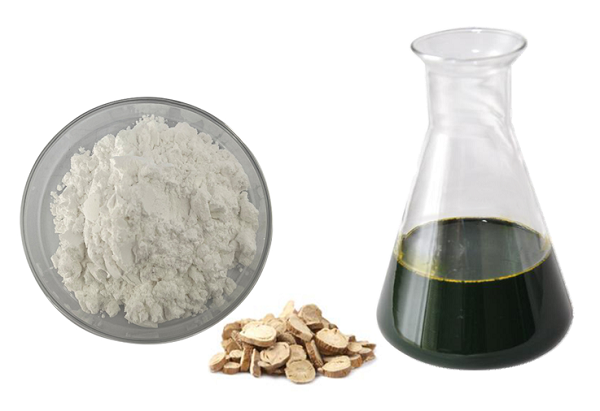
Matrine is a natural alkaloid derived from Sophora flavescens. In agricultural applications, you use matrine as a botanical active ingredient. Its plant-based origin and biodegradability make it suitable for low-residue programs and IPM systems, particularly where regulatory and market pressures favor greener solutions.
How Does Matrine Work Against Root-Knot Nematodes?
1. Neurotoxic Paralysis of J2 Juveniles
The most critical phase of the nematode life cycle for crop damage is the second-stage juvenile (J2). This is the mobile, infectious stage where the nematode travels through soil moisture to locate and penetrate plant root tips. Matrine acts as a potent neurotoxin upon contact or ingestion by these juveniles. It disrupts the activity of acetylcholinesterase, a key enzyme in the nervous system, leading to rapid paralysis and eventual death. By neutralizing J2 juveniles in the rhizosphere, Matrine prevents the initial infection that leads to gall formation.
2. Inhibition of Egg Hatching
Long-term nematode management requires the suppression of future generations. Laboratory and field trials have demonstrated that standardized Matrine extracts significantly inhibit the hatching rate of nematode eggs. When egg masses are exposed to the alkaloid, the developmental process of the embryo is disrupted. This preventative action reduces the overall population density in the soil, preventing the exponential growth typically seen in untreated fields.
3. Systemic Antifeedant Properties
Matrine is characterized by high water solubility, allowing it to be absorbed by the root system and translocated through the plant’s vascular tissues. This systemic movement provides an internal layer of protection. If a nematode manages to bypass the soil barrier and penetrate the root, the presence of Matrine within the plant tissue acts as an antifeedant. It interferes with the nematode’s ability to establish “giant cells”—the specialized feeding sites required for the parasite to reach maturity—thereby starving the pest and halting the infection.
Optimizing Matrine Application
The effectiveness of matrine in controlling nematodes largely depends on the timing and method of application. Professional agricultural control programs typically employ the following main methods.
1. Pre-Planting Treatment: Treating the soil during the transplanting phase or early growth stages provides a “protective shield” for young, vulnerable root systems. Preventing the first generation of nematodes from establishing is far more cost-effective than attempting to manage a heavy infestation mid-season.
2. Soil Drenching: For established crops or greenhouses, a targeted soil drench ensures the Matrine reaches the rhizosphere—the critical 0–10 cm layer where most RKN activity occurs.
3. Fertigation Integration: If utilize drip irrigation, Matrine’s high solubility allows for seamless integration. This ensures a consistent “barrier” of protection around the root zone throughout the high-risk infection periods.
4. Synergistic Tank-Mixes: You can often enhance your results by pairing Matrine with other biocontrol agents, such as Paecilomyces lilacinus. The Matrine provides the immediate “knockdown” of J2 juveniles, while the fungi provide long-term parasitism of the nematode eggs.
What Advantages Does Matrine Offer to Formulators and Distributors?
From a product development and sourcing perspective, matrine provides several commercial advantages:
- Easy integration into liquid or soluble formulations
- Synergy with microbial agents and organic soil amendments
- Compliance with tightening pesticide regulations in many markets
- Broad crop applicability, including vegetables, fruits, and greenhouse crops
Who Can Supply Reliable Matrine for Crop Protection Products?
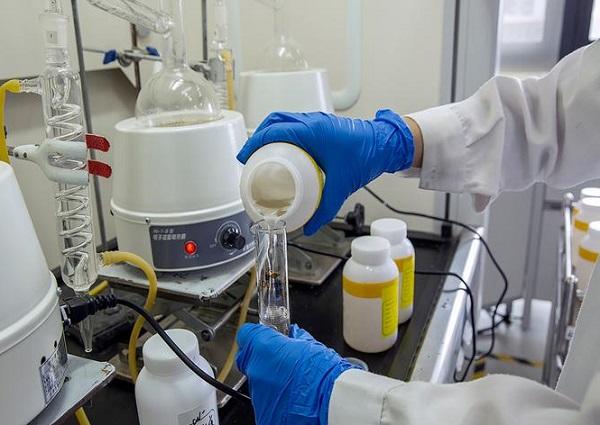
Choosing the right botanical pesticide material is as much about the manufacturer as it is about the molecule. At GREEN AGRI, we specialize in the high-purity extraction of Matrine, specifically formulated for industrial agricultural applications.
GREEN AGRI supplies 98% (HPLC) matrine powder and 1%–10% (HPLC) matrine liquid, and can also customize the content according to your formulation requirements. We provide COA, specification sheets, flow charts, and other documents. 20 years of production experience and continuous process optimization allow us to offer competitive prices while ensuring quality. GREEN AGRI’s matrine is the ideal choice for pesticide and insecticide manufacturers.
Also See
Applications of Matrine: From Crop Protection to Soil Health
Is Matrine 98% Content a Priority for Agricultural Brand Owners
Matrine vs. Synthetic Pesticides: A Comprehensive Comparison
What is Matrine Insecticide
Reference
https://www.sciencedirect.com/science/article/abs/pii/S0378874120335704
https://pubs.acs.org/doi/10.1021/jf00001a038