Tea Saponin for Snail Control: Natural Solutions for Rice Farming
Rice farmers across Asia and South America continue to battle invasive snails that damage young rice plants and reduce yields. Many growers now look for botanical molluscicides that fit sustainable farming systems. Tea Saponin has gained attention because it offers a plant-based option for snail management in rice paddies while supporting eco-friendly agriculture.
At Green Agri, we have worked with botanical pesticide materials for over 20 years. We often hear the same question from agricultural distributors and rice farm suppliers: Can natural snail control work as effectively as synthetic chemicals? In many field conditions, tea seed extract has shown strong potential when used correctly.
What Is Tea Saponin and Why Is It Used in Rice Farming?
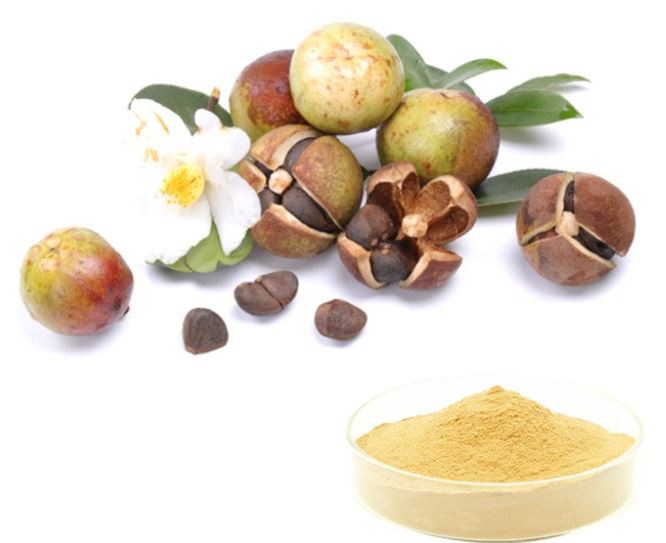
Tea saponin is a natural active compound extracted from tea seeds, mainly from Camellia oleifera. Farmers value it because it contains bioactive surfactants that affect cold-blooded organisms like snails.
In rice cultivation, golden apple snails create severe problems during the early seedling stage. Many growers use tea seed meal or tea seed powder as part of integrated pest management programs.
Tea saponin powder is popular in agriculture because it offers:
- Plant-based origin
- Biodegradable properties
- Low environmental residue
- Compatibility with sustainable farming
Green Agri supplies tea saponin powder 60%, 85%, and 90% specifications for agricultural applications. Different concentrations help distributors and formulators meet varying field requirements.
Why Are Snails a Major Threat to Rice Production?
Snails attack young rice shoots shortly after transplanting. A heavy infestation can destroy large planting areas within days.
The invasive golden apple snail remains one of the most destructive rice pests in tropical farming regions. Research from the International Rice Research Institute has shown that uncontrolled snail populations can significantly reduce rice establishment rates.
Common damage includes:
- Cut seedlings
- Missing rice hills
- Uneven crop growth
- Lower harvest quality
- Increased replanting costs
Wet conditions in rice paddies allow snail populations to spread rapidly. Farmers often struggle during rainy seasons because eggs hatch quickly in warm water.
How Does Tea Saponin Work for Snail Control?
Tea saponin works by disrupting the biological membranes of snails and other soft-bodied aquatic pests. The compound affects respiration and mobility, which weakens the pests over time.
When applied to rice paddies, tea saponin disperses through the water surface. Snails absorb the active compounds through direct contact.
Several agricultural studies describe tea saponin as a natural surfactant with molluscicidal activity. Its foam-forming ability also improves water distribution during application.
Field operators often combine tea saponin with:
- Water management practices
- Manual egg removal
- Biological pest control
- Crop rotation systems
This integrated approach usually improves long-term snail management.
Key Benefits of Using Tea Saponin for Snail Control in Rice Fields
Many procurement managers ask why rice farmers choose botanical snail control products. I usually point to several practical benefits.
Natural Plant-Based Origin
Tea saponin comes from botanical sources. This feature appeals to growers interested in greener farming systems.
Biodegradable Characteristics
Plant-based materials usually break down faster than many synthetic compounds. This quality may help reduce long-term accumulation concerns.
Supports Sustainable Rice Farming
Many rice producers now combine biological methods with reduced chemical use. Natural solutions fit well into integrated management plans.
Flexible Formulation Options
Tea saponin powder can work in:
- Granules
- Wettable powders
- Liquid formulations
- Compound agricultural blends
How to Apply Tea Saponin in Rice Paddies for Effective Snail Management
Correct application timing matters more than excessive dosage.
Most farmers apply tea saponin during:
- Early transplanting stages
- Initial flooding periods
- Peak snail activity windows
For better field performance:
- Maintain shallow water levels
- Apply evenly across the paddy
- Monitor snail density regularly
- Repeat treatment when necessary
Agricultural distributors should always recommend local field testing before large-scale application. Soil type, water depth, and climate conditions can affect performance.
Is Tea Saponin Safe for Fish, Shrimp, and Other Aquatic Organisms?
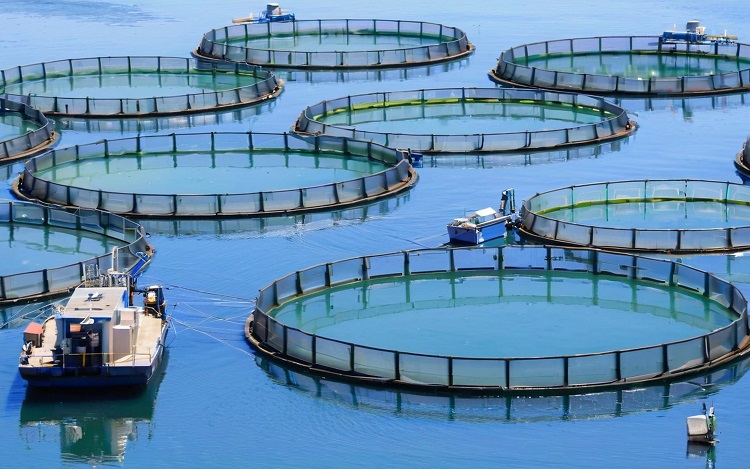
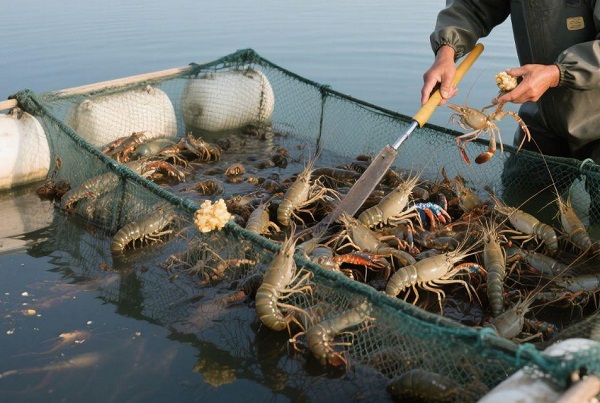
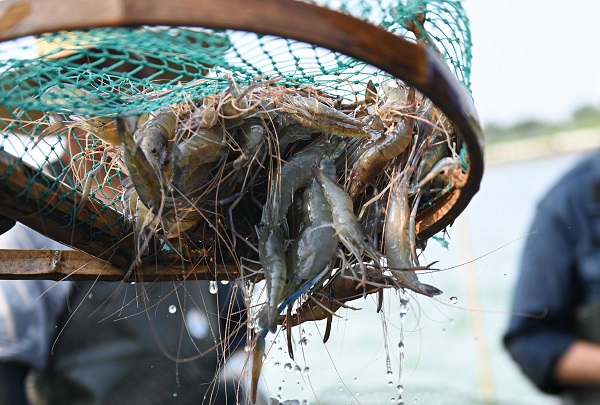
Tea saponin requires careful handling near aquaculture systems. While it comes from a botanical source, it still shows biological activity toward aquatic organisms.
Studies indicate that high concentrations may affect fish and shrimp populations. Farmers should avoid direct application in integrated rice-fish farming systems unless specialists provide guidance.
Recommended precautions include:
- Avoid overuse
- Prevent runoff into aquaculture ponds
- Follow dosage recommendations
- Conduct small-scale trials first
Responsible application protects surrounding ecosystems while maintaining effective pest control.
Challenges and Limitations of Tea Saponin in Snail Control
No agricultural input works perfectly in every condition.
Tea saponin performance may vary because of:
- Heavy rainfall
- Fast water exchange
- Extreme snail density
- Incorrect application timing
Some growers also expect immediate results similar to strong synthetic chemicals. Botanical solutions often require better management practices and monitoring.
Supply consistency also matters for commercial buyers. Poor-quality raw materials may lead to unstable active content.
Choosing High-Quality Tea Saponin for Agricultural Applications
Procurement managers and pesticide formulators often compare suppliers based on more than price alone.
When selecting a tea saponin manufacturer, buyers should evaluate:
- Active ingredient purity
- Production experience
- Export capability
- Technical support
- Stable supply chain
- Regulatory documentation
Green Agri has focused on botanical pesticide materials for two decades. We support agricultural distributors and manufacturers with stable tea saponin powder specifications for industrial applications.
If you are looking for a reliable Tea Saponin supplier for rice farming solutions, our team can provide product specifications, COA documents, and technical support for your market.
Contact us today to discuss your tea saponin sourcing needs and agricultural formulation projects.
References
- Halwart, M. “The Golden Apple Snail Pomacea canaliculata in Asian Rice Farming Systems.” International Rice Research Institute.
- San Martin, R., and Briones, R. “Industrial Uses and Sustainable Supply of Quillaja Saponaria Saponins.” Journal of Ethnopharmacology.
- Cowan, M. M. “Plant Products as Antimicrobial Agents.” Clinical Microbiology Reviews.
- Joshi, R. C., and Sebastian, L. S. “Global Advances in Ecology and Management of Golden Apple Snails.” Philippine Rice Research Institute.
- Sparg, S. G., Light, M. E., and Van Staden, J. “Biological Activities and Distribution of Plant Saponins.” Journal of Ethnopharmacology.
- Food and Agriculture Organization of the United Nations. “Integrated Pest Management in Rice Production.”