Sodium Alginate in Veterinary Formulations: Functions and Applications
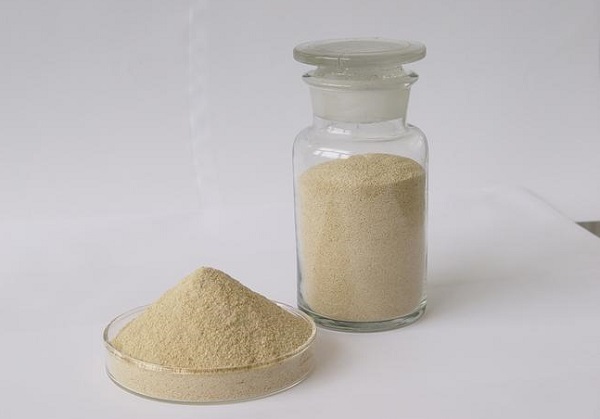
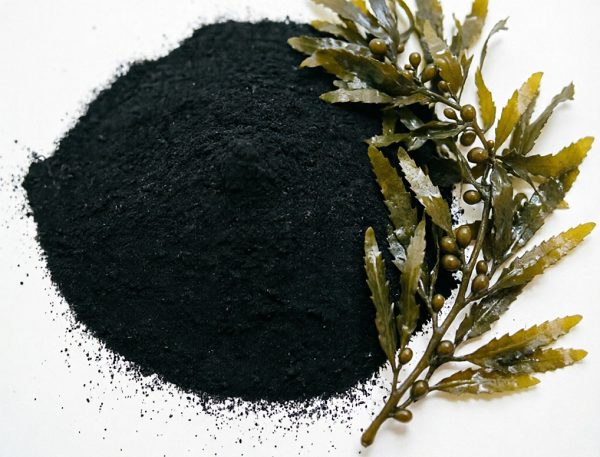
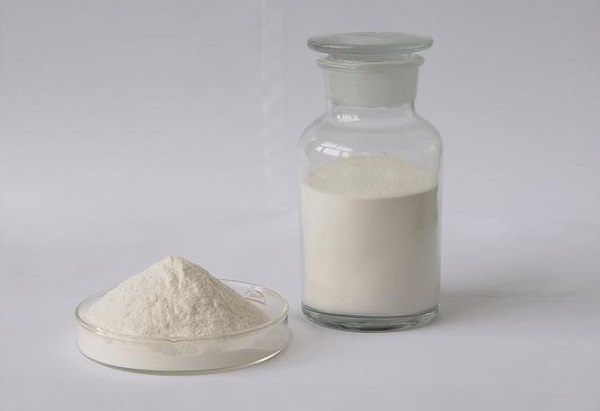
Sodium alginate is a seaweed-derived polymer with useful thickening, stabilizing and gelling properties. Veterinary formulation developers use these properties to explore different dosage forms and product structures.
Its ability to hydrate and interact with calcium ions makes sodium alginate useful in formulation research. It can help adjust viscosity, improve texture and form gel structures under suitable conditions.
Why Is Sodium Alginate Used in Veterinary Formulations?
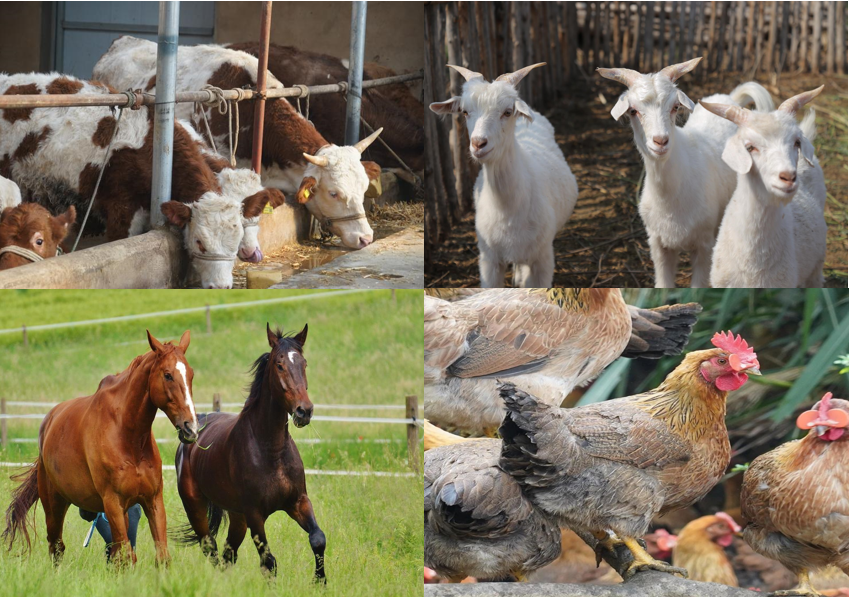
Animal health companies choose sodium alginate because it is biocompatible, non-toxic, and gentle on sensitive digestive tracts. Unlike synthetic polymers that can irritate mucous membranes or trigger allergic reactions, sodium alginate is well-tolerated across companion animals, horses, and livestock. It also acts as a multifunctional excipient—meaning one single ingredient can thicken a liquid suspension, protect delicate drugs from stomach acid, and help heal external wounds.
What Are the Key Functional Properties of Sodium Alginate?
Sodium alginate offers several properties relevant to formulation development.
Sodium alginate also brings distinct chemical and physical traits to veterinary R&D labs:
-
pH-Responsive Behavior: In the low-pH environment of an animal’s stomach, sodium alginate converts into a protective, insoluble alginic acid gel layer. Once it reaches the neutral pH of the small intestine, it dissolves again to release active drugs.
-
Mucoadhesion: The polymer chains cling gently to wet mucosal tissues in the throat, stomach, and eyes, keeping medication in contact with target tissues longer.
-
Cold-Water Solubility: It hydrates at room temperature without requiring high heat, which protects heat-sensitive antibiotics, probiotics, and vitamins during manufacturing.
How Does Sodium Alginate Work as a Thickener, Stabilizer and Gelling Agent?
In liquid veterinary medicines, insoluble active pharmaceutical ingredients (APIs) tend to settle at the bottom of the bottle. When dispersed in water, sodium alginate’s negatively charged polymer chains repel each other and trap water, creating a uniform, viscous network. This thickening action keeps drug particles evenly suspended so every syringe or dropper dose delivers the exact right potency.
As a gelling agent, sodium alginate undergoes rapid ionic cross-linking. When exposed to divalent cations—most commonly calcium ions—the polymer chains zip together into a three-dimensional “egg-box” structure. Formulators control the gel’s strength and release speed simply by adjusting the calcium concentration and mixing rate.
What Are the Applications of Sodium Alginate in Veterinary Drug Formulations?
Sodium alginate may be considered for several veterinary formulation development areas.
| Formulation area | Potential application |
|---|---|
| Oral liquids | Viscosity and consistency adjustment |
| Oral gels | Gel formation and texture control |
| Suspensions | Rheology modification |
| Topical products | Gel or semi-solid formulation development |
| Encapsulation systems | Carrier material research |
| Coating systems | Film-forming or coating research |
The veterinary R&D team applies sodium alginate across various therapeutic areas, including anti-reflux and gastroprotective suspensions, controlled-release oral medications, intramammary teat sealants, and ophthalmic solutions.
How Is Sodium Alginate Used in Liquid, Gel and Oral Veterinary Products?
In liquid veterinary products, sodium alginate may be used to adjust viscosity. A thicker liquid may have different flow characteristics and particle suspension behavior.
The formulation developer must evaluate whether the selected viscosity supports accurate dosing, mixing, filling and storage.
In gel formulations, sodium alginate may form a gel after exposure to calcium ions. This process allows developers to explore different gel textures and structures.
For oral formulations, compatibility with active ingredients and other excipients is important. Sodium alginate may interact with calcium-containing ingredients or other ionic compounds.
Sodium Alginate and Calcium Alginate: Differences in Veterinary Applications
Sodium alginate and calcium alginate are related materials, but they have different physical properties.
| Feature | Sodium alginate | Calcium alginate |
|---|---|---|
| Chemical form | Sodium salt of alginic acid | Calcium salt or calcium-crosslinked alginate |
| Water behavior | Hydrates and forms viscous solutions | Generally insoluble or less soluble |
| Gel formation | Can form gels with calcium ions | Forms calcium-linked gel structures |
| Main formulation role | Thickener, precursor for gels | Gel matrix and material structure |
| Processing | Hydration and dispersion | Gel formation or material preparation |
Sodium alginate is often used as the starting material for calcium alginate gel preparation. Calcium ions replace or connect ionic sites along alginate chains.
What Quality Specifications Matter When Selecting Sodium Alginate for Veterinary Use?
Veterinary formulation manufacturers should review product specifications before purchasing sodium alginate.
| Quality parameter | Why it matters |
|---|---|
| Purity or assay | Supports raw material quality evaluation |
| Viscosity | Determines thickening performance |
| Moisture | Influences storage and handling |
| Particle size | Affects dispersion and hydration |
| Microbial limits | Supports formulation quality control |
| Heavy metals | Helps evaluate contaminant levels |
| Solubility | Determines processing behavior |
| Batch consistency | Supports repeatable formulation performance |
How to Evaluate Sodium Alginate Suppliers for Veterinary Formulation Development?
During early-stage R&D, your supplier acts as a technical partner. Before locking a vendor into your regulatory dossier, confirm they offer:
-
Free R&D Lab Samples: Ability to ship 100g to 500g samples across multiple viscosity grades so your team can run compatibility and stability trials.
-
Complete Regulatory Documentation: Immediate access to batch-specific CoAs, TDS, MSDS, allergen statements, and TSE/BSE-free declarations.
-
Scalable MOQs and Predictable Lead Times: Support for small pilot-batch orders (e.g., 25kg drums or bags) during clinical trials, scaling seamlessly to bulk commercial volumes with reliable 1–2 week lead times.
Request Veterinary-Grade Samples & Technical Files
Formulating a new liquid suspension, oral gel, or controlled-release veterinary product? Green Agri is a producer of plant-based raw materials; we supply veterinary-grade sodium alginate powder.
Reach out to our excipient specialists today to request lab testing samples, download full CoA, TDS, and microbial limit documentation, and discuss pilot-to-bulk pricing.
Frequently Asked Questions About Sodium Alginate
Is sodium alginate natural?
Yes. Its original source is brown seaweed. Commercial products are obtained through extraction and processing.
Is sodium alginate renewable?
Seaweed can be a renewable raw material. Responsible harvesting and cultivation practices are important for maintaining the resource.
Is sodium alginate the same as agar agar?
No. Sodium alginate and agar are different polysaccharides. Sodium alginate is primarily extracted from brown seaweed, while agar is mainly obtained from red algae.
Is sodium alginate soluble in water?
Yes. Sodium alginate can hydrate and dissolve in water to form a viscous solution. Its hydration behavior depends on grade and processing conditions.
References
-
Lee, K. Y., & Mooney, D. J. Alginate: Properties and Biomedical Applications. Progress in Polymer Science. 2012.
-
Draget, K. I., Skjåk-Bræk, G., & Smidsrød, O. Alginate-Based Materials: Properties and Applications. Advances in Polymer Science.
-
Smidsrød, O., & Skjåk-Bræk, G. Alginate as Immobilization Matrix for Cells. Trends in Biotechnology.
-
EFSA Panel on Additives and Products or Substances Used in Animal Feed (FEEDAP). Safety and Efficacy of Sodium and Potassium Alginate for Pets, Other Non-Food-Producing Animals and Fish. EFSA Journal. 2017.
-
EFSA Panel on Additives and Products or Substances Used in Animal Feed (FEEDAP). Safety and Efficacy of a Feed Additive Consisting of Sodium Alginate for All Animal Species (ALGAIA). EFSA Journal. 2022.
-
Rowe, R. C., Sheskey, P. J., & Quinn, M. E. Handbook of Pharmaceutical Excipients. Pharmaceutical Press.