Ascophyllum Nodosum Extract in Agriculture: Foliar Spray vs. Soil Application
Ascophyllum nodosum extract is widely used in modern agriculture as a biostimulant. It helps support plant growth, root development, nutrient use, and stress tolerance.
There are generally two methods for applying Ascophyllum nodosum fertilizer: foliar spraying and soil application.
So, which method is better for agricultural use? The answer depends on crop type, growth stage, soil conditions, and product formulation. This guide compares both methods and explains how to select the right application strategy.
What Are the Main Differences Between Foliar Spray and Soil Application?
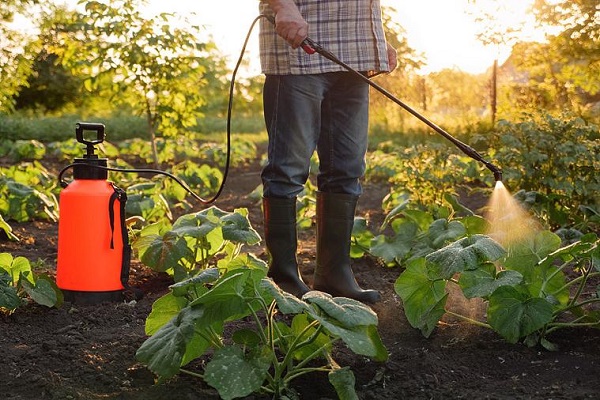
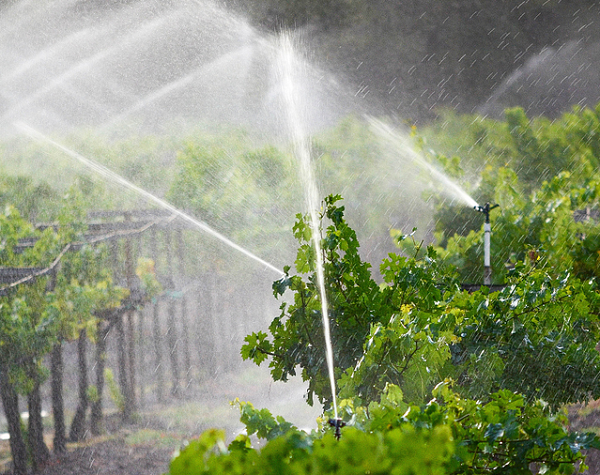
Foliar spray applies Ascophyllum nodosum extract directly to plant leaves. Soil application delivers the extract to the root zone through irrigation, fertigation, or soil drenching.
The primary difference between these two methods lies in the uptake pathway and speed of results. Foliar spraying delivers nutrients and bioactive compounds directly through the leaves, while soil application feeds the plant through its root system and improves the surrounding dirt.
| Comparison Factor | Foliar Spray | Soil Application |
|---|---|---|
| Application Target | Leaves and stems | Soil and root zone |
| Absorption Pathway | Leaf surfaces | Root system |
| Main Focus | Leaf activity and plant response | Root growth and nutrient uptake |
| Common Methods | Boom sprayers, drones, backpack sprayers | Drip irrigation, fertigation, soil drench |
| Suitable Stages | Vegetative growth and other active growth stages | Seedling establishment and root development |
| Typical Dosage | Lower volume per acre | Higher volume per acre |
How Does Ascophyllum Nodosum Extract Work as a Foliar Spray?
Foliar application delivers the extract directly to leaves. This allows plants to interact with its soluble bioactive compounds through leaf surfaces.
Ascophyllum nodosum extract contains natural polysaccharides, mannitol, polyphenols, and other compounds. These substances may influence plant metabolism and physiological responses.
Foliar spraying can support several processes:
- Leaf development: It may support healthy leaf growth and vegetative development.
- Photosynthesis: Some seaweed extract treatments are associated with improved chlorophyll content and photosynthetic activity.
- Stress response: It may help plants respond to heat, drought, and other environmental stresses.
- Plant vigor: Regular applications under suitable conditions may support overall crop performance.
For best results, spray during cooler parts of the day. Early morning or late afternoon can help reduce rapid evaporation. Avoid spraying during strong sunlight or high temperatures.
How Does Soil Application of Ascophyllum Nodosum Extract Benefit Root Development?
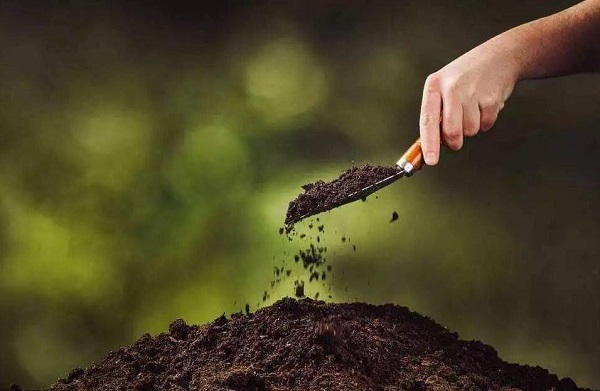
Applying Ascophyllum nodosum extract to the soil targets the root zone, also known as the rhizosphere. Soil application focuses on two major areas: stimulating root growth and improving soil structure.
The extract contains natural auxins and alginic acid. Auxins tell the plant to grow more lateral and fine feeder roots, increasing the surface area for water and nutrient uptake. Meanwhile, alginates bind with metal ions in the soil to form a gel-like network. This process improves soil crumb structure, boosts water retention in sandy soils, and increases aeration in heavy clay. Furthermore, seaweed carbohydrates serve as food for beneficial soil microbes, creating a healthier underground ecosystem.
Its potential benefits include:
- Root branching: It may encourage lateral root growth and improve root development.
- Nutrient uptake: A healthy root system helps plants access available nutrients more effectively.
- Root establishment: Soil application can support young plants during transplanting and early growth.
- Soil biological activity: Some seaweed extract treatments may influence interactions between plants and soil microorganisms.
Foliar Spray vs. Soil Application: Which Method Is More Effective?
There is no single method that works best for every crop. Research shows that crop species and environmental conditions can change the results.
For example, a 2021 grapevine study found that foliar application of Ascophyllum nodosum extract was more effective than soil application under certain water-stress conditions.
In contrast, a 2022 tomato study reported better yield results from soil drenching at a tested dose of 5 mL/L.
A 2024 Hass avocado study also compared foliar and drench applications across different growth stages. Both methods showed potential benefits under the tested conditions.
Neither method is universally “better”—effectiveness depends entirely on your immediate agronomic goal.
Foliar spray is more effective when:
-
Crops face sudden weather stress, such as extreme heat or cold snaps.
-
You need to correct nutrient lockup quickly during peak growth stages.
-
You want to improve fruit size, sugar content, or skin color close to harvest.
Soil application is more effective when:
-
Planting seeds or transplanting young seedlings that need strong roots.
-
Managing poor, compacted, or salty soils that lack microbial life.
-
Using drip irrigation systems where fertigation saves labor and fuel costs.
When Should Applies Ascophyllum Nodosum Extract During Crop Growth?
Timing is critical for getting the highest return from Ascophyllum nodosum extract. Aligning the application method with key crop growth stages ensures the plant uses the biostimulant efficiently.
-
Seedling and Transplanting Stage (Soil): Apply via soil drench or root dip to reduce transplant shock and build early root mass.
-
Vegetative Growth Stage (Foliar or Soil): Support rapid leaf and stem expansion. Soil application keeps roots expanding, while foliar sprays push canopy growth.
-
Pre-Flowering and Bloom Stage (Foliar): Spray 7 to 10 days before bloom to boost pollination, flower retention, and early fruit set.
-
Fruit Sizing and Ripening Stage (Foliar): Apply foliar sprays to improve nutrient transport into fruits, enhancing final yield and shelf life.
Can Foliar Spray and Soil Application Be Used Together?
Yes. Foliar spray and soil application can be combined in an integrated crop management program.
For example, growers may use soil application during transplanting to support root establishment. They can then use foliar spray during vegetative growth.
This approach delivers the extract through two different pathways. It also allows growers to adjust applications according to crop development.
How to Choose the Right Ascophyllum Nodosum Extract Formulation?
For B2B buyers, formulators, and large-scale farms, choosing the right physical format affects handling, shelf life, and equipment compatibility. Ascophyllum nodosum extracts generally come in three main forms:
-
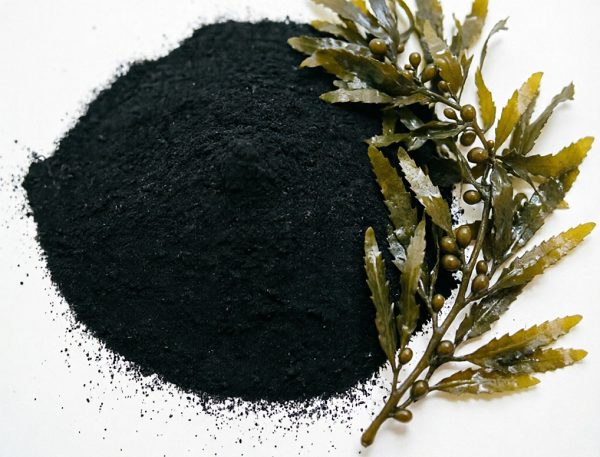
Soluble Powder or Flakes: Highly concentrated (often 100% water-soluble) with low shipping costs and a long shelf life. Ideal for bulk buyers, fertilizer blenders, and large farms that mix their own tanks.
-
Liquid Concentrate: Easy to measure and pour without pre-dissolving. Best suited for smaller farms, greenhouse growers, and drip irrigation setups where convenience matters most.
-
Granular: Designed strictly for dry soil application. Growers can blend granules directly with traditional NPK fertilizers for broadcast spreading at planting.
What Factors Affect the Application Rate and Effectiveness?
Even the best seaweed extract will underperform if applied under poor conditions. Several variables determine the right dosage and final results:
-
Crop Type: High-value specialty crops like berries, grapes, and greenhouse vegetables typically respond to more frequent applications than broad-acre row crops like corn or wheat.
-
Weather Conditions: For foliar sprays, avoid applying during the hottest part of the day. High heat causes droplets to evaporate before the leaf can absorb them, and closed stomata block entry. Early morning or late evening works best.
-
Water Quality and Tank Mix Compatibility: Hard water with high pH can reduce biostimulant efficiency. Always run a simple jar test before mixing Ascophyllum nodosum with calcium fertilizers or acidic pesticides.
-
Extraction Method: Enzymatic extraction preserves delicate natural hormones, requiring lower application rates than harsh high-heat chemical extractions.
Select a Reliable Ascophyllum Nodosum Extract Supplier for Your Agricultural Use
For fertilizer manufacturers, agricultural distributors, and biostimulant brands, an Ascophyllum nodosum extract manufacturer is just as important as application performance.
A reliable supplier should provide clear product specifications and consistent batch quality.
Before purchasing bulk Ascophyllum nodosum extract, consider the following points:
- Raw Material Source: Confirm the seaweed species and raw material origin.
- Extraction Technology: Ask about water extraction, enzymatic processing, or other production methods.
- Active Components: Review alginic acid, organic matter, and other declared specifications.
- Quality Documents: Request a COA, product specification sheet, and relevant testing reports.
- Product Form: Select liquid or powder according to your formulation and application needs.
- Bulk Supply: Confirm production capacity, packaging options, lead time, and sample availability.
Good supplier communication helps fertilizer manufacturers develop stable products for different agricultural applications.
Green Agri supplies bulk Ascophyllum nodosum extract powder for agricultural fertilizer manufacturers, biostimulant brands, and bulk distributors. Whether you need seaweed extract powder for water-soluble fertilizers or liquid extract for agricultural formulations, we can help you find a suitable product.
Contact us to request a free sample, COA, product specifications, and bulk pricing. Our team is ready to support your agricultural ingredient sourcing needs.
Related Ascophyllum nodosum extract sources
Ascophyllum Nodosum Extract: Benefits and Uses in Modern Crop Production
How Is Ascophyllum Nodosum Extract Made? From Seaweed to Agricultural Products
References
- Shukla, P. S., et al. (2019). Ascophyllum nodosum-Based Biostimulants: Sustainable Applications in Agriculture for the Stimulation of Plant Growth, Stress Tolerance, and Disease Management. Frontiers in Plant Science, 10, 655.
- Ali, O., Ramsubhag, A., and Jayaraman, J. (2021). Biostimulant Properties of Seaweed Extracts in Plants: Implications towards Sustainable Crop Production. Plants, 10(3), 531.
- Effects of an Ascophyllum nodosum Seaweed Extract Application Dose and Method on Growth, Fruit Yield, Quality, and Water Productivity of Tomato under Water-Deficit Stress. (2022). South African Journal of Botany, 151, 95–107.
- Foliar vs. Soil Application of Ascophyllum nodosum Extracts to Improve Grapevine Water Stress Tolerance. (2021). Scientia Horticulturae, 277, 109807.
- Cano-Benitez, M., et al. (2024). Doses and Application Method of Seaweed Extract to Enhance Physiological Behavior in Different ‘Hass’ Avocado Stages in Tropical Environments. The Journal of Agricultural Science, 162(5), 507–520.
- Shukla, P. S., et al. (2019). Ascophyllum nodosum-Based Biostimulants: Sustainable Applications in Agriculture for the Stimulation of Plant Growth, Stress Tolerance, and Disease Management. Frontiers in Plant Science, 10, 655.