Rotenone Supplier Q&A: Expert Answers for Pesticide Manufacturers
For pesticide manufacturers and ingredient distributors, sourcing high-quality Rotenone is essential for effective formulations. GREEN AGRI specializes in premium botanical pesticide materials, offering reliable solutions for production and distribution.
This FAQ addresses the most common questions about Rotenone suppliers, helping manufacturers and distributors make informed sourcing decisions.
What is Rotenone and Why Do Manufacturers Use It?
Rotenone is a naturally occurring compound extracted from the roots of plants such as Derris and Lonchocarpus. It functions as a potent insecticide, controlling a wide range of pests in crops and aquatic pest management.
Manufacturers value Rotenone for several reasons:
- Broad-spectrum insecticidal activity: Effective against aphids, leafhoppers, beetles, and other common pests.
- Rapid pest control: Rotenone acts quickly when applied correctly.
- Compatibility with synthetic and botanical formulations: Often blended with other active ingredients to optimize efficacy.
Important note: Rotenone is not approved for organic farming in most markets due to its potential toxicity to non-target species and aquatic life. Manufacturers should follow regulatory guidelines strictly.
GREEN AGRI ensures all Rotenone supplied meets stringent purity standards, allowing manufacturers to produce safe, high-performing pesticides.
Key Applications of Rotenone in Mainstream Markets
Rotenone’s primary markets include:
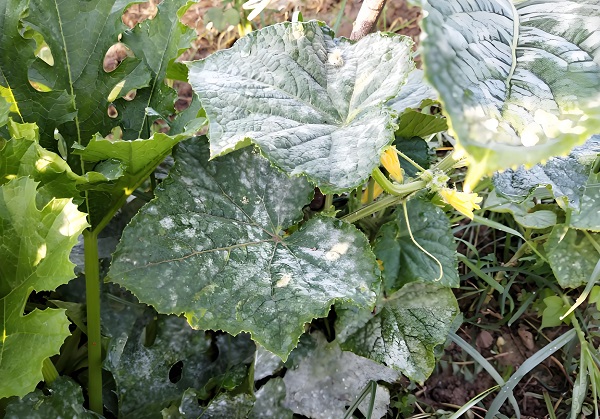
- Agricultural Pest Management: Widely used in vegetables, fruits, and ornamental crops.
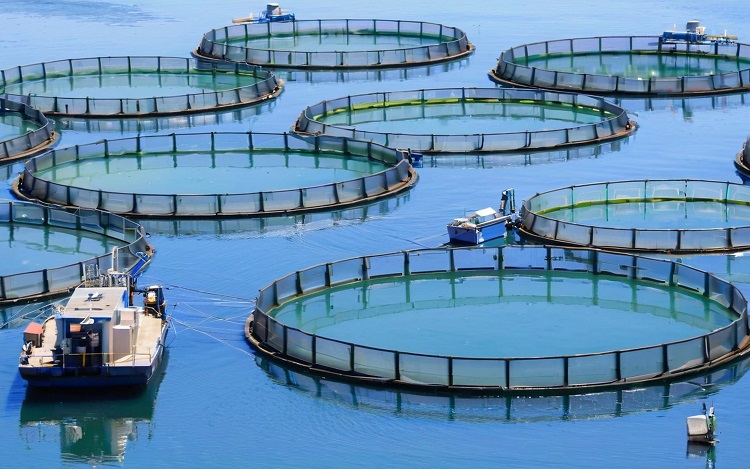
- Aquatic Pest Control: Applied in controlled environments to manage invasive fish and insect larvae.
- Industrial Formulations: Integrated into pesticide blends for large-scale production.
These applications highlight the importance of working with a reliable Rotenone supplier like GREEN AGRI to ensure consistent quality and compliance.
How Does Rotenone Work Against Pests?
Rotenone affects cellular respiration in insects and certain aquatic organisms. It interrupts energy production within mitochondria.
Once pests absorb the compound, energy transfer slows quickly. This action reduces feeding activity and mobility.
Because rotenone acts through contact and ingestion, formulators often combine it with complementary botanical actives.
Agricultural formulators value rotenone because it originates from plant sources rather than synthetic petrochemicals.
How GREEN AGRI Ensures High-Quality Rotenone Supply
Selecting a trusted supplier directly impacts product efficacy and safety. GREEN AGRI achieves this through:
- Sustainable Plant Sourcing: Roots are harvested from farms with traceable cultivation practices.
- Advanced Extraction Technology: Proprietary methods preserve Rotenone’s potency while minimizing impurities.
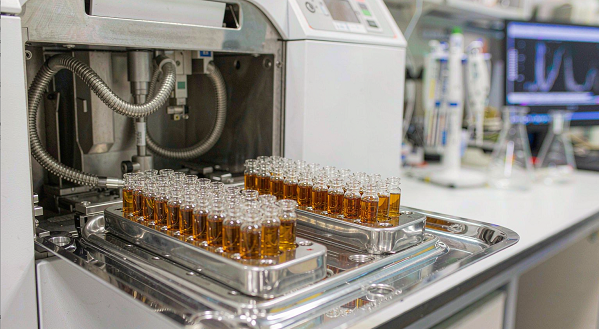
- Rigorous Quality Testing: HPLC and UV-Vis spectrophotometry verify concentration and purity for each batch.
- Specialized Packaging: Rotenone is packaged to prevent degradation from light, moisture, or oxygen during shipping.
These measures guarantee consistent, reliable Rotenone materials for manufacturers and distributors worldwide.
Regulatory Compliance and Safety in Rotenone Sourcing
Different regions have specific regulations governing Rotenone use. GREEN AGRI ensures compliance for major markets:
- United States: Rotenone is regulated by the EPA; products require accurate labeling, restricted-use certification, and safe handling instructions.
- European Union: Rotenone is controlled under EU pesticide directives; strict maximum residue limits apply, especially for crops destined for export.
- Asia: Key markets in China, India, and Southeast Asia require suppliers to adhere to national pesticide registration standards and safety protocols.
GREEN AGRI provides full technical documentation, SDS sheets, and regulatory guidance to help distributors and manufacturers comply efficiently.
Storage, Handling, and Transportation Best Practices
Proper storage and handling are crucial to maintain Rotenone quality:
- Temperature Control: Keep Rotenone in cool, dry areas to prevent chemical degradation.
- Avoid Sunlight: Light exposure reduces potency and shortens shelf life.
- Secure Containers: Prevent contamination and moisture ingress.
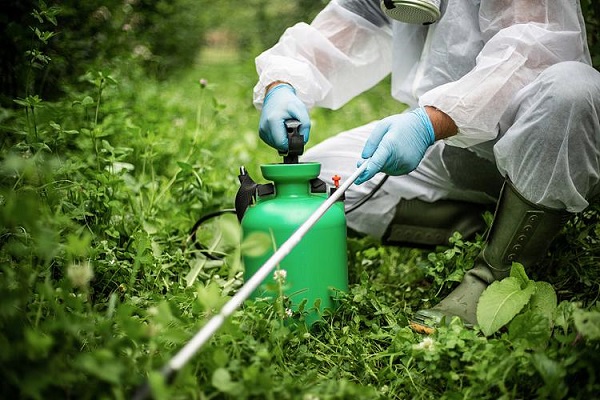
- Personal Protection: Always use gloves, goggles, and protective clothing when handling concentrated material.
- Transport Guidelines: Ensure compliance with hazardous chemical transport regulations to avoid accidents or fines.
Following these practices protects both product quality and human health.
Tips for Choosing the Right Rotenone Supplier
Manufacturers should consider these factors when selecting a supplier:
- Consistency: Batch-to-batch uniformity ensures predictable performance.
- Documentation: Availability of certificates, SDS, and technical support is essential.
- Scalability: Suppliers should support bulk orders without compromising quality.
- Market Reputation: Working with established suppliers reduces risk and ensures reliability.
GREEN AGRI meets all these criteria, making us a preferred partner for pesticide ingredient distributors.
FAQs
Q1: Can Rotenone be used in organic farming?
A1: No, Rotenone is not approved for organic farming due to its potential environmental and aquatic toxicity.
Q2: How long does Rotenone remain stable in storage?
A2: If stored in cool, dry, sealed conditions, Rotenone maintains efficacy for up to 12 months.
Q3: What makes GREEN AGRI different from other Rotenone suppliers?
A3: We combine traceable sourcing, advanced extraction, rigorous quality testing, and full compliance documentation.
Q4: Can GREEN AGRI supply Rotenone in bulk?
A4: Yes, we provide scalable quantities tailored to manufacturer and distributor needs, supported by global logistics.
Reference
- U.S. Environmental Protection Agency (EPA) – Rotenone Overview
- National Pesticide Information Center – Rotenone Technical Fact Sheet
- Food and Agriculture Organization (FAO) – Botanical Pesticide Resources
- Journal of Agricultural and Food Chemistry – Rotenoid Compound Studies
- World Health Organization (WHO) pesticide guidance materials