Choosing a Rotenone Supplier: A Comprehensive Guide for Pesticide Manufacturers
Sourcing Rotenone from a trusted supplier is critical for pesticide manufacturers and ingredient distributors. GREEN AGRI provides high-quality botanical pesticide materials, ensuring consistent performance and compliance with global safety standards.
This guide walks you through the essential factors to consider when selecting a rotenone supplier, helping you avoid common pitfalls and make informed sourcing decisions.
Why Supplier Selection Matters in the Botanical Pesticide Industry
Selecting the right supplier is more than just price comparison—it directly affects product efficacy, regulatory compliance, and business reputation. Poor-quality Rotenone can result in:
- Inconsistent pest control performance
- Increased product recalls and legal risks
- Damaged relationships with distributors and manufacturers
GREEN AGRI emphasizes traceable sourcing, advanced extraction, and stringent quality testing to mitigate these risks. Our goal is to ensure every batch meets performance expectations and safety requirements
Common Problems Buyers Face With Low-Quality Suppliers
Manufacturers and distributors often encounter issues when sourcing from unreliable suppliers:
- Impurities and Low Purity: Rotenone that is not properly extracted may contain plant residues or contaminants, reducing effectiveness.
- Inconsistent Concentration: Batch-to-batch variability can disrupt formulation consistency.
- Poor Documentation: Missing SDS sheets, certificates, or regulatory compliance records complicates shipping and usage.
- Limited Scalability: Suppliers unable to meet bulk orders can delay production schedules.
- Lack of Technical Support: Without supplier guidance, distributors may mishandle storage or usage, reducing product lifespan.
GREEN AGRI addresses all these issues with a reliable supply chain, advanced quality testing, and full technical support for manufacturers and distributors.
Understanding Rotenone Quality Standards
High-quality Rotenone must meet strict parameters to be effective and safe:
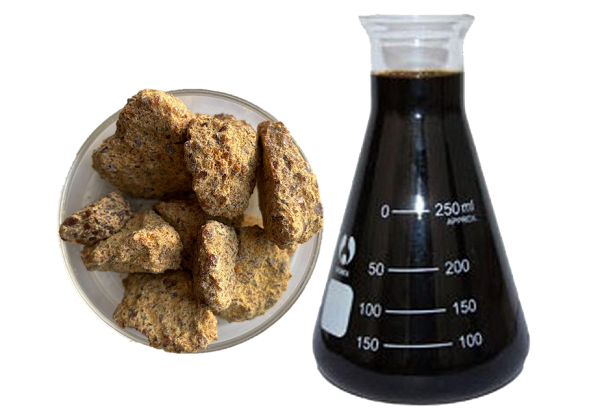
- Specification: Green supply 40% Rotenone Powder and 5% Rotenone Liquid
- Moisture Content: Low moisture ensures longer shelf life
- Particle Size and Solubility: Affects blending with other pesticide ingredients
- Stability: Resistant to light, heat, and humidity for reliable storage
Manufacturers who prioritize these standards reduce risks of formulation failure and ensure consistent pest control. GREEN AGRI guarantees all Rotenone batches meet or exceed these standards
Evaluating Supplier Certifications and Capabilities
Reputable suppliers demonstrate their reliability through certifications and documented practices:
Step 1: Evaluate the Manufacturer’s Extraction Expertise
Extraction quality directly influences rotenone concentration and product consistency.
Professional manufacturers maintain standardized extraction processes.
Buyers should ask suppliers about:
- extraction solvents
- concentration methods
- purification systems
- process controls
- active content testing
Reliable factories document production procedures carefully.
Step 2: Review Analytical Testing Standards
Quality testing remains one of the most important procurement factors.
HPLC Analysis
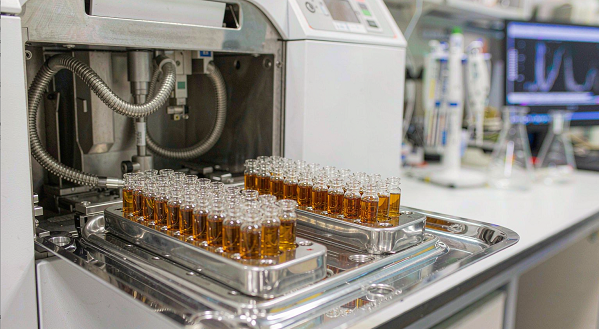
Many professional suppliers use HPLC testing to verify rotenone concentration.
Heavy Metal Screening
Agricultural buyers increasingly request heavy metal compliance documentation.
Moisture Testing
Excess moisture may affect storage stability.
Batch Consistency Verification
Stable specifications support downstream formulation consistency.
GREEN AGRI applies quality control procedures designed for industrial botanical pesticide materials.
Step 3: Confirm Documentation Availability
Professional export suppliers provide complete technical documentation.
These documents often include:
- COA
- SDS
- Product Specification
- Packaging Information
- Flow Chart
Missing documentation can delay customs clearance and technical approvals.
Step 4: Examine Supply Stability
Supply interruptions affect formulation schedules and customer deliveries.
Reliable rotenone factories maintain:
- raw material sourcing systems
- production planning
- inventory management
- export coordination
Long-term partnerships often reduce operational risk.
Step 5: Understand Regulatory Awareness
Rotenone regulations differ by market.
Experienced suppliers understand international compliance expectations.
Responsible manufacturers avoid unsupported claims and provide transparent product information.
Buyers should always confirm local regulatory status before importation or commercial use.
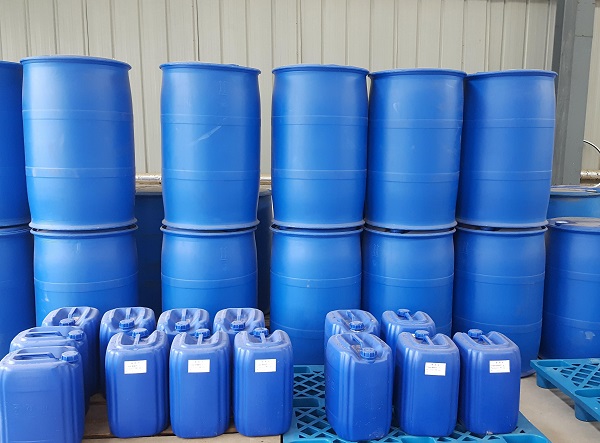
Step 6: Assess Packaging and Logistics Capabilities
Industrial packaging influences storage stability and transportation efficiency.
Most botanical pesticide manufacturers prefer:
- sealed fiber drums
- moisture-resistant liners
- batch labeling
- palletized export shipments
Export experience helps reduce logistics complications.
GREEN AGRI supports international shipments and communicates clearly throughout export coordination.
How GREEN AGRI Maintains Consistency and Purity
GREEN AGRI ensures superior Rotenone quality with:
- Traceable Plant Sourcing: All raw materials come from farms with sustainable, monitored practices
- Proprietary Extraction Techniques: Maximize potency while minimizing impurities
- Batch Testing: Each lot undergoes HPLC and UV-Vis spectrophotometry to ensure exact concentration
- Specialized Packaging: Preserves chemical stability and prevents contamination during transport
These measures help manufacturers and distributors maintain consistent formulation performance and regulatory compliance.
Sourcing, Logistics, and Cost Considerations
When choosing a supplier, evaluate not just product quality but also operational factors:
- Reliable Supply Chain: Ensure the supplier can meet current and future demand
- Efficient Logistics: Timely shipping reduces production downtime
- Transparent Pricing: Avoid hidden costs related to packaging, transport, or regulatory documentation
- Technical Support: Guidance on storage, handling, and usage adds value beyond the product itself
GREEN AGRI offers global logistics support and transparent pricing, making it easy for distributors to plan purchases efficiently.
References
- Environmental Protection Agency (EPA). “Rotenone: Chemical Information.”
- Duke, J.A. (2002). Handbook of Phytochemical Constituents of GRAS Herbs and Other Economic Plants. CRC Press.
FAQs
Q1: Is Rotenone safe for aquatic ecosystems?
A1: Rotenone is toxic to fish and aquatic invertebrates. Proper application protocols and regulatory compliance are critical.
Q2: How can manufacturers verify Rotenone quality before purchase?
A2: Look for batch certificates, purity reports, and testing documentation provided by reputable suppliers like GREEN AGRI.
Q3: Can GREEN AGRI supply both small and large volumes of Rotenone?
A3: Yes, our production and logistics are scalable to meet varying manufacturing needs.
Q4: What sets GREEN AGRI apart from other Rotenone suppliers?
A4: Our combination of traceable sourcing, advanced extraction, strict quality control, and full compliance support ensures reliability and peace of mind.