Pyrethrin vs Pyrethroids: Manufacturing and Application Insights
Pyrethrin and pyrethroids share similar insecticidal properties and are widely used in agriculture, public health, and household pest control markets. However, they differ significantly in their sources, performance characteristics, and other aspects. Understanding these differences will help you develop better formulation strategies, product positioning, and market expansion plans.
In this blog post, we will explore the differences between pyrethrin and pyrethroids in terms of production, regulation, and application.
Differences Between Pyrethrin and Pyrethroids
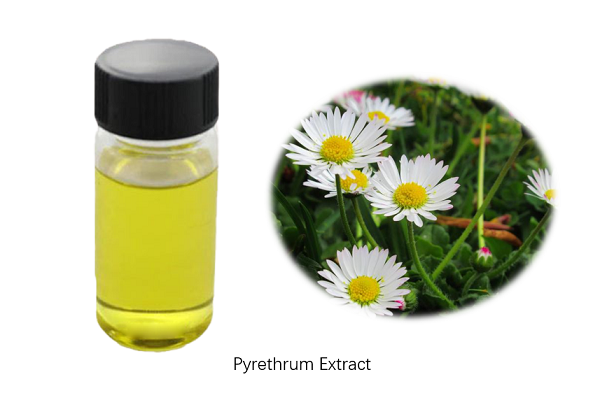
The main difference between the two lies in their origin and molecular complexity. Pyrethrins are natural organic compounds extracted from the flowers of Chrysanthemum cinerariifolium. They consist of a complex mixture of six active esters (Pyrethrin I & II, Cinerin I & II, and Jasmolin I & II).
Pyrethroids, on the other hand, are synthetic analogs designed to mimic the structure and activity of these natural esters while enhancing their specific properties. Pyrethrum is the plant extract with diverse compositions, while pyrethroids are produced at a precise, high-purity, technology-grade level. This structural diversity of natural pyrethrins makes them more resistant to insect resistance than the single molecular structure of many synthetic pyrethroids.
Comparative Mode of Action and Speed of Insect Knockdown
Both pyrethrin and pyrethroids target the insect nervous system by affecting voltage-gated sodium channels. They disrupt normal nerve signal transmission, leading to rapid paralysis and eventual death of insects.
However, natural pyrethrins have a faster knockdown effect. Pyrethrins cause immediate paralysis in insects, forcing them out of their hiding places. While many pyrethroid insecticides also have a knockdown effect, they are often designed to improve mortality and photostability, among other things.
Residual Activity and Long-Term Pest Control Effectiveness
One of the most notable differences between pyrethrin and pyrethroids lies in their residual activity. Pyrethrin degrades rapidly when exposed to sunlight, oxygen, and heat. While this property supports environmental safety, it limits long-term pest control performance.
Pyrethroids were developed to overcome this limitation. Their enhanced molecular stability allows them to remain active on treated surfaces for extended periods. This longer residual activity makes pyrethroids suitable for agricultural crop protection, structural pest control, and vector control programs where sustained effectiveness is critical.
Safety Profiles for Applicators, Consumers, and Non-Target Organisms
Pyrethrin generally demonstrates a favorable safety profile for humans and mammals when used according to recommended guidelines. Its rapid degradation reduces long-term exposure risks, making it attractive for household and organic pest control products.
Pyrethroids, particularly Type II variants, are more potent and can persist longer in the body. While they are much safer than organophosphate insecticides, they can also easily cause sensory abnormalities in applicators. However, both types of pesticides are highly toxic to aquatic organisms and bees, so strict labeling and corresponding mitigation measures are required during the formulation process.
Environmental Behavior and Biodegradability Differences
Pyrethrin breaks down quickly under natural environmental conditions, minimizing residue accumulation in soil and water systems. This biodegradability supports its use in environmentally conscious pest management programs.
Pyrethroids, while more stable and effective over time, may persist longer in soil and water. Their environmental behavior varies depending on the specific compound and formulation.
Formulation Compatibility with Solvents, Synergists, and Carriers
Both pyrethrin and pyrethroids demonstrate strong compatibility with various formulation components. Manufacturers often combine pyrethrin with synergists such as piperonyl butoxide (PBO), which inhibits insect detoxification enzymes and significantly enhances insecticidal efficacy.
Pyrethroids also integrate well into multiple formulation systems, including emulsifiable concentrates, wettable powders, suspension concentrates, and microencapsulation technologies. Their chemical stability allows manufacturers to explore diverse solvent systems and delivery platforms.
Regulatory Compliance and Registration Requirements Across Markets
Pyrethrin often benefits from regulatory acceptance due to its natural origin and favorable environmental profile. It frequently qualifies for use in organic agriculture and environmentally sensitive applications
However, synthetic pyrethroids face increasing scrutiny. In the EU, many pyrethroids are subject to the Biocidal Products Regulation (BPR) and may be candidates for substitution due to persistence.
Application Suitability in Agricultural, Public Health, and Household Products
- Agriculture: Pyrethroids dominate due to their stability in field conditions, though pyrethrins are the standard for organic-certified crops and pre-harvest intervals.
- Public Health: Pyrethroids are the backbone of Indoor Residual Spraying and Long-Lasting Insecticidal Nets for malaria control. Pyrethrins are preferred for space spraying in sensitive urban environments.
- Household: Pyrethrins are favored for indoor aerosols where knockdown and kill is needed without leaving chemical residues in living spaces.
Conclusion
Pyrethrin offer natural sourcing, rapid knockdown effects, and good environmental compatibility. Pyrethroids, on the other hand, offer higher stability and longer residual control time. The choice between pyrethrin and pyrethroids for your insecticide and pesticide production depends on formulation objectives, regulatory requirements, environmental factors, and market positioning strategies.
Green Agri is a botanical pesticide materials manufacturer committed to eliminating pests naturally, protecting crops, and contributing to global sustainable development. We supply bulk pyrethrin 25%, 50%, and 70%, tested by HPLC, light yellow liquids. COA, specification sheets, flow charts, and other documentation are available. If you are looking for a reliable supplier of liquid pyrethroids for your pesticide production line, Green Agri is a trustworthy choice. Contact us today!
Also See
What Is Pyrethrin
Is Pyrethrin Stoxic in an Open Space?
Pyrethrins and Pyrethroids for Bed Bugs
Pyrethrins Piperonyl Butoxide Shampoo as Pet Care
Is Pyrethrin Safe For Cats
Reference
https://www.publish.csiro.au/CH/fulltext/CH20302
https://pubmed.ncbi.nlm.nih.gov/30704718/
https://www.archive.jpma.org.pk/article-details/2784
https://www.ncbi.nlm.nih.gov/books/NBK600319/
https://academic.oup.com/etc/article/25/7/1817/7771472
https://www.efsa.europa.eu/en/efsajournal/pub/7582
https://pubmed.ncbi.nlm.nih.gov/2180183/