Top 7 Benefits of Osthole in Pesticides for Strawberry and Grape Crops
Osthole, a plant-derived compound from Cnidium monnieri, is gaining traction among pesticide manufacturers and ingredient suppliers. Its chemical properties make it ideal for botanical pesticide formulations that target strawberry and grape pests while meeting modern environmental standards. In this article, I’ll explain why Osthole is a valuable ingredient for manufacturers and wholesalers, and how it can enhance both product performance and market appeal.
What Is Osthole and How Does It Work?
Osthole is a natural coumarin with strong biological activity. It disrupts pest growth and reproduction while supporting plant health.
The compound interferes with pest nervous systems and fungal development. Simultaneously, it can boost plant immunity, giving strawberries and grapes stronger resistance to disease. For pesticide manufacturers, Osthole offers a dual advantage: effective pest control and enhanced crop health, making it a reliable and marketable ingredient.
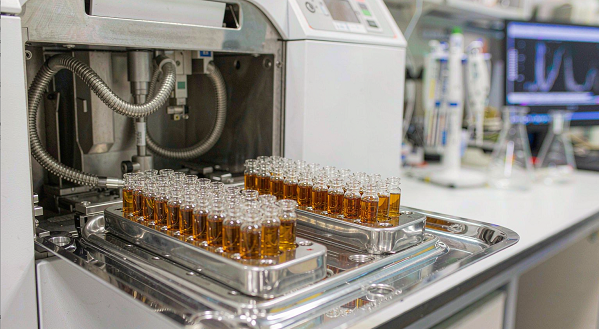
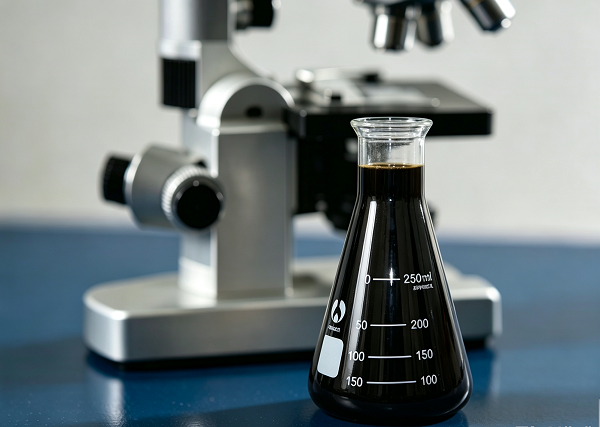
At Green Agri, our wholesale osthole is available as a 10% brown liquid or 98% white powder, both tested by HPLC and provide COAs.
Benefit 1: Broad-Spectrum Pest Control
Osthole exhibits activity against a wide range of pests. From aphids that damage strawberry leaves to grape mites, it reduces infestation rates efficiently. Growers notice healthier foliage and reduced crop loss. Its botanical origin ensures minimal environmental residue, aligning with organic and sustainable agriculture standards.
Benefit 2: Enhanced Disease Resistance
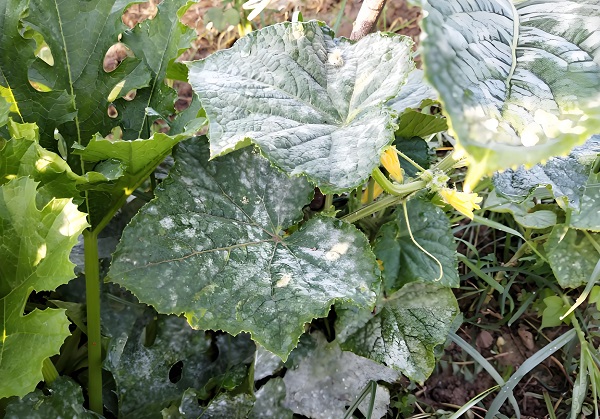
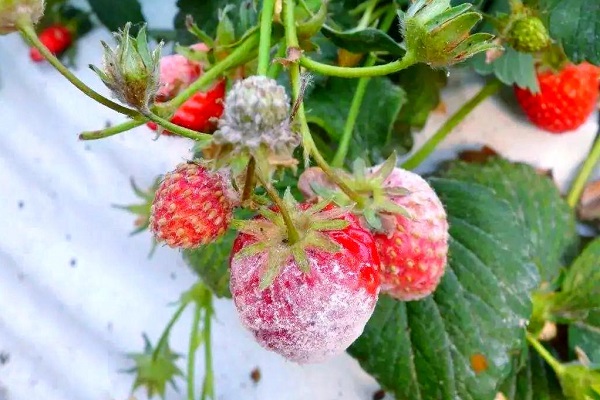
Strawberries and grapes are prone to fungal infections like powdery mildew and botrytis. Osthole strengthens plant defense pathways, making crops less vulnerable. Studies show treated plants exhibit thicker cuticles and higher levels of natural antifungal compounds, reducing reliance on harsh chemicals.
Benefit 3: Eco-Friendly Formulation
Using Osthole-based pesticides supports environmental stewardship. The compound biodegrades naturally and has low toxicity to pollinators and soil microbes. This helps farmers maintain biodiversity while protecting their harvests.
Benefit 4: Reduced Chemical Residues
Osthole formulations minimize the accumulation of harmful chemicals in fruit. For strawberries and grapes sold in sensitive markets, lower residue levels improve food safety and marketability. Customers increasingly demand such responsibly treated produce.
Benefit 5: Plant Growth Promotion
Beyond pest control, Osthole can stimulate plant metabolism. Crops treated with Osthole-based solutions often show improved leaf vigor and fruit development. This growth support can enhance overall yield, offering tangible benefits to both small-scale and commercial farms.
Benefit 6: Compatibility With Other Agrochemicals
Osthole is often compatible with other botanical or low-toxicity pesticides. This flexibility allows growers to design integrated pest management programs without risking crop injury. Mixing carefully formulated Osthole solutions with compatible agents can boost pest suppression while maintaining plant health.
Benefit 7: Cost-Effective and Sustainable
Although Osthole products are specialized, their efficiency can reduce the need for repeated chemical applications. This lowers long-term input costs and aligns with sustainability goals. Farmers can invest in fewer applications while achieving consistent protection for strawberries and grapes.
Application Tips: Maximizing Osthole Performance
To achieve the best results:
- Dilution: Follow label or technical data sheet instructions. Avoid over-concentration to prevent phytotoxicity.
- Timing: Apply early during pest emergence or disease onset.
- Coverage: Ensure thorough application across leaves, stems, and fruit clusters.
- Formulation Integration: Combine with compatible botanical agents to enhance performance.
- Storage: Keep liquid or powder forms cool, dry, and away from direct light.
Following these practices ensures crops gain the full protective and growth-promoting benefits of Osthole.
For inquiries about bulk Osthole supply, technical support, or sample, contact us at info@greenagribio.com. Green Agri has over 20 years of experience in botanical pesticide materials production, delivering high-quality ingredients for strawberries, grapes, and other horticultural crops worldwide.
References
- Chen, X., et al. “Biological Activity of Osthole in Plant Pest Management.” Journal of Agricultural Science, 2021.
- Li, J., et al. “Coumarins as Eco-Friendly Pesticides in Horticultural Crops.” Plant Protection Science, 2020.
- Zhang, Y., et al. “Effects of Osthole on Disease Resistance in Strawberry and Grape Plants.” Crop Protection, 2019.
- Wang, H., et al. “Botanical Extracts for Sustainable Pest Control: Osthole Case Study.” Journal of Horticultural Science, 2021.
- Zhao, L., et al. “Natural Coumarins in Integrated Pest Management Programs.” Environmental Entomology, 2020.
- Sun, Q., et al. “Formulation and Application Techniques for Osthole-Based Pesticides.” Journal of Plant Protection Research, 2022.