Is Tea Saponin Safe for Fish and Shrimp in Aquaculture?
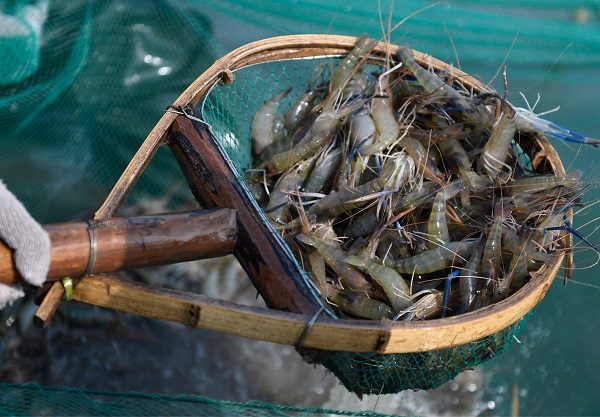
Aquaculture producers continue to search for safer and cleaner pond management solutions. Tea Saponin has gained strong attention because it comes from natural tea seed extracts and works well in fish and shrimp farming. Many pond managers use it to remove harmful organisms before stocking. They also value its plant-based origin and low environmental residue.
Still, many buyers ask the same question: Is Tea Saponin safe for fish and shrimp in aquaculture? The answer depends on dosage, species, water conditions, and application timing. When farmers use it correctly, it can support healthy pond preparation with limited environmental pressure.
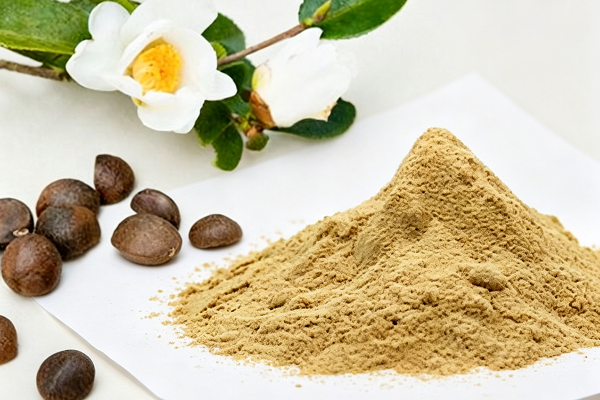
At Green Agri, we have focused on botanical pesticide materials for 20 years. We supply light yellow Tea Saponin powder in 60%, 85%, and 90% specifications for global aquaculture and agricultural markets.
What Is Tea Saponin and Why Is It Used in Aquaculture?
Tea Saponin is a natural active compound extracted from tea seeds. It contains strong surface activity and biological properties. Aquaculture farms often use it during pond preparation.
Common applications include:
- Removing predatory fish before shrimp stocking
- Controlling unwanted aquatic organisms
- Supporting pond cleaning management
- Reducing dependence on synthetic pond chemicals
Many shrimp farms prefer natural pond treatment products because export markets increasingly focus on sustainability and residue control.
Is Tea Saponin Safe for Fish and Shrimp?
The safety of Tea Saponin depends heavily on proper use. Controlled application plays a major role in reducing stress on aquatic animals.
Safety Profile of Tea Saponin in Different Aquatic Species
Different aquatic species react differently to plant-derived compounds. Adult shrimp and fish generally tolerate properly diluted Tea Saponin better than larvae or juvenile species.
Farmers commonly apply it before stocking ponds. This timing reduces direct exposure to cultured animals. Many pond operators wait until the active effect weakens before introducing shrimp fry or fish fingerlings.
Research in aquaculture management also shows that water exchange and sunlight can gradually reduce saponin activity in ponds.
Factors That Influence Toxicity and Tolerance
Several conditions influence safety levels:
- Water temperature
- Salinity
- Dissolved oxygen
- Species age and size
- Product concentration
Low oxygen conditions may increase stress reactions. Warm water can also speed up biological activity.
Professional pond managers usually test small areas first before large-scale application.
Can Tea Saponin Affect Juvenile Fish or Shrimp Larvae?
Yes. Juvenile aquatic animals are more sensitive than adults. Shrimp larvae and fish fry have weaker tolerance to strong biological agents.
Most commercial farms avoid direct exposure during early growth stages. Correct waiting periods remain important for hatchery safety and survival rates.
How Tea Saponin Works in Aquaculture Systems
Tea Saponin affects cell membrane permeability in certain aquatic organisms. This action helps farmers remove unwanted fish and pests before stocking.
Its natural surfactant activity also improves contact efficiency in pond water.
Many aquaculture operations value these practical benefits:
- Better pond preparation efficiency
- Lower chemical residue concerns
- Reduced environmental persistence
- Compatibility with integrated pond management systems
Plant-based aquaculture products continue to grow in demand because many export markets now encourage greener farming practices.
Potential Risks of Tea Saponin in Aquaculture
Like any active aquaculture material, improper use can create risks.
Overdose and Toxicity Concerns
Excessive dosage can stress non-target species. High concentrations may reduce fish activity and increase mortality risk.
Farm operators should always follow supplier guidance and pond calculations carefully.
Accurate dilution and even application matter greatly.
Species Sensitivity Differences
Not all species respond equally. Some freshwater species show stronger sensitivity than marine shrimp.
Farmers should evaluate:
- Pond species composition
- Stocking schedule
- Water depth
- Organic matter levels
Experienced aquaculture technicians often adjust dosage based on local farming conditions.
Environmental Factors That Affect Safety
Environmental conditions strongly affect Tea Saponin performance.
Heavy rain may dilute concentration rapidly. Poor water circulation can increase localized exposure.
Strong sunlight and microbial activity usually help reduce residual activity over time.
Best Practices for Using Tea Saponin Safely in Aquaculture
Safe application starts with proper planning.
Many professional farms follow these practices:
- Apply before stocking
- Measure pond volume accurately
- Maintain healthy oxygen levels
- Monitor aquatic animal behavior
- Use trusted supplier specifications
- Store products in cool and dry conditions
Tea Saponin vs Chemical Pond Treatments: Which Is Safer?
Many traditional pond chemicals leave longer-lasting residues in aquatic environments. Some may also create stricter export concerns.
Tea seed saponin products attract interest because they come from botanical sources and degrade more naturally under suitable conditions.
Key differences include:
| Feature | Tea Saponin | Synthetic Pond Chemicals |
|---|---|---|
| Source | Plant-derived | Chemical-based |
| Residue Risk | Lower | Often higher |
| Environmental Profile | More eco-friendly | Can accumulate |
| Market Appeal | Strong for sustainable farming | Varies by region |
Many aquaculture buyers now prioritize sustainable pond management because seafood export standards continue to tighten globally.
Final Thoughts
Tea Saponin offers aquaculture farms a plant-based option for pond preparation and aquatic pest control. Safe use depends on professional dosing, pond conditions, and correct timing.
As global aquaculture moves toward cleaner production, botanical pond treatment materials continue to gain market value.
Green Agri has specialized in botanical pesticide materials for 20 years. We support aquaculture manufacturers, distributors, and commercial farms with stable Tea Saponin supply and technical assistance.
Looking for a reliable Tea Saponin supplier? Contact us today for specifications, samples, and technical support.
References
- Francis, G., Kerem, Z., Makkar, H. P. S., & Becker, K. “The biological action of saponins in animal systems.” British Journal of Nutrition.
- Sparg, S. G., Light, M. E., & Van Staden, J. “Biological activities and distribution of plant saponins.” Journal of Ethnopharmacology.
- Boyd, C. E. “Water Quality Management for Pond Fish Culture.” Elsevier Science Publishers.
- Li, X., Zheng, W., & Wang, Y. “Application of plant-derived compounds in sustainable aquaculture.” Aquaculture Research.
- FAO Fisheries and Aquaculture Technical Papers. Food and Agriculture Organization of the United Nations.
- Chen, J. & Liu, H. “Effects of tea seed cake saponins on pond management and aquatic organisms.” Journal of Aquatic Animal Health.