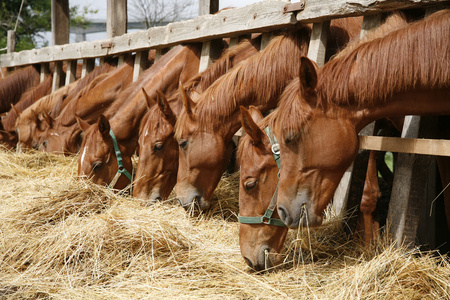
How Yucca Extract Supports the Digestive Tract of a Horse in Modern Feed Formulations
Horse gut health is no longer considered a niche topic. Performance, behavior, immunity, and feed efficiency are all closely linked to the condition of the digestive tract of a horse. As people seek more functional and natural feed additives, yucca extract has gradually gained widespread attention.
For feed manufacturers and professional nutritionists, understanding how yucca extract functions within the digestive system is essential for building credible, high-performing formulations.
How Does Yucca Extract Support the Digestive Tract of a Horse?
Yucca schidigera contains bioactive compounds such as steroidal saponins and polyphenols. These compounds interact with the gastrointestinal environment in multiple ways. Saponins can bind undesirable metabolites, support microbial balance, and help create a more stable digestive ecosystem.
Reducing Ammonia with Yucca Extract
Ammonia is a natural by-product of protein degradation in the digestive tract, but excessive ammonia levels can negatively affect gut comfort and microbial balance.
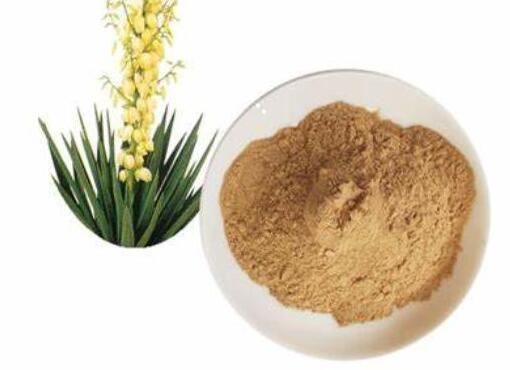
One of the most well-known benefits of yucca is its ability to bind ammonia. In Horse nutrition, excess nitrogen that isn’t absorbed in the small intestine passes into the cecum and colon, where microbial urease converts it into ammonia. High systemic ammonia levels can be toxic to mucosal tissues and burdensome to the liver. Yucca Schidigera Saponins and glyco-components neutralize ammonia both internally and in the resulting manure.
Therefore, yucca extract can not only promote the intestinal health of horses, but also improve the air quality of the stable environment.
Yucca Extract Support for Hindgut Fermentation
The horse is a hindgut fermenter, relying on a massive microbial population in the cecum and large colon to break down structural carbohydrates. Grain overload easily disrupts this delicate ecosystem and leads to an overproduction of lactic acid.
Yucca extract helps stabilize this fermentation environment. It reduces the risk of subclinical hindgut acidosis by inhibiting the growth of certain Gram-positive lactic acid bacteria and promoting a more stable anaerobic environment. Subclinical hindgut acidosis can cause decreased performance, weight loss, and laminitis in sport horses.
Does Yucca Extract Improve Nutrient Absorption in Feed?
For feed manufacturers, “nutrient absorption rate” is an essential indicator to consider. Nutrient absorption depends heavily on the integrity of the gut lining and the efficiency of microbial fermentation. When the digestive tract of a horse is under stress, inflamed, or imbalanced, nutrient uptake often becomes less efficient. By supporting microbial balance, reducing ammonia load, and promoting gut comfort, yucca extract helps the horse digest and absorb nutrients more efficiently.
How Can Yucca Extract Contribute to Better Gut Comfort in Horses?
Gut discomfort often manifests as “girthiness” or poor coat quality. Yucca polyphenols have mild anti-inflammatory and soothing properties. By helping to stabilize fermentation and reduce irritating metabolites, it may contribute to a calmer, more comfortable digestive process.
What Are the Recommended Inclusion Levels of Yucca Saponins in Feed?
Inclusion levels of yucca extract depend on several factors, including saponin content, form, formulation objectives, and horse age. Below is a general formulation recommendation.
- For a standard Yucca schidigera powder with a 10% to 12% saponin content, industry standards typically suggest:
- Maintenance Diets: 60–120 ppm in the final ration.
- High Performance/Stress Diets: 150–250 ppm to account for increased metabolic turnover.
- Concentrated Premixes: Inclusion must be calculated based on the final daily intake to ensure the horse receives approximately 500 mg to 1 gram of pure yucca extract per day.
You must calibrate these levels to ensure a healthy gut for horses without over-supplementing
Can Yucca Extract Be Effectively Used in Pelleted and Mash Feeds?
Yucca extract exhibits thermal stability. The steroidal saponins in yucca can withstand the high temperature and pressure during granulation and extrusion processes. Yucca extract performs well across a wide range of feed formats, including mash feeds, premixes, concentrates, and complete pelleted feeds.
How Should Feed Manufacturers Evaluate Yucca Saponins Quality?
When sourcing yucca extract for your feed formulation, quality assessment is crucial. Factors such as the source of the yucca raw materials, extract content, processing methods, and production capacity all need to be considered.
First, yucca extract content is essential. Reliable suppliers provide clear specifications and batch-to-batch consistency supported by analytical testing. Second, the origin and processing method of the yucca raw material matter. Gentle drying and controlled extraction help preserve the functional integrity of saponins and polyphenols. Third, you should assess supplier quality systems, including traceability, contaminant control, and documentation.
Green Agri is a professional botanical feed ingredients manufacturer, supplying bulk yucca extract in various sizes, with 1000KG stock available. We can provide documents such as COA, specification sheets, SDS, and flow charts. Green Agri is the ideal choice for feed producers and raw material wholesalers. Ready to choose a reliable yucca extract supplier for your feed formulation? Contact us today!
Also See
Yucca Powder vs. Yucca Extract
The Power of Yucca in Pet Food
Yucca Extract for Dogs: The Secret to Controlling Dog Poop Odor
Why Yucca Schidigera Extract Contain in Canned & Wet Pet Food: Bulk Pet Food Ingredients
Reference
https://www.researchgate.net/publication/282719231_Effect_of_yucca_Yucca_schidigera_on_ammonia_levels_from_equine_excreta_in_the_stable
https://www.mdpi.com/2077-0472/12/8/1198?
https://academic.oup.com/tas/article/7/1/txad071/7212255