How to Choose the Right Botanical Ruminant Feed Additives?
Botanical ruminant feed additives are gaining attention across the livestock industry. Feed manufacturers and farmers now look for natural solutions that support performance and sustainability. Plant-based ingredients offer promising results when used correctly. However, not all botanical products deliver the same value. Choosing the right option requires a clear understanding of functionality, quality, and application.
This guide explains how to evaluate botanical feed additives for ruminants. It will help you make smarter decisions.
What Are Botanical Ruminant Feed Additives? Key Functional Benefits
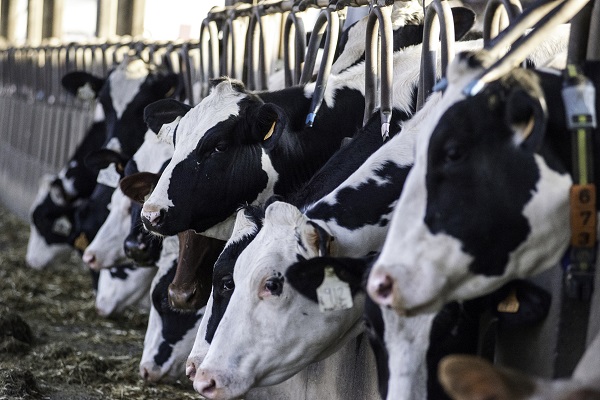
Botanical ruminant feed additives are plant-derived ingredients used in animal feed to enhance health and productivity. These additives can be whole herbs, herbal powders, or plant extracts. They work by providing functional nutrients or natural compounds that support various physiological processes in ruminants, such as cows, sheep, and goats.
Common Types of Botanical Feed Additives
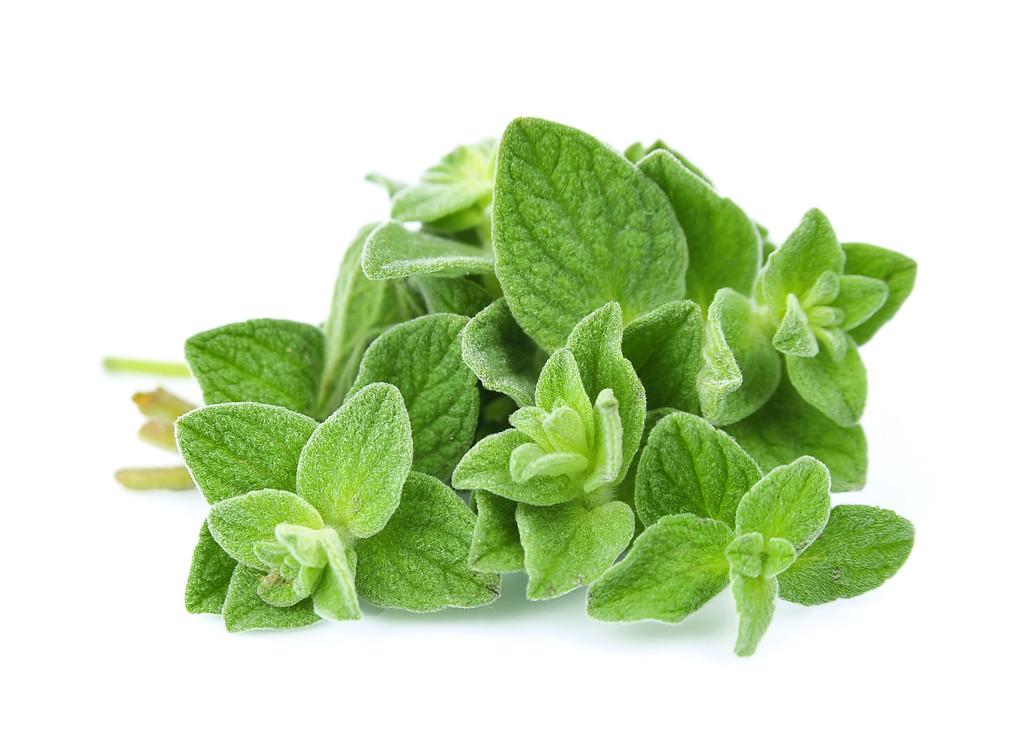
Common botanical ingredients include oregano, thyme, garlic, yucca, and green tea extracts. These plants contain bioactive compounds such as polyphenols, flavonoids, and saponins. Each compound offers specific functional benefits.
Key Benefits of Botanical Additives
Many botanical feed additives promote digestive health. Herbs such as peppermint, fennel, and ginger have natural carminative properties that help reduce bloating and flatulence. They can also improve the nutrient utilization of feed in ruminants.
1. Boosted Immune Function
Plants such as echinacea, garlic, and turmeric are believed to boost immunity. These plants are rich in antioxidants, vitamins, and phytochemicals, which help strengthen the immune system and improve the herd’s resistance to disease and infection.
2. Antioxidant and Anti-inflammatory Effects
Botanical additives also possess antioxidant and anti-inflammatory properties. For example, ingredients such as rosemary and oregano contain compounds that help reduce oxidative stress and inflammation in the body, which can make ruminants healthier.
3. Increased Milk Yield and Quality
Some botanical additives are particularly beneficial for dairy cows. Certain herbs can help increase milk yield, improve milk quality, and even affect fat content, making them an excellent choice for dairy farmers looking to improve profitability.
4. Improving Animal Performance
Some plant-based feed additives can also help increase feed intake, promote growth rate, and improve overall animal performance. For example, herbs such as Ashwagandha and ginseng are often used to enhance vitality and reduce stress, ultimately promoting growth and increasing milk production.
Differences Between Raw Botanical Powder and Standardized Plant Extracts
Selecting between raw botanical powders and standardized plant extracts plays a critical role in feed formulation. Each form offers unique advantages, but they differ in consistency, potency, and application. Understanding these differences is key to your bottom line.
What Is Raw Botanical Powder?
Raw botanical powder is made from dried and ground plant parts, such as leaves, roots, seeds, or bark. They undergo minimal processing, thus retaining the plant’s natural fibers, nutrients, and secondary metabolites.
This form of raw material is generally more affordable and readily available. However, the concentration of active ingredients may vary between batches. Growing conditions, harvest time, and storage methods all affect its quality and efficacy.
What Are Standardized Plant Extracts?
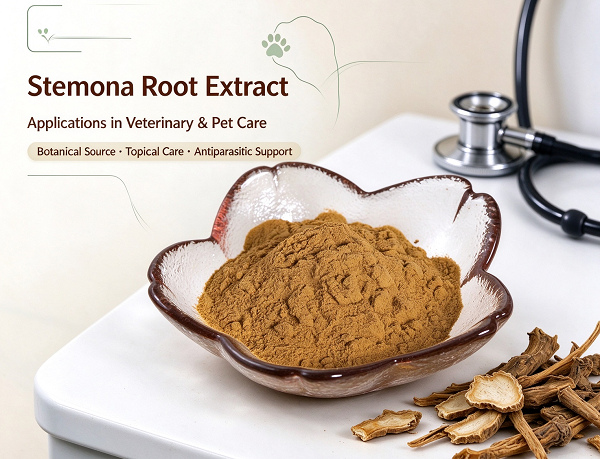
Standardized plant extracts are specific bioactive compounds. Botanical feed ingredients manufacturer Green Agri uses extraction technologies to isolate key functional components such as polyphenols, flavonoids, or saponins.
These extracts are designed for consistency. A standardized extract typically guarantees a defined level of active ingredients, which supports predictable performance in feed formulations.
1. Key Differences in Potency and Consistency
Standardized extracts usually offer higher potency than raw powders. Because active compounds are concentrated, lower inclusion rates are often sufficient to achieve desired effects.
Raw powders may require higher inclusion levels to deliver similar benefits. In addition, variability in raw material quality can also affect animal response and feed performance.
2. Impact on Feed Processing and Stability
Raw botanical powders may be suitable for cost-sensitive formulations or conventional feed systems. However, processing conditions, such as high temperature and high pressure, can reduce the effectiveness of plant components. Powdered ingredients are more sensitive to these factors.
Standardized extracts are generally the preferred choice in commercial feed production. They are easier to mix with premixes and facilitate accurate metering. Their consistency also helps reduce formulation risk and improve batch-to-batch reliability. Additionally, standardized extracts often employ stabilization or encapsulation technologies. These technologies protect sensitive components and extend shelf life.
3. Choosing the Right Option for Your Application
Whether to use raw botanical powders or extracts depends on your cost control and formulation goals.
Raw botanical powders may suit cost-sensitive or traditional formulations. They can also provide a broader range of natural nutrients.
Standardized extracts are ideal for precision nutrition. They offer better control, stronger efficacy, and more predictable outcomes.
Important Factors to Consider When Selecting Botanical Feed Additives
1. The Specific Needs of Your Animals
Before choosing botanical feed additives, it’s essential to understand the specific needs of your herd. Different ruminants have different dietary requirements based on their age, breed, health status, and production goals (e.g., dairy vs. meat production).
- Dairy Cows: Focus on herbs that promote milk production and quality, such as fenugreek and alfalfa.
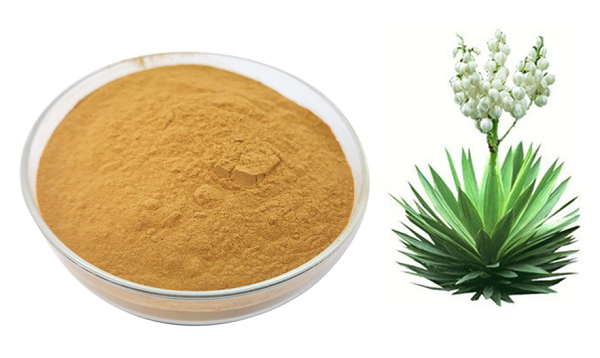
- Beef Cattle: Look for botanicals that improve feed conversion rates and overall weight gain, such as chicory and yucca.
2. Quality and Sourcing
When choosing botanical feed additives, always consider the quality and sourcing of the ingredients. Ideally, look for additives that are grown sustainably and free from pesticides, herbicides, and other harmful chemicals. Look for certifications like organic or GMP (Good Manufacturing Practices) to ensure the additives meet high-quality standards.
3. Regulatory Compliance
Ensure that the botanical additives you choose comply with the regulatory standards for animal feed in your country. In the U.S., the FDA and AAFCO set guidelines for the use of botanical ingredients in animal feed. Always check the label for compliance with these standards to avoid legal issues and ensure your feed is safe for use.
4. Active Ingredient Content
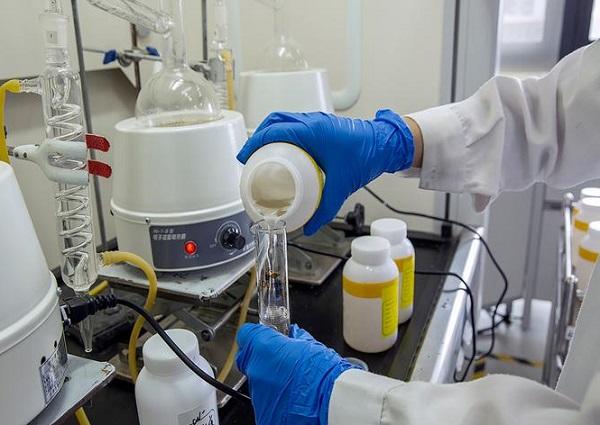
If your formulation requires additives in the form of extracts, be sure to confirm the content of the purchased extracts, the testing methods, and the production flow chart, etc. Reliable suppliers will provide clear specifications for key ingredients.
Consider using flavored or encapsulated botanical extracts to enhance palatability, or opt for herbs that are naturally more accepted by animals, such as alfalfa or chamomile.
5. Cost-Effectiveness
While botanical additives offer a wealth of benefits, they can be costly, especially standardized extracts. It’s important to balance the price with the potential benefits to your herd. Conduct a cost-benefit analysis to determine whether the additive justifies its price based on the health and performance improvements you expect.
6. Supplier Reliability and Traceability
Choose suppliers with strong quality systems. Reliable supplies will offer documents such as COA, SDS, and specification sheets. Traceability of raw materials is also important. These factors ensure a stable supply and product quality.
Green Agri is a botanical feed ingredients manufacturer. We supply a wide variety of bulk plant powders/extracts, including yucca, oregano, alfalfa, chicory, garlic, and over 100 other varieties. We are committed to providing high-quality feed additives to feed manufacturers and farms worldwide. Green Agri supports sample submissions and provides documents such as COA, specification sheets, SDS, and flowcharts.
Looking for the right botanical ruminant feed additives? Contact us today!
Reference
Windisch, W., Schedle, K., Plitzner, C., & Kroismayr, A. (2008). Use of phytogenic products as feed additives for swine and poultry. Journal of Animal Science, 86(14_suppl), E140–E148.
Greathead, H. (2003). Plants and plant extracts for improving animal productivity. Proceedings of the Nutrition Society, 62(2), 279–290.
Patra, A. K., & Saxena, J. (2009).The effect and mode of action of saponins on microbial populations and fermentation in the rumen. Nutrition Research Reviews, 22(2), 204–219.
Yang, W. Z., Benchaar, C., Ametaj, B. N., Chaves, A. V., He, M. L., & McAllister, T. A. (2007). Effects of garlic and juniper berry essential oils on ruminal fermentation and on the site and extent of digestion in lactating cows. Journal of Dairy Science, 90(12), 5671–5681.
Franz, C., Baser, K. H. C., & Windisch, W. (2010). Essential oils and aromatic plants in animal feeding – a European perspective. Flavour and Fragrance Journal, 25(5), 327–340.
Wallace, R. J., McEwan, N. R., McIntosh, F. M., Teferedegne, B., & Newbold, C. J. (2002). Natural products as manipulators of rumen fermentation. Asian-Australasian Journal of Animal Sciences, 15(10), 1458–1468.