
How Ascophyllum Nodosum Extract Supports Plant Growth and Crop Quality in Agriculture
Ascophyllum nodosum extract is a popular seaweed-based ingredient in modern agriculture. It is widely used in plant biostimulants, liquid fertilizers, and water-soluble fertilizer products. Its natural compounds can support plant growth, nutrient use, and crop quality.
So, how does Ascophyllum nodosum extract work? And what benefits can it offer to various crops? This article explores its primary functions and its applications in agriculture.
What Makes Ascophyllum Nodosum Extract Valuable for Plant Growth?
Ascophyllum nodosum thrives in intertidal zones where tides, waves, temperature swings, and salinity shift daily. To survive those conditions, the seaweed builds a rich mix of bioactive compounds, including polysaccharides (such as alginates and fucoidans), betaines, amino acids, organic acids, and trace minerals.
Through appropriate extraction techniques, such as enzymatic modification, it is possible to enrich these bioactive compounds, including alginic acid, oligosaccharides, and polyphenols. For information regarding extraction methods for Ascophyllum nodosum extract, please read: How Is Ascophyllum Nodosum Extract Made? From Seaweed to Agricultural Products
- Polysaccharides: Including alginates and other complex carbohydrates that may influence plant and soil interactions.
- Mannitol: A natural sugar alcohol involved in water balance and stress responses.
- Polyphenols: Compounds with antioxidant properties.
- Minerals: Natural potassium, magnesium, calcium, and trace elements.
- Other bioactive compounds: These may influence plant signaling and physiological processes.
How Does Ascophyllum Nodosum Extract Promote Root and Shoot Development?
Strong roots and healthy shoots are important for crop establishment and productivity. Ascophyllum nodosum extract may support the development of both plant systems.
For root growth, seaweed extract can influence root elongation and lateral root formation. A larger root system gives plants more opportunities to access water and nutrients in the soil.
It may also influence plant growth signals related to root development. Some studies have reported changes in pathways associated with auxins and other plant hormones after seaweed extract treatment.
For above-ground growth, the extract may support:
- Leaf expansion and healthy foliage.
- Stem development and plant vigor.
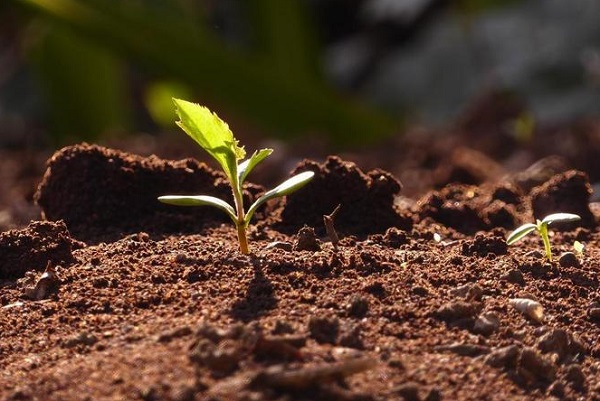
- Early seedling establishment.
- Balanced root and shoot growth.
How Does Seaweed Extract Improve Nutrient Uptake and Nutrient Use Efficiency?
Plants need nitrogen, phosphorus, potassium, and micronutrients for normal growth. However, the presence of nutrients in soil does not always mean plants can absorb them efficiently.
Ascophyllum nodosum extract may support nutrient use efficiency by influencing root development and plant nutrient metabolism.
A stronger root system can explore more soil and access available nutrients. Some seaweed extracts may also influence the root-zone environment and interactions with beneficial soil microorganisms.
Can Ascophyllum Nodosum Extract Improve Photosynthesis and Chlorophyll Content?
Photosynthesis allows plants to convert sunlight into chemical energy. Chlorophyll plays a central role in this process. Ascophyllum nodosum extract may support photosynthetic activity by influencing chlorophyll levels, leaf development, and plant responses to environmental stress.
Research on Thompson Seedless grapes published in 2024 reported improvements in chlorophyll content index and leaf area following foliar application of A. nodosum extract.
Other studies have also linked seaweed extract treatments with improved leaf gas exchange and photosynthetic performance.
How Does Ascophyllum Nodosum Extract Support Flowering, Fruit Setting, and Yield?
Flowering and fruit setting are important stages in crop production. Poor flower development or fruit retention can reduce final yield. Ascophyllum nodosum extract may support reproductive development through its effects on plant metabolism and physiological regulation.
A 2024 field study on Thompson Seedless grapes evaluated different application rates and timings. The treatment using 0.75 kg/ha recorded favorable results for bunch weight, berry size, yield, and total soluble solids.
How Does Ascophyllum Nodosum Extract Improve Crop Quality?
Crop quality affects market value, storage, transportation, and consumer acceptance. Seaweed extract may influence several quality traits, especially in fruit crops.
| Crop Quality Indicator | Potential Agricultural Value |
|---|---|
| Fruit Size | Supports berry and fruit development |
| Skin Color | May influence anthocyanin accumulation |
| Firmness | Important for handling and transportation |
| Soluble Solids (Brix) | Helps evaluate sugar-related quality |
| Phenolic Content | Related to fruit composition |
| Postharvest Quality | May support fruit quality after harvest |
For example, research on grapes has reported changes in anthocyanins and phenolic compounds after A. nodosum treatment. Studies on apples have also reported improvements in skin coloration under certain application conditions.
How Does Ascophyllum Nodosum Extract Help Crops Tolerate Environmental Stress?
Drought, heat, salinity, and temperature changes can limit crop growth. These conditions may damage plant cells, reduce photosynthesis, and affect nutrient absorption.
Ascophyllum nodosum extract may help plants respond to these challenges through several physiological pathways.
- Drought Stress: Certain seaweed extract treatments may help plants maintain water balance and support normal physiological activity during limited water supply.
- Heat Stress: Antioxidant-related responses may help protect plant cells from oxidative damage caused by high temperatures.
- Salt Stress: Some studies suggest that seaweed extracts can influence ion balance and plant defense responses under saline conditions.
- Oxidative Stress: Natural bioactive compounds may support antioxidant systems that help control harmful reactive oxygen species.
Which Crops Can Benefit from Ascophyllum Nodosum Extract Applications?
Ascophyllum nodosum extract has been studied in different agricultural and horticultural crops. Its potential applications include:
- Fruit Crops: Grapes, apples, citrus, avocados, and strawberries. Applications may target fruit development, color, and quality.
- Vegetable Crops: Tomatoes, peppers, cucumbers, and leafy vegetables. Applications may support root development, leaf growth, and nutrient use.
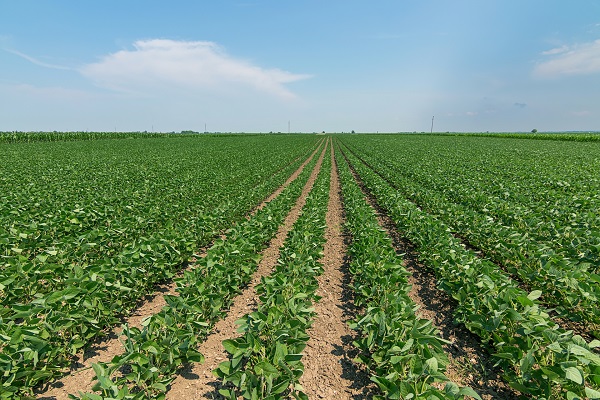
- Field Crops: Wheat, corn, soybean, and other field crops. Applications may support crop establishment and stress responses.
- Commercial Crops: Tea, coffee, and other specialty crops. Seaweed extracts may be used in integrated crop nutrition programs.
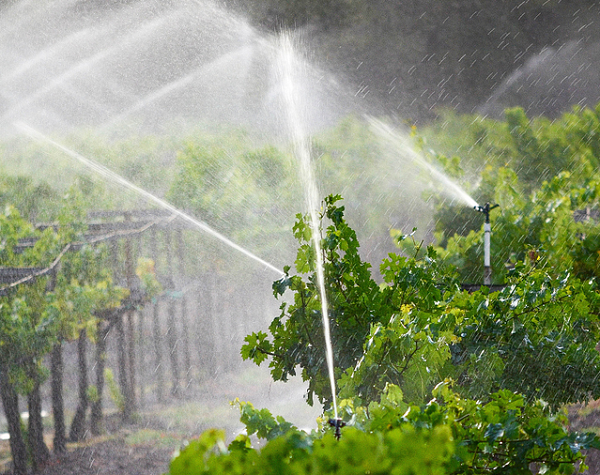
The best application program depends on crop species, growth stage, and local conditions. Foliar spray and soil application can both be considered when the product formulation allows them. For a comparison between foliar spraying and soil application, please read this article: Ascophyllum Nodosum Extract in Agriculture: Foliar Spray vs. Soil Application
Partner With Us for Reliable Ascophyllum Nodosum Extract Supply
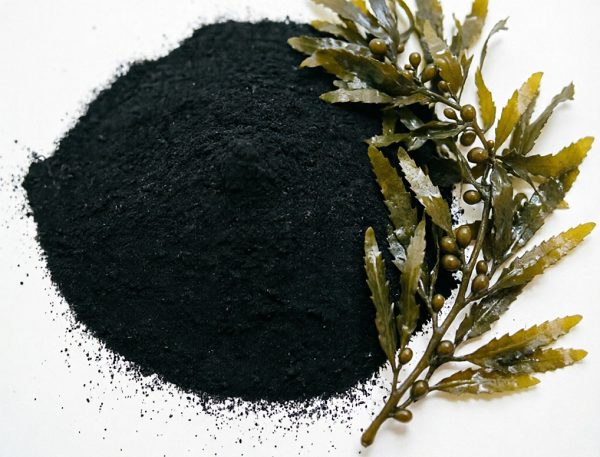
Looking to source consistent Ascophyllum nodosum extract powder for your fertilizer blends, biostimulant line, or regional distribution network?
Contact us today to request COA, technical specifications, formulation compatibility data, regulatory documentation, and trial samples tailored to your target crops and markets.
References
- Shukla, P. S., et al. (2019). Ascophyllum nodosum-Based Biostimulants: Sustainable Applications in Agriculture for the Stimulation of Plant Growth, Stress Tolerance, and Disease Management. Frontiers in Plant Science, 10, 655.
- Kumari, S., et al. (2023). Ascophyllum nodosum (L.) Le Jolis, a Pivotal Biostimulant toward Sustainable Agriculture: A Comprehensive Review. Agriculture, 13(6), 1179.
- Andreotti, C., Rouphael, Y., Colla, G., and Basile, B. (2022). Rate and Timing of Application of Biostimulant Substances to Enhance Fruit Tree Tolerance toward Environmental Stresses and Fruit Quality. Agronomy, 12(3), 603.
- Ramteke, S. D., Langote, A., Gavali, A. H., Khalate, S., Bhagwat, S. R., and Kalbhor, J. N. (2024). Efficacy of Ascophyllum Nodosum Seaweed Extracts on Growth, Yield and Quality Parameters in Thompson Seedless Grapes. Journal of Experimental Agriculture International, 46(10), 290–297.
- Frioni, T., et al. (2019). Effects of Ascophyllum nodosum Extract on Vitis vinifera: Consequences on Plant Physiology, Grape Quality and Secondary Metabolism. Plant Physiology and Biochemistry, 139, 21–32.
- Norrie, J., Branson, T., and Keathley, P. E. (2002). Marine Plant Extracts Impact on Grape Yield and Quality. Acta Horticulturae, 594, 315–319.