
Can Lentinan Replace Traditional Plant Protection Products?
Farmers and agricultural manufacturers are facing a new challenge. They need effective disease control while reducing chemical pressure, meeting stricter regulations, and supporting sustainable production.
That shift has increased interest in biological crop protection, natural plant defense activators, and plant immune elicitors. Among these solutions, Lentinan has become an increasingly discussed ingredient.
As a botanical pesticide material, Lentinan offers a different approach. Instead of directly killing pathogens, it helps plants strengthen their own defense responses.
But can it truly replace traditional plant protection products?
Let’s explore the answer.
What Is Lentinan and How Does It Work in Plant Protection
Lentinan is a natural polysaccharide extracted from mushroom sources. In agricultural applications, it works primarily as a plant resistance inducer rather than a conventional pesticide.
Unlike synthetic crop protection products that target pathogens directly, Lentinan helps activate internal defense pathways in plants.
This process may support:
- Stronger plant immune responses
- Improved resistance to environmental stress
- Reduced disease pressure
- Better crop resilience during growth cycles
At Green Agri, we manufacture botanical pesticide materials with 20 years of experience, offering lentinan:
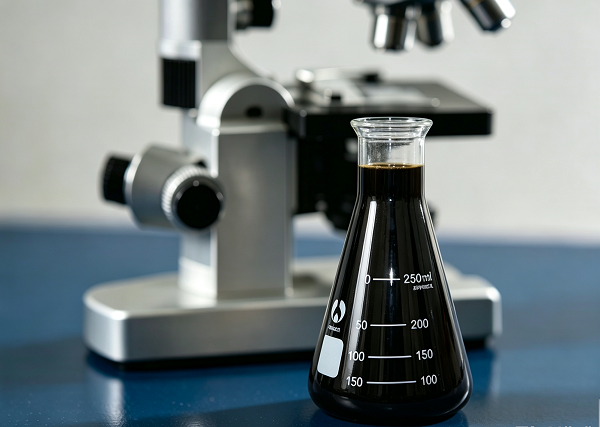
- Brown liquid (2%–10%)
- Brown-yellow powder (≥40%)
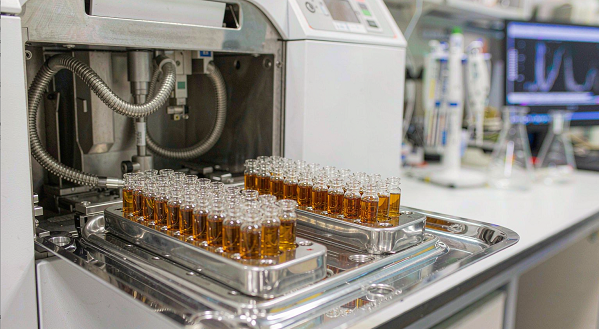
- Test Method: Phenol–Sulfuric Acid Method
These formats provide flexibility for different formulation needs.
Why Growers Are Looking Beyond Conventional Crop Protection Products
Growers today face more than disease control.
They must also manage:
- Regulatory pressure on chemical use
- Resistance development in pathogens
- Consumer demand for sustainable farming
- Export market compliance
Traditional protection products still play a major role. However, repeated use may reduce long-term effectiveness in some production systems.
As a result, agricultural companies increasingly explore biological disease management solutions and natural crop protection ingredients.
Lentinan fits into this trend because it supports preventive crop health strategies rather than reactive intervention.
Can Lentinan Deliver Comparable Disease Control Performance
This question appears frequently among procurement teams and pesticide formulators.
The short answer is: it depends on the target, timing, and application strategy.
In our case study on integrated pest management, we explored how Lentinan performs when combined with broader disease prevention strategies and field management practices.
Lentinan performs differently from conventional fungicides or bactericides.
Its performance often depends on:
- Crop type
- Disease pressure
- Application timing
- Combination with other agronomic practices
Under preventive management programs, resistance activators may contribute to stable crop performance.
However, under severe infection conditions, direct-control products may still remain necessary.
Therefore, replacement should be viewed carefully.
The Difference Between Lentinan and Traditional Chemical Plant Protection Products
Understanding the differences helps manufacturers choose the right strategy.
| Factor | Lentinan | Traditional Products |
|---|---|---|
| Mode of action | Activates plant defense | Direct pathogen suppression |
| Residue concerns | Typically lower | Depends on active ingredient |
| Resistance risk | Lower pressure | Potential resistance buildup |
| Application role | Preventive | Preventive + curative |
This comparison shows that these solutions often complement rather than replace each other.
How Lentinan Activates Natural Plant Defense Mechanisms
Plants naturally contain defense systems.
Certain biological compounds can trigger these responses.
Lentinan may support signaling pathways associated with:
- Defense enzyme activation
- Strengthened cellular response
- Enhanced stress adaptation
You can think of it as helping the plant become more prepared before disease pressure increases.
This mechanism makes biological elicitors attractive for integrated crop management.
Current Applications of Lentinan in Crop Disease Management
Interest in Lentinan continues to expand across agriculture.
Current development directions include:
- Fruit and vegetable production
- Greenhouse cultivation
- Seed treatment programs
- Sustainable crop nutrition systems
Formulators often evaluate Lentinan when creating:
- Botanical pesticide products
- Bio-based agricultural inputs
- Reduced-residue crop protection programs
As market demand changes, suppliers increasingly seek flexible raw material formats and reliable manufacturing support.
If you are evaluating suppliers or developing biological agricultural inputs, our guide on selecting high-quality Lentinan explains the key factors to review before procurement.

Advantages of Using Lentinan in Sustainable Agriculture
There are several reasons why companies evaluate this ingredient.
Key advantages include:
- Supports integrated disease management
- Aligns with sustainable agriculture goals
- Fits biological product development trends
- May reduce dependence on repeated chemical use
- Offers formulation flexibility
For manufacturers and distributors, these advantages may create opportunities in premium agricultural markets.
Limitations of Lentinan as a Standalone Plant Protection Solution
Although promising, Lentinan is not a universal replacement.
Several limitations should be considered:
- Results vary across crops
- Severe outbreaks may require direct intervention
- Performance depends on management practices
- Field validation remains important
This is why many professional programs avoid relying on a single solution.
Balanced strategies usually achieve stronger long-term outcomes.
Integrated Strategies: Combining Lentinan with Conventional Protection Programs
The future of crop protection will likely combine multiple technologies.
Integrated programs may include:
- Biological resistance activators
- Conventional disease control tools
- Precision application practices
- Crop monitoring systems
Instead of asking whether Lentinan can completely replace traditional plant protection products, a better question may be:
How can Lentinan improve overall crop protection performance?
From our experience at Green Agri, the strongest results often come from combining innovation with practical field management.
Final Thoughts
Lentinan should not be viewed as a direct substitute for all traditional plant protection products.
Instead, it represents a valuable tool within modern and sustainable agriculture.
As growers seek lower-residue, more resilient production systems, biological materials are expected to play a larger role.
The companies that adopt integrated strategies early may gain long-term advantages.
Looking for a reliable Lentinan manufacturer for agricultural formulations?
Green Agri provides botanical pesticide materials backed by 20 years of manufacturing experience, flexible specifications, and formulation support.
Contact us get COA and sample.
References
- Walters D., Ratsep J., Havis N. Plant Defense Priming and Induced Resistance. Crop Protection.
- Walters D. Resistance to Plant Pathogens: Induced Resistance and Defense Priming.
- Agrios G. Plant Pathology, 5th Edition.
- Harman G. Overview of Mechanisms and Uses of Biological Disease Management.
- FAO. Sustainable Crop Production Intensification Guidelines.
- OECD Report on Sustainable Agricultural Innovation.