
Why Agricultural Companies Are Turning to Lentinan Solutions
Agriculture is changing fast. Growers now face stronger plant diseases, soil stress, and climate pressure. At the same time, buyers demand cleaner and safer food. Because of this shift, many agricultural companies are searching for natural plant immunity solutions. One of the new choice is Lentinan, a bioactive polysaccharide known for its ability to support plant defense systems.
For B2B buyers, including formulators, distributors, and crop protection brands, Lentinan is gaining attention as a botanical pesticide material and plant immunity enhancer.
This article explains why Lentinan is becoming an important tool in sustainable farming and how it supports modern agricultural systems.
Why Lentinan Matters in Agriculture
Lentinan is not a fertilizer. It is a bioactive compound. It helps plants activate their natural defense systems.
Farmers face problems like fungi, bacteria, and viral infections. Chemical pesticides can control these issues. However, they may also create resistance and environmental concerns.
Lentinan offers a different approach. It works by strengthening the plant from inside. It supports the plant immune response, especially through systemic acquired resistance (SAR) pathways. This makes crops more resilient over time.
Because of this function, Lentinan is now used in integrated pest management (IPM) programs in several regions.
The Growing Demand for Natural Plant Immunity Solutions
Global agriculture is moving toward “reduced chemical input” systems. Consumers also demand safer food.
This shift creates strong demand for natural plant immunity boosters. Search terms like “natural plant defense elicitor,” “biofungicide alternative,” and “organic crop protection solution” are increasing every year.
Lentinan fits this trend well. It is plant-based, biodegradable, and residue-free. Many growers now prefer solutions that do not leave harmful residues on crops.
Organic farming certification rules also support the use of natural elicitors. This makes Lentinan an attractive option for export-focused farms.
How Lentinan Enhances Crop Disease Resistance Mechanisms
Plants have a built-in immune system. But it often stays inactive until stress occurs.
Lentinan helps “switch on” this system earlier.
It stimulates defense enzymes such as:
- Peroxidase (POD)
- Polyphenol oxidase (PPO)
- Chitinase
These enzymes help plants fight pathogens faster. Lentinan also improves signaling pathways like jasmonic acid and salicylic acid pathways.
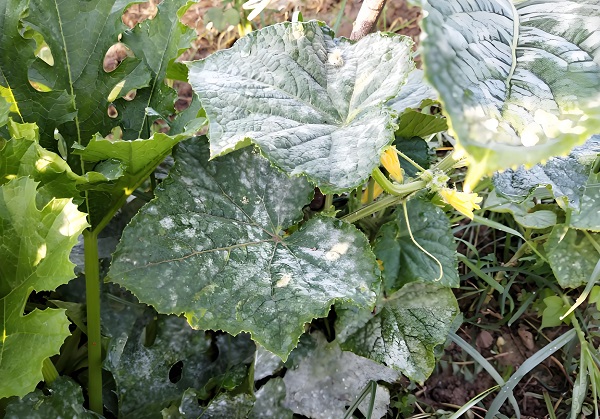
As a result, crops show stronger resistance against common diseases like powdery mildew, leaf blight, and root rot.
Field trials in horticulture crops have shown improved survival rates and reduced disease severity when Lentinan is applied preventively.
Lentinan vs Traditional Chemical Pesticides: Key Difference
Chemical pesticides kill pathogens directly. They act fast but may lead to resistance over time.
Lentinan works differently. It does not kill pathogens directly. Instead, it strengthens plant immunity.
Key differences include:
- Chemical pesticides: fast action, but resistance risk
- Lentinan: slower response, but long-term protection
- Chemicals: possible residue issues
- Lentinan: natural and residue-free
Many farmers now combine both methods. This reduces chemical dependency while maintaining crop protection efficiency
The Role of Lentinan in Sustainable and Organic Farming Systems
Organic farming systems rely heavily on biological solutions. Lentinan fits naturally into this structure as a plant-derived immune enhancer.
It supports:
- Organic vegetable production
- Residue-free fruit cultivation
- Eco-friendly greenhouse farming
Because it comes from natural fermentation and extraction processes, it aligns with organic certification trends. Many farmers use it alongside compost teas, seaweed extracts, and microbial biofertilizers.
Sustainability is not only about reducing chemicals. It is also about improving soil life and plant resilience. Lentinan supports both goals.
Application Methods of Lentinan in Modern Agricultural Practices
Lentinan can be applied in different ways depending on the crop system.
Common methods include:
- Foliar spray for fast absorption
- Root irrigation for systemic protection
- Seed treatment for early-stage defense activation
Most growers apply Lentinan during early growth stages or before disease pressure increases. Preventive use often delivers better results than curative use.
In greenhouse systems, foliar application is especially popular due to its fast response and ease of use.
Compatibility of Lentinan with Fertilizers and Biocontrol Agents
One major advantage of Lentinan is its compatibility.
It can often be mixed with:
- Organic fertilizers
- Amino acid solutions
- Seaweed extracts
- Beneficial microbes like Bacillus species
However, it should not be mixed with strong alkaline chemicals or highly oxidizing compounds.
Good compatibility allows farmers to integrate Lentinan into existing spray programs without major changes. This reduces labor cost and improves efficiency.
Environmental and Soil Health Benefits of Lentinan-Based Products
Modern agriculture is not only about yield. It is also about environmental responsibility.
Lentinan contributes to:
- Lower chemical runoff into water systems
- Reduced soil toxicity risk
- Improved microbial balance in soil
- Better long-term soil fertility
Because Lentinan is biodegradable, it does not accumulate in the environment. This makes it a safer choice for long-term agricultural use.
Many agricultural buyers now evaluate suppliers based on environmental performance. This is why botanical solutions like Lentinan are gaining market attention.
Conclusion
The move toward Lentinan is part of a bigger transformation in agriculture. Farmers are looking for safer, smarter, and more sustainable tools.
Lentinan offers a balanced solution. It does not replace all chemicals, but it reduces dependence on them. It also supports plant health from the inside.
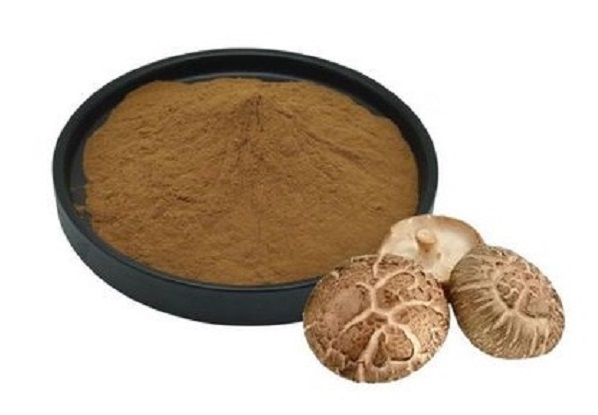
If you are looking for a reliable lentinan supplier , Green Agri offers lentinan liquid 2%–10% and lentinan powder (≥40%). We provide consistent product quality and technical documentation support. Contact us for samples and quotations!
References
- Zhang, Y. et al. (2020). “Bioactive polysaccharides from medicinal mushrooms and plant immunity.”
- Chen, L. et al. (2019). “Induced resistance mechanisms in plants by natural elicitors.”
- FAO Report (2021). “Sustainable Crop Protection and Reduced Chemical Dependency.”
- Wang, X. et al. (2022). “Role of β-glucans in plant defense signaling pathways.”
- European Journal of Plant Pathology (2018). “Systemic acquired resistance and agricultural applications.”
- Agricultural Biotechnology Review (2023). “Natural biostimulants in modern farming systems.”